
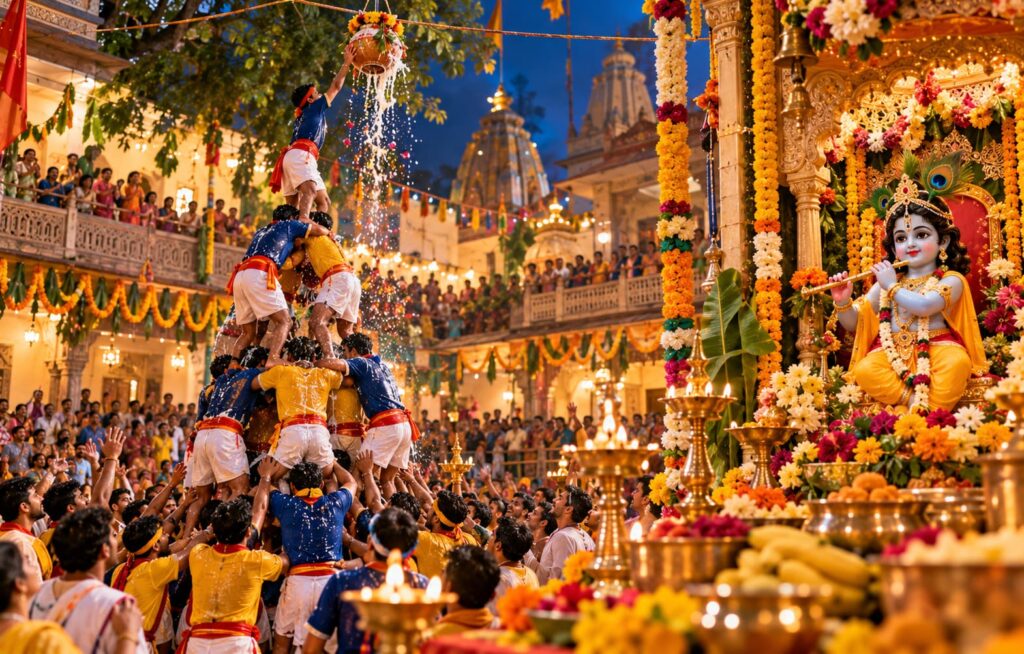
The festivals of India offer foreign travelers a memorable way to discover the country’s regional cultures, faiths, food and art. From the bright colors of Holi to the glowing lamps of Diwali, celebrations bring communities together in distinctive ways. Moreover, India’s festival calendar spans the year, so you can often find a celebration that fits your itinerary.
However, no single festival represents the whole country. Each region follows its own customs, calendar and local traditions. Therefore, the best festival for your trip depends on what you want to experience: lively street celebrations, religious ceremonies, harvest traditions, music, dance or seasonal food. This guide introduces some of the best-known festivals of India and explains when and where to experience them.
North India vs South India: The Quick Answer
A festival gives you a glimpse of everyday life as well as a special event. You might see families prepare traditional dishes, artisans decorate public spaces, musicians perform in the streets or worshippers gather at temples. In addition, festivals often reveal how local history and belief shape a region’s identity.
At the same time, celebrations vary from city to city. Diwali in Varanasi, for example, may feel different from Diwali in Jaipur or Amritsar. Likewise, Holi traditions differ across northern India. As a result, choosing a destination matters just as much as choosing a festival.
The best festivals in India by season
Festival dates often follow lunar or regional calendars, so they shift from year to year. Use the seasons below as a planning guide, then confirm exact dates with official tourism sources and local organisers before booking.
Winter and early spring: Pongal, Baisakhi and Holi
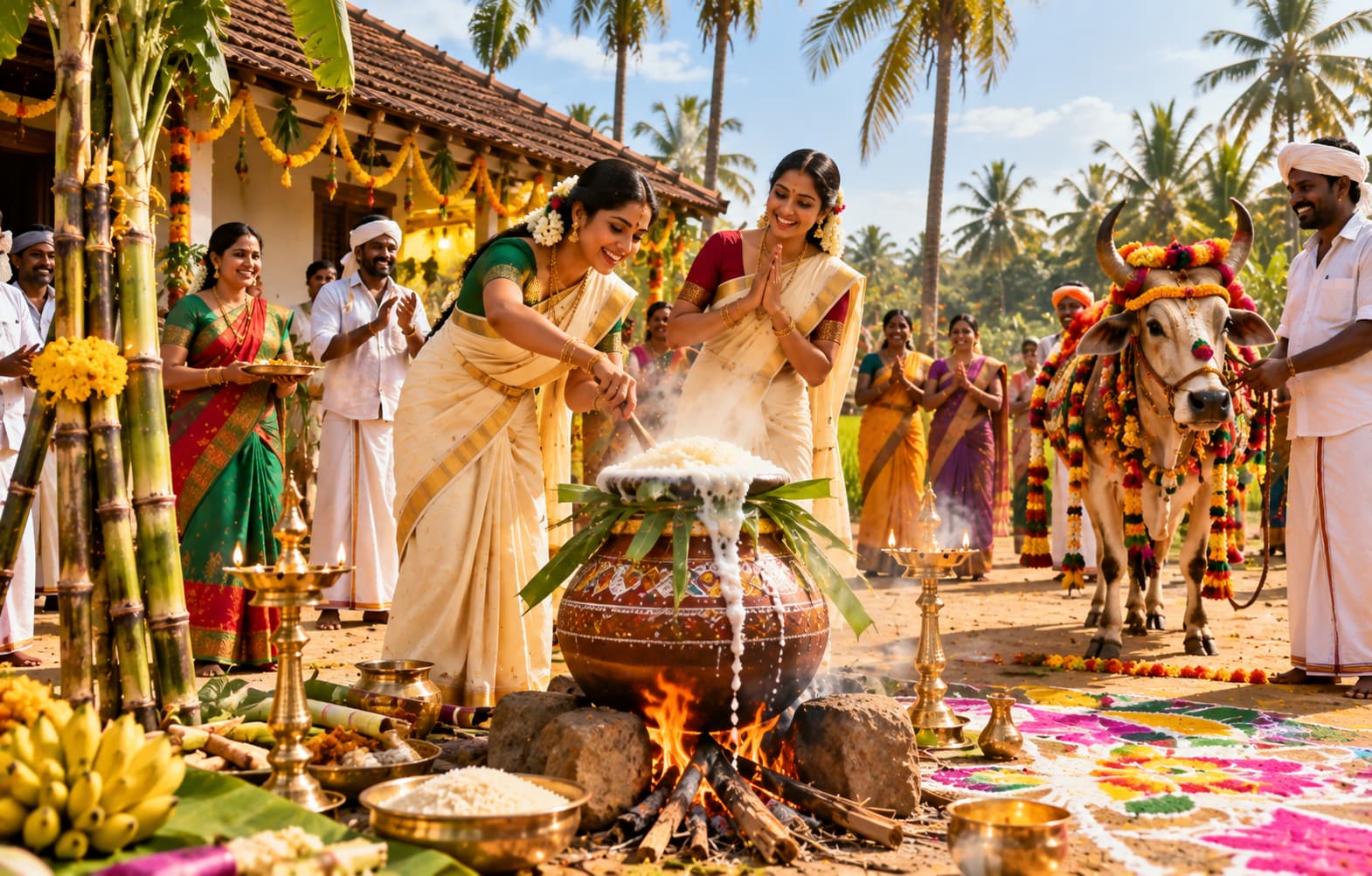
Pongal in Tamil Nadu (January): Pongal is a multi-day harvest festival that honors the Sun and celebrates the harvest. Families prepare a special rice dish, decorate entrances with kolam designs and share meals. For a cultural experience rooted in village and family traditions, visit Tamil Nadu around the mid-January celebrations. Since local customs differ, ask your host or guide what is appropriate to observe.
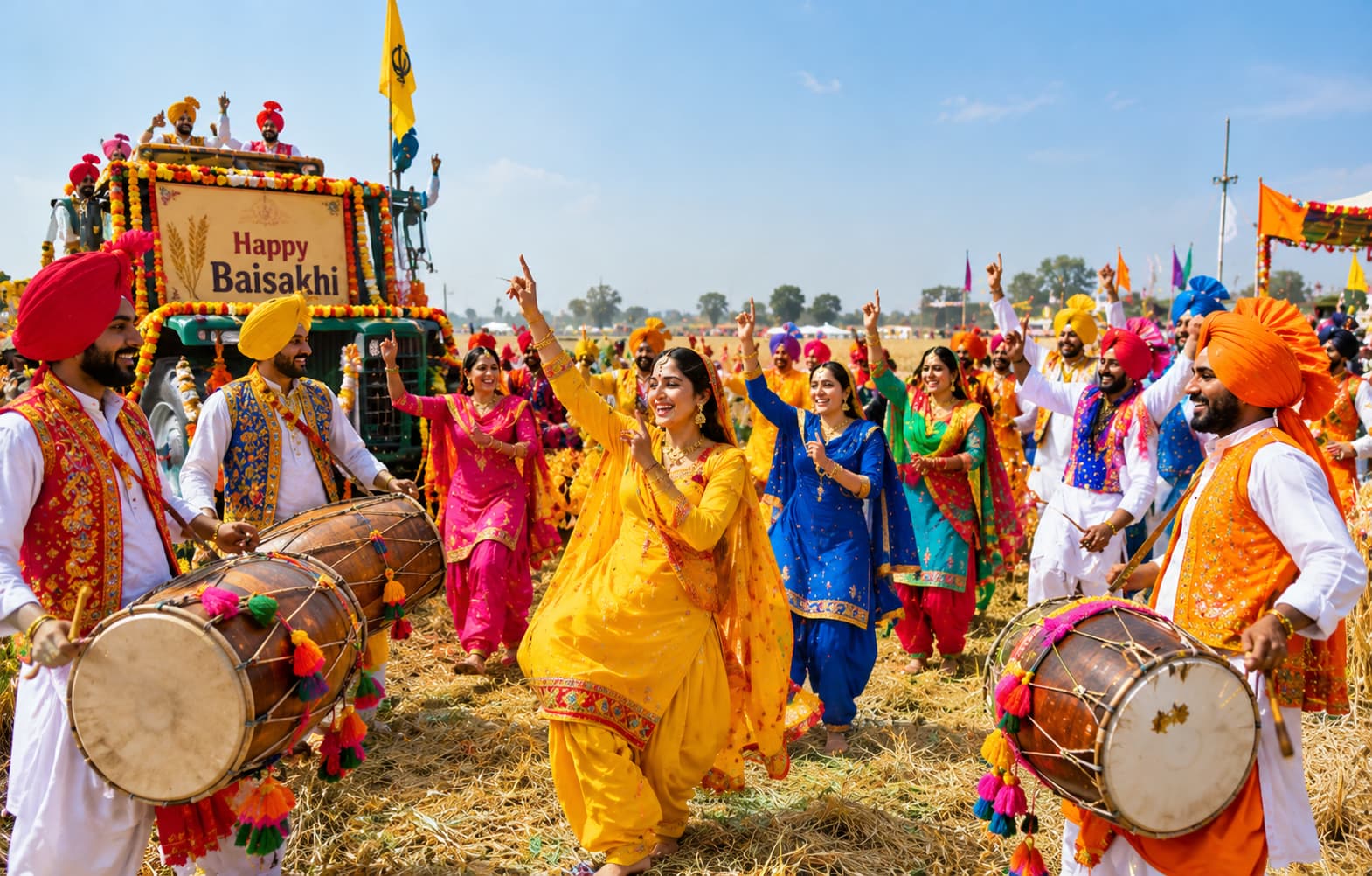
Baisakhi in Punjab (April): Baisakhi marks the spring harvest and holds great significance in Sikh history. Visitors can experience processions, music and community gatherings, particularly in Punjab. In addition, the Golden Temple in Amritsar offers a meaningful setting for learning about Sikh traditions; remember that it remains a place of worship, not simply a sightseeing stop.
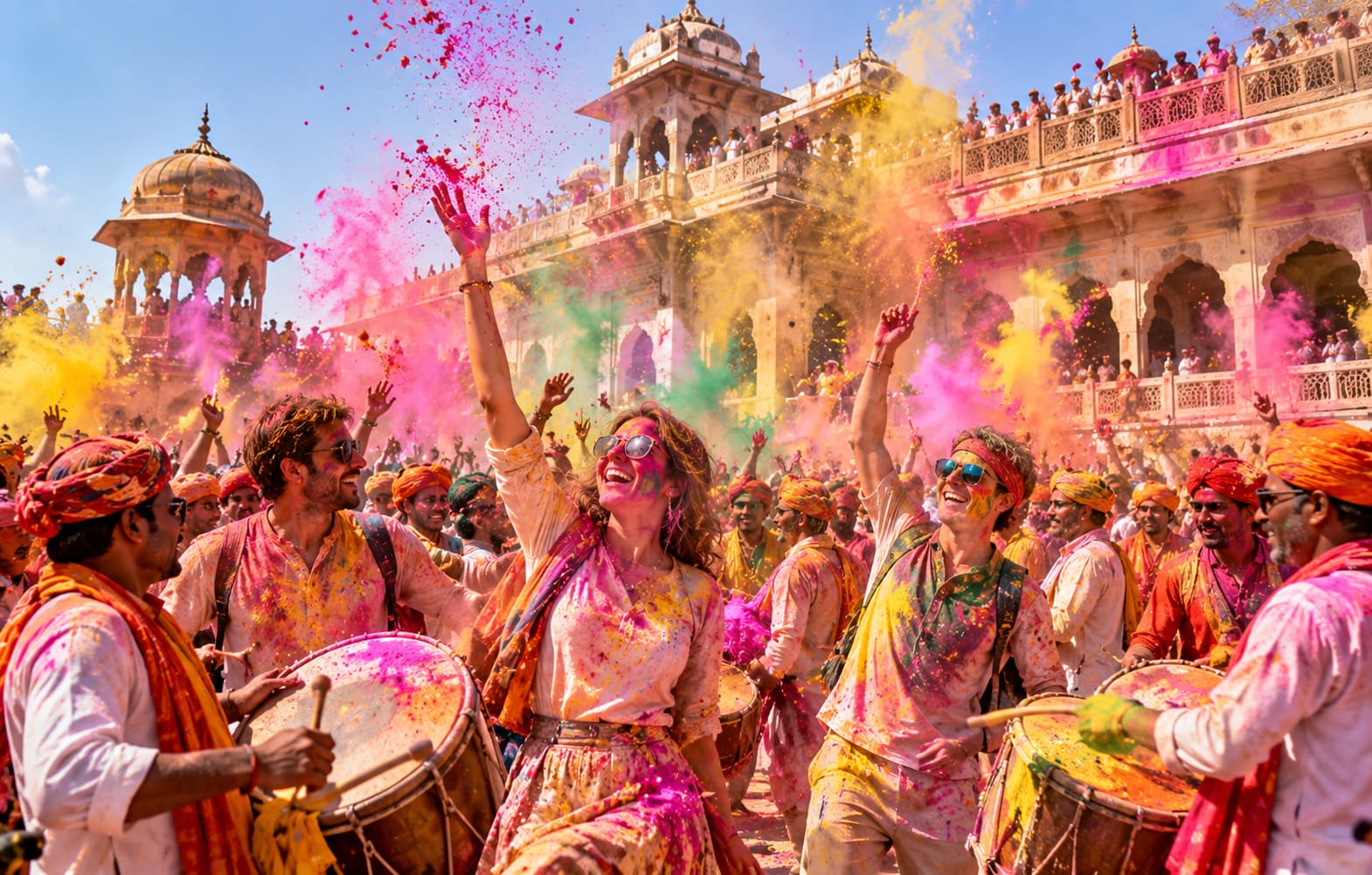
Holi across India (usually March): Holi welcomes spring with color, music and gatherings. The main celebration usually falls in March, although dates vary. Mathura and Vrindavan in Uttar Pradesh are strongly associated with Krishna traditions, while cities such as Jaipur and Delhi offer their own public events. If you want to join in, choose a well-organized event, wear clothes you can stain and use only colors that participants offer or approve. Always ask before applying color or taking someone’s photograph.
Monsoon and late summer: Onam and Ganesh Chaturthi
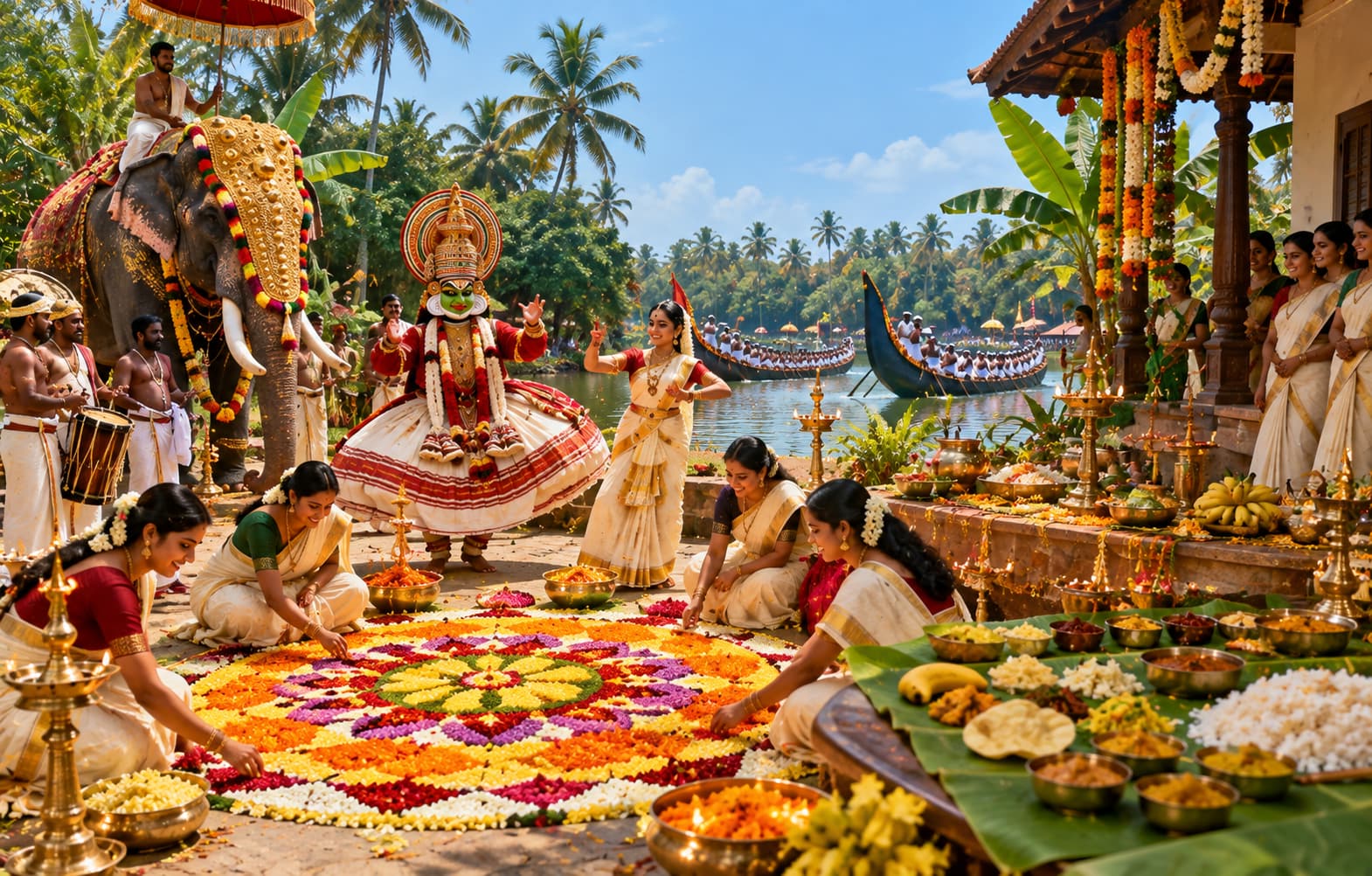
Onam in Kerala (August or September): Onam celebrates Kerala’s harvest season and cultural heritage. Across the state, you may see flower arrangements called pookalam, traditional feasts known as Onam sadya, music and dance. Some locations also host boat races and public performances. Because programes vary by district, check local schedules and reserve accommodation early for popular events.
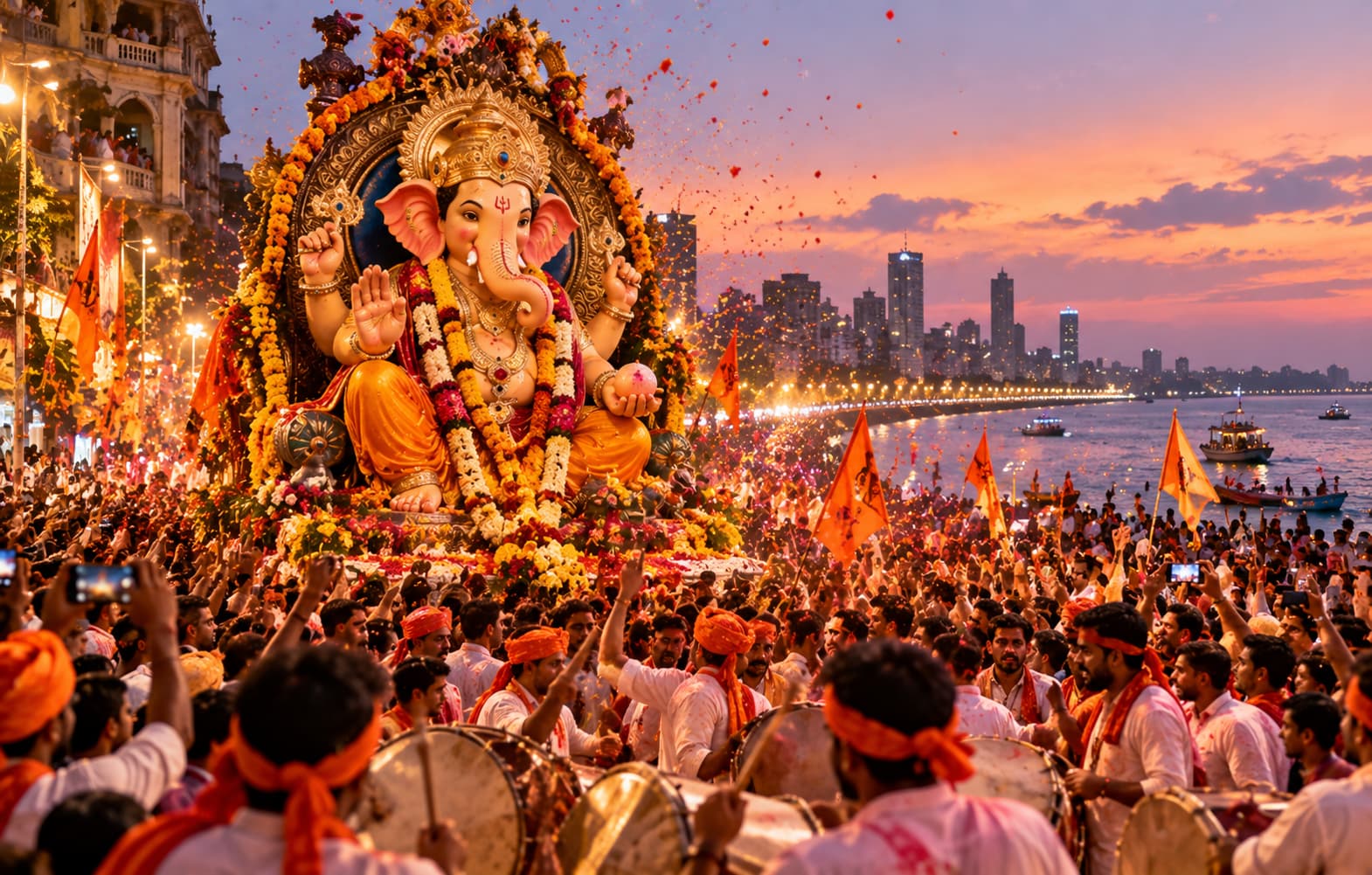
Ganesh Chaturthi in Maharashtra (August or September): This festival honors Lord Ganesha. In Mumbai and other parts of Maharashtra, public pandals display decorated idols, while devotional music and community events fill neighbourhoods. The celebrations conclude with processions and immersion rituals. These can draw large crowds, so plan transport ahead and follow instructions from event staff and local authorities.
Autumn: Durga Puja and Dussehra
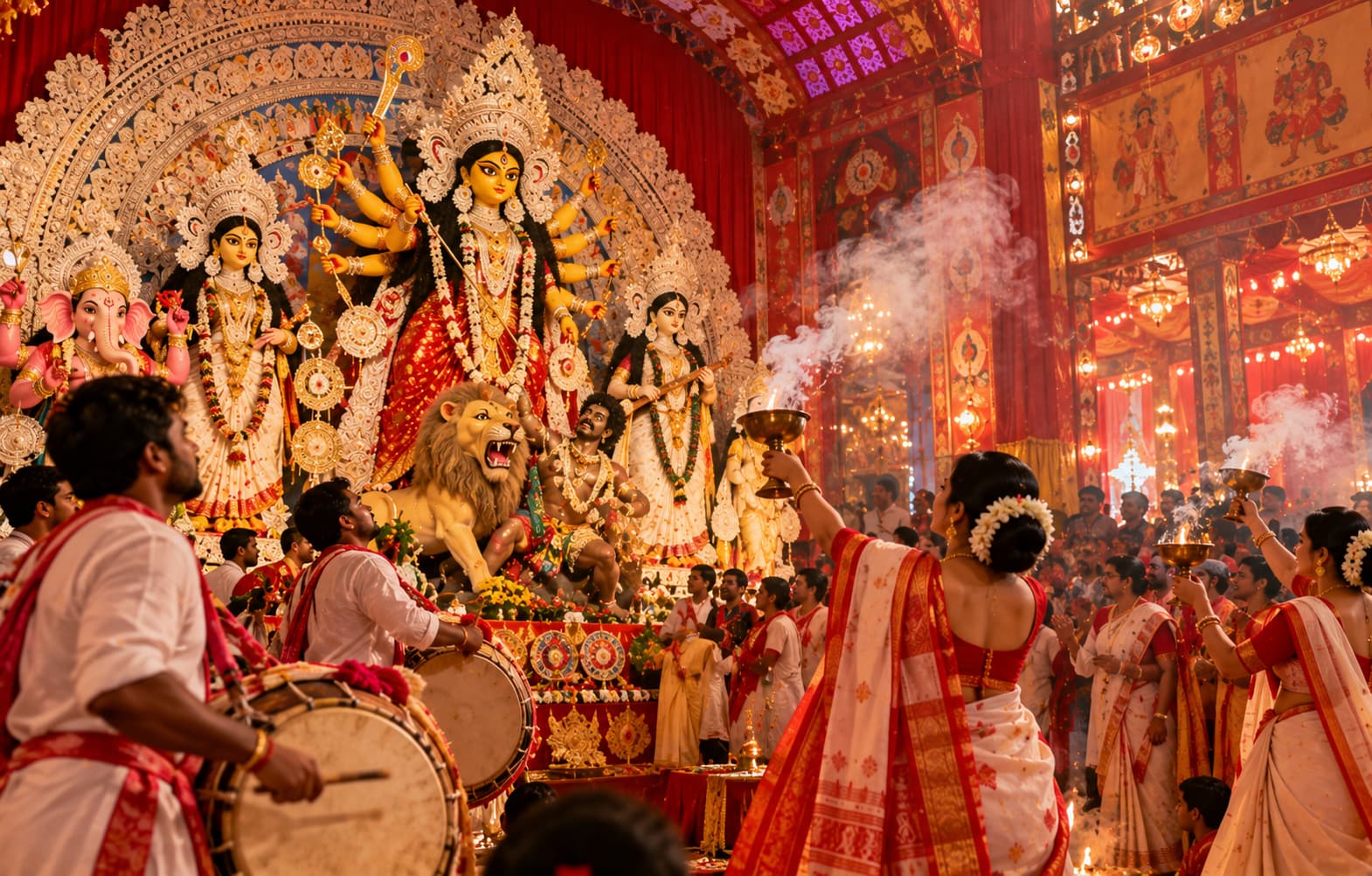
Durga Puja in Kolkata and West Bengal (September or October): Durga Puja celebrates Goddess Durga and her victory over evil. Kolkata’s elaborate pandals, artistic installations, music and shared meals make this one of the most visually striking festivals in India. Visit in the evenings to see the decorated neighbourhoods however, expect busy streets and long queues. Use public transport where possible and keep a meeting point in mind if travelling with others.
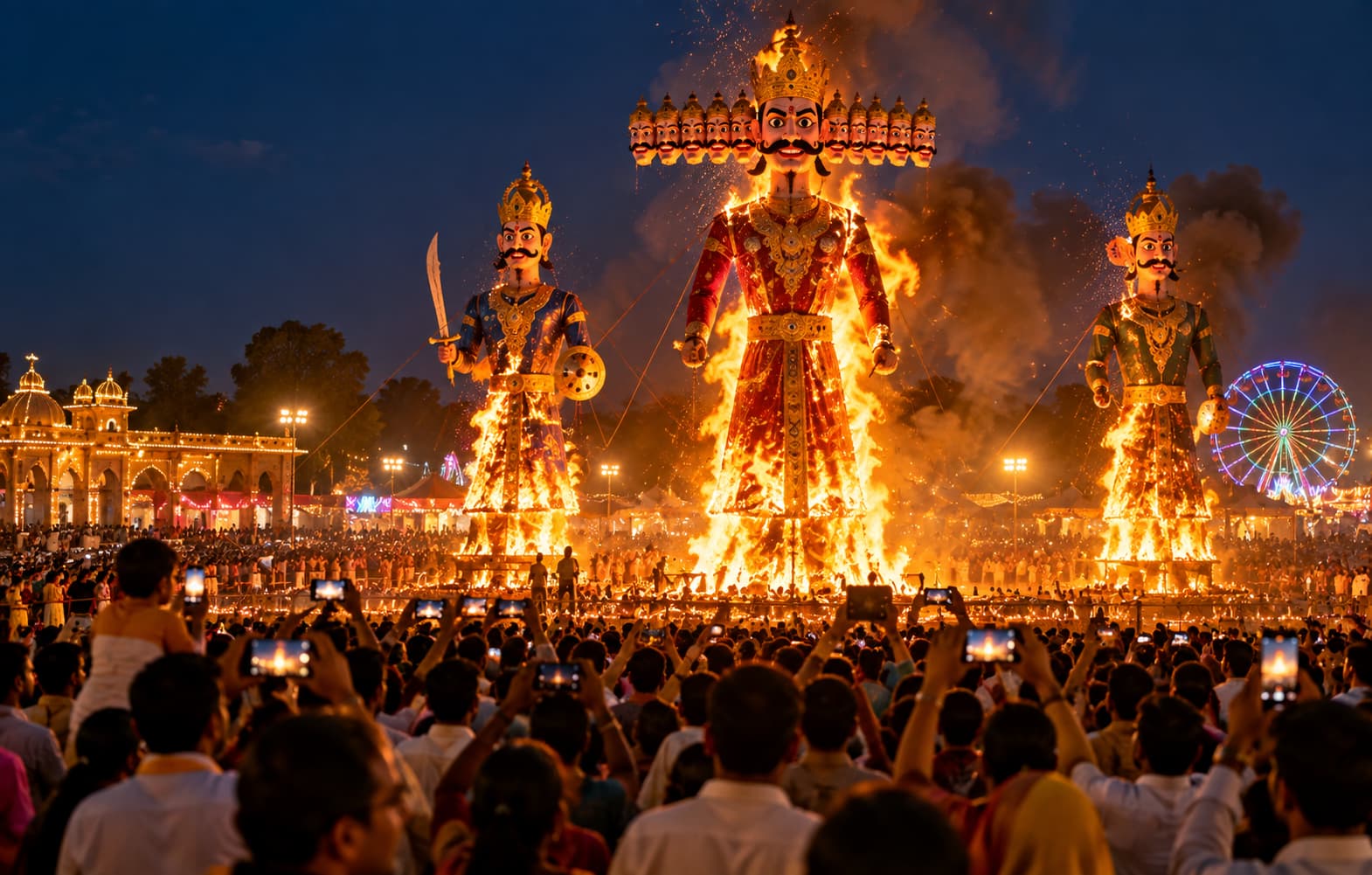
Dussehra across India (September or October): Also known as Vijayadashami in many places, Dussehra marks the victory of good over evil. Celebrations take different forms across the country. In Mysuru, Karnataka, the festival is known for its royal procession and illuminated palace; elsewhere, communities stage performances connected with the Ramayana. Therefore, choose a location based on the kind of celebration you want to see.
Autumn and early winter: Diwali and Pushkar Camel Fair
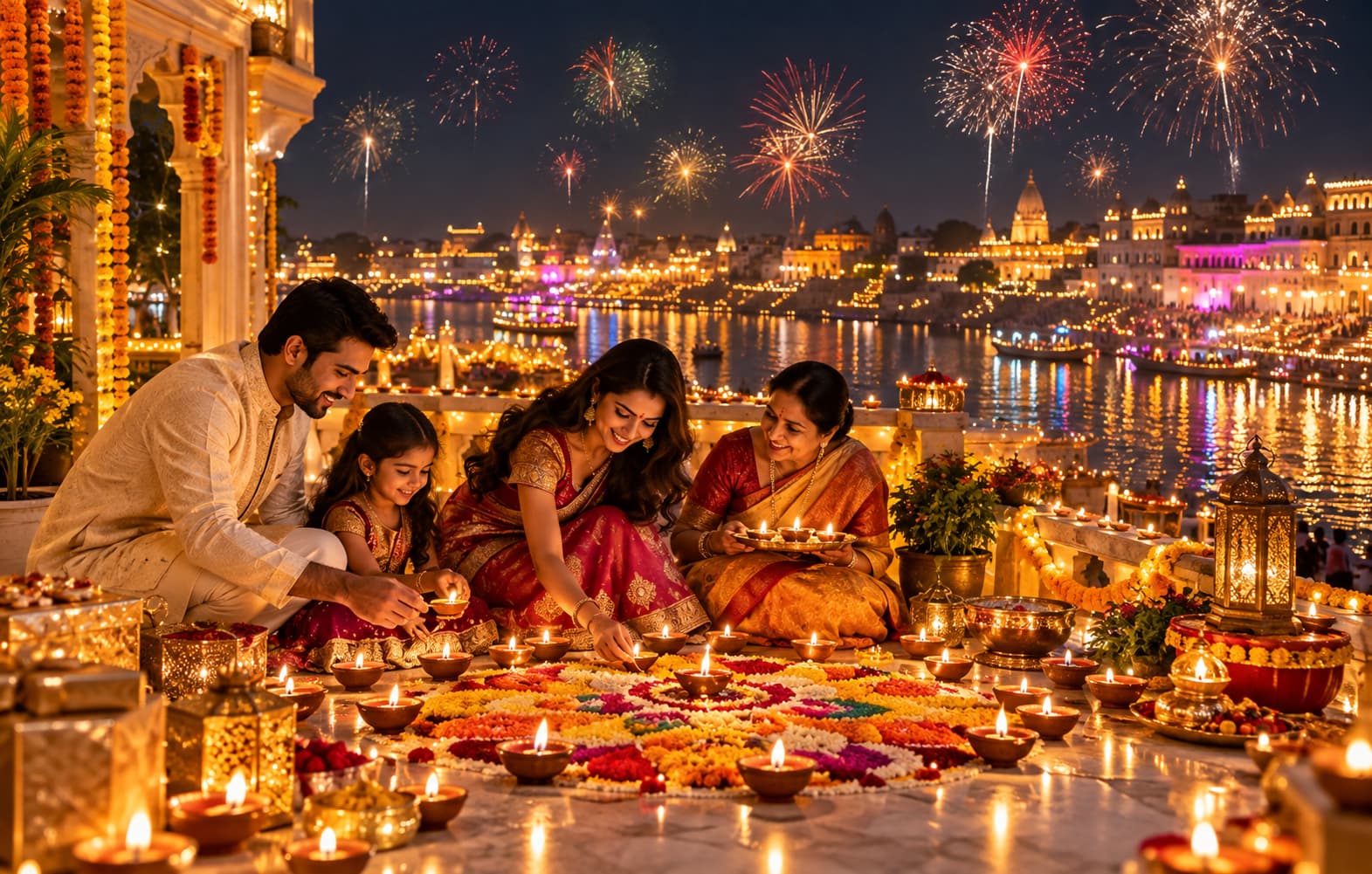
Diwali across India (October or November): Diwali, also called Deepavali, is widely known as the festival of lights. Homes, shops and public spaces glow with lamps and decorations, while families gather for prayers, sweets and visits. Each community may mark the occasion differently. Varanasi, Jaipur, Amritsar and Ayodhya are among the destinations featured by India’s official tourism portal. Fireworks may be part of some celebrations; follow local safety guidance and consider choosing quieter events if you prefer to avoid loud crowds.
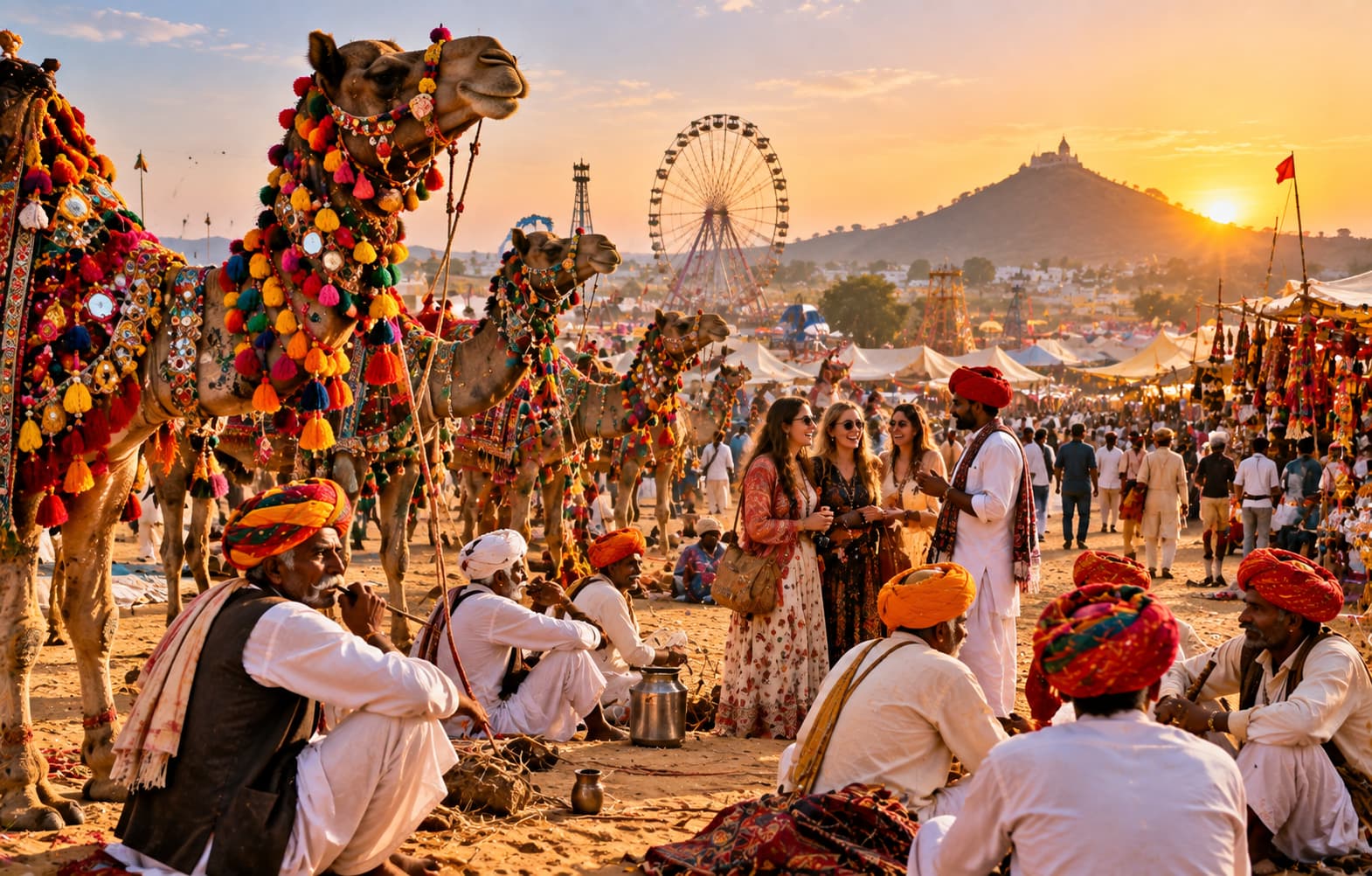
Pushkar Camel Fair in Rajasthan (usually October or November): Pushkar’s annual fair combines livestock trading with cultural events, local crafts and a large gathering near Pushkar Lake. The programme and dates change each year, so confirm details before travelling. Book accommodation well in advance, and respect local customs around the lake and religious sites.
How to choose the right Indian festival for your trip
First, decide what kind of experience suits you. If you enjoy energetic outdoor events, Holi or Ganesh Chaturthi may appeal to you. By contrast, Onam offers a strong focus on food and regional culture, while Diwali combines family traditions with public displays of light. Meanwhile, Durga Puja is an excellent choice for visitors interested in art, community celebrations and city life.
Plan your festival trip to India
The festivals of India can turn a holiday into a deeper cultural experience, whether you watch lamps shimmer along the Ganges, share a harvest feast in Kerala or admire the creative pandals of Kolkata. Choose a celebration that matches your interests, confirm the current dates and plan your transport early. Ready to experience India’s festival season? Explore our India travel guides or contact our team to plan your itinerary.
Frequently asked questions about festivals of India
Which festival is best for foreign travellers in India?
There is no single best choice. Holi suits travellers looking for lively colour celebrations, Diwali offers a chance to see homes and public spaces lit with lamps, and Onam highlights Kerala’s food and cultural traditions. Choose according to your interests, comfort with crowds and travel season.
When is the best time to experience festivals in India?
India celebrates festivals throughout the year. Winter and spring bring events such as Pongal and Holi, Onam and Ganesh Chaturthi take place in the monsoon-to-late-summer period; and Durga Puja and Diwali usually fall in autumn. Exact dates change, so check the year-specific calendar before booking.
Do festival dates change every year?
Yes. Many major festivals follow lunar calendars or regional traditions, so their Gregorian dates can shift. Check the official event listing and local organiser information for the year you plan to travel.
What should I wear to an Indian festival?
Wear comfortable clothing suited to the weather and the event. At religious sites, choose modest attire and follow local guidance. For Holi, wear clothes you do not mind staining and protect your eyes and valuables.