
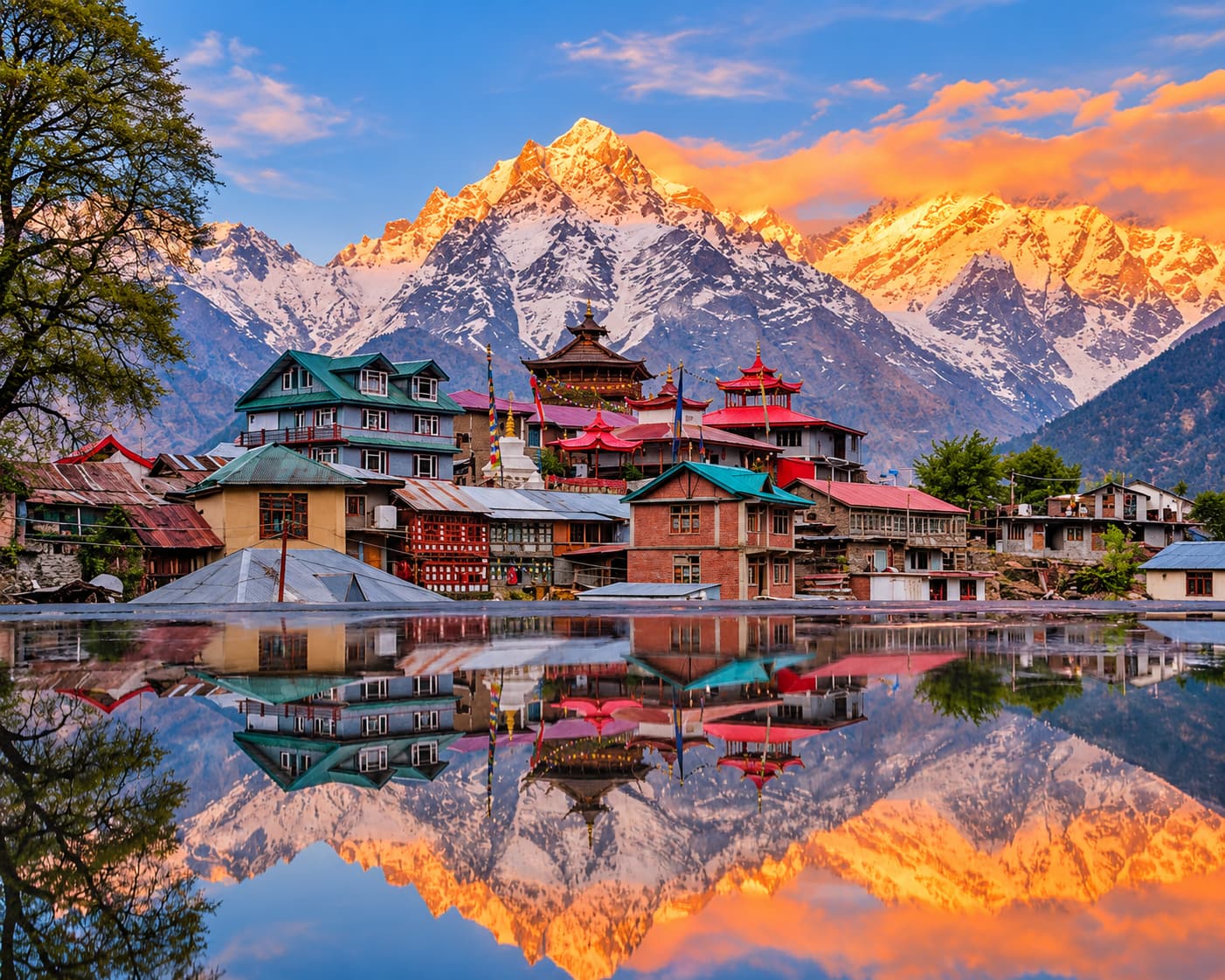
The best places to visit in the Indian Himalayas offer an extraordinary mix of snow-capped mountains, peaceful valleys, ancient monasteries, traditional villages and breathtaking landscapes. From the dramatic high-altitude deserts of Ladakh to the green valleys of Uttarakhand and the misty mountains of Sikkim, the Indian Himalayas offer something for every kind of traveller.
However, choosing the right destination can feel overwhelming, especially if you are visiting India for the first time. Each Himalayan region has its own climate, culture, accessibility and travel experiences. While some destinations suit relaxed sightseeing holidays, others require careful planning, longer journeys and time to adjust to high altitudes.
Therefore, this guide to the best places to visit in the Indian Himalayas explores the most rewarding destinations, what makes each one special, when to visit and how to plan a comfortable mountain holiday.
Kashmir: For Beautiful Valleys and Mountain Scenery
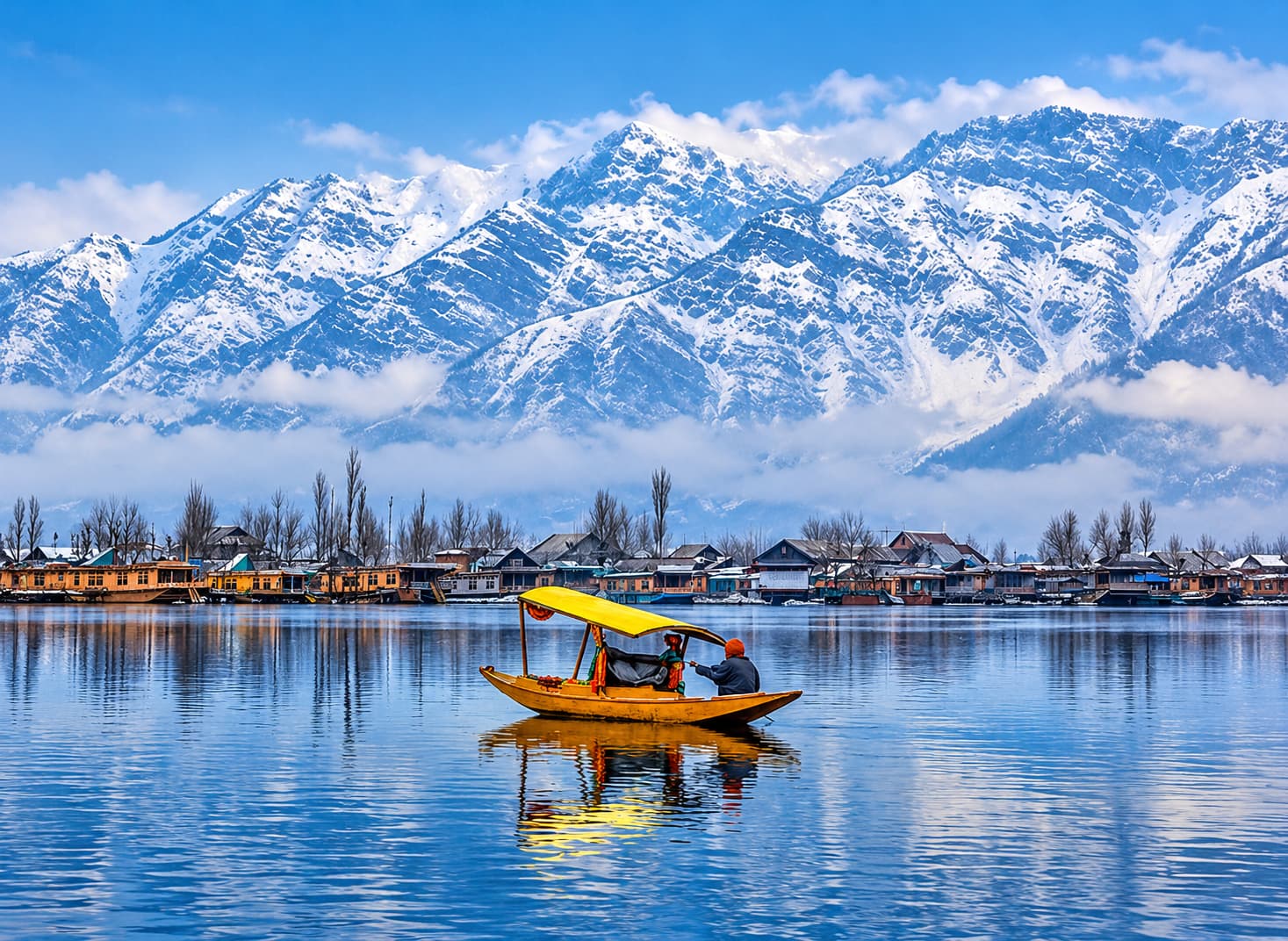
Kashmir is one of the most scenic places to visit in the Indian Himalayas, known for its alpine landscapes, traditional houseboats, flower-filled gardens and mountain lakes. The region combines natural beauty with a rich cultural heritage, making it an excellent choice for travellers seeking a relaxed yet memorable holiday.
Srinagar provides a convenient starting point for exploring the Kashmir Valley. Here, visitors can enjoy a shikara ride on Dal Lake, wander through Mughal gardens and discover the old city's architecture and local markets.
Meanwhile, Gulmarg attracts visitors with its mountain views, gondola rides and winter snow experiences. Pahalgam offers another perspective, with forested slopes, riverside scenery and access to beautiful mountain valleys.
Best experiences:
Best time to visit: March to October for gardens, greenery and mountain scenery; winter for snow experiences, subject to weather and access.
Ideal for: Couples, photographers, nature lovers and first-time visitors looking for a combination of scenic drives and comfortable stays.
Manali and the Kullu Valley, Himachal Pradesh
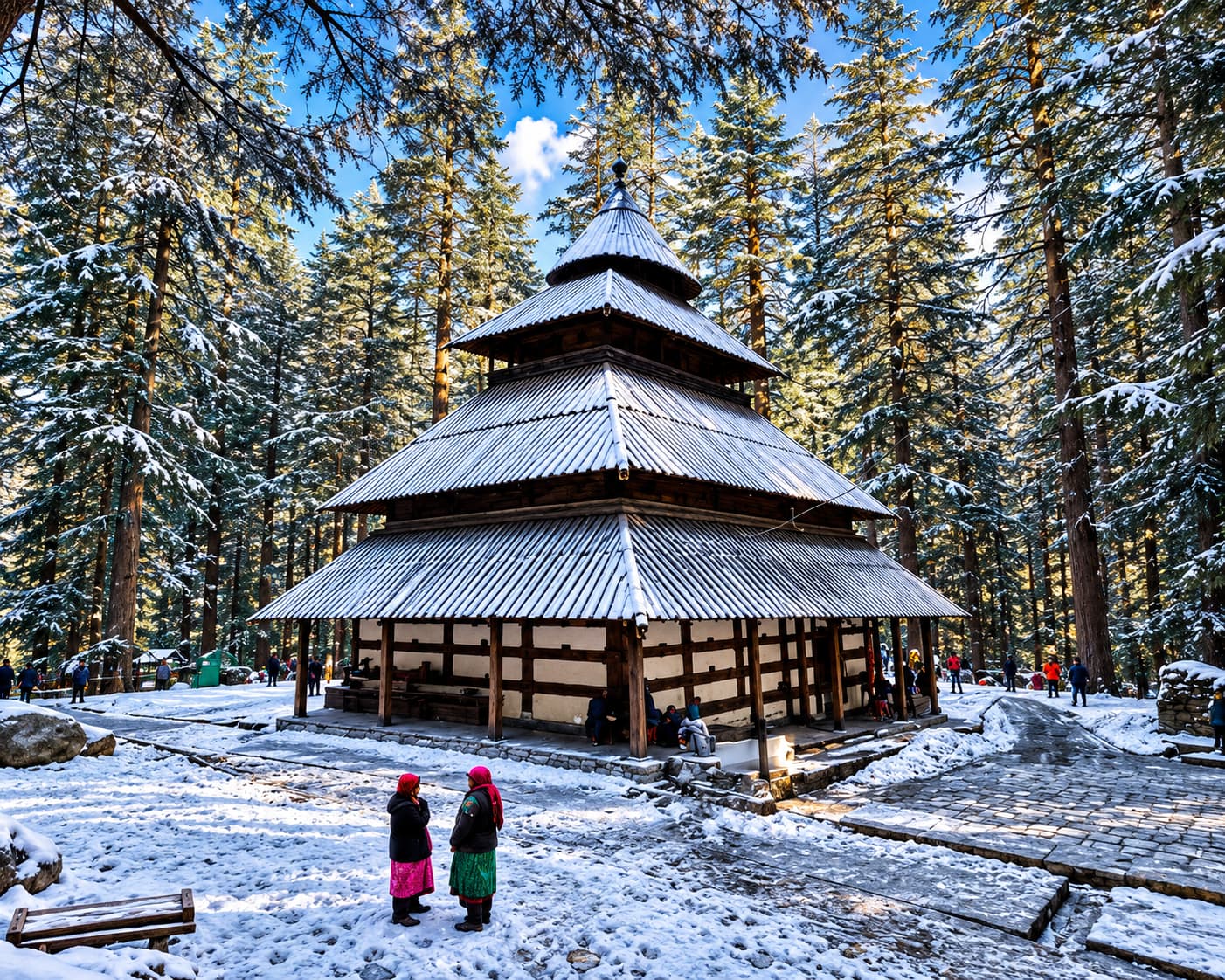
Manali is among the best places to visit in the Indian Himalayas for travellers who want mountain scenery without immediately committing to a remote expedition. Surrounded by forested slopes, apple orchards and the Beas River, this popular destination combines natural beauty with a lively town atmosphere.
In addition, Manali offers a useful base for exploring the wider Kullu Valley. Visitors can discover traditional villages, visit local temples, walk through cedar forests and enjoy views of the surrounding peaks.
Nearby Solang Valley is known for seasonal outdoor activities, while Old Manali offers cafés, guesthouses and a slower-paced atmosphere. Travellers interested in mountain culture can also explore Naggar and its heritage attractions.
Best experiences:
Best time to visit: March to June for milder weather and outdoor exploration; December to February for winter scenery, depending on snowfall and road conditions.
Ideal for: First-time Himalayan travellers, families, couples and visitors seeking a balance of nature, accommodation choices and sightseeing.
Ladakh: For High-Altitude Deserts and Turquoise Lakes
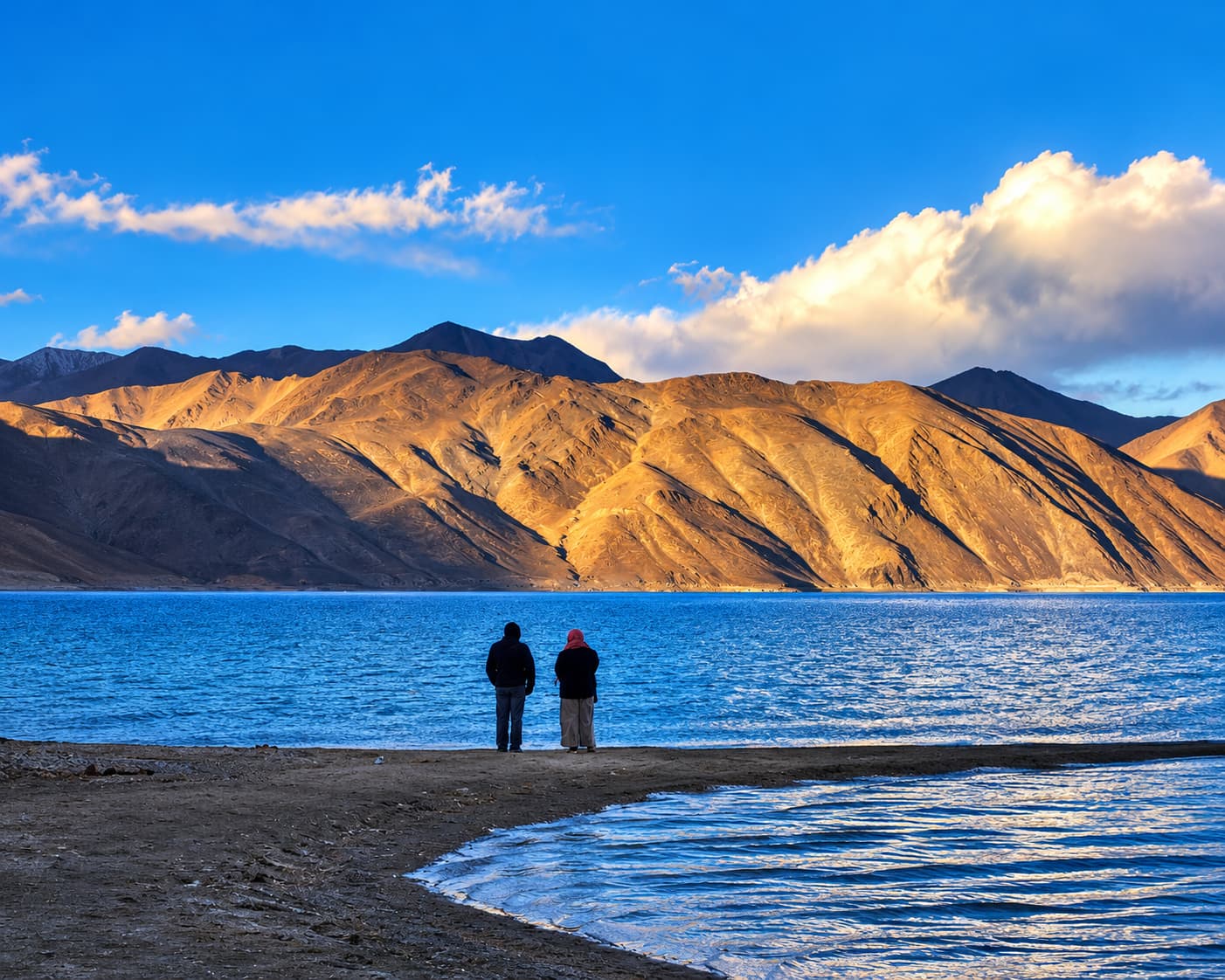
Ladakh ranks among the best places to visit in the Indian Himalayas for travellers drawn to dramatic landscapes, Buddhist heritage and adventurous road journeys. Located at high altitude, the region features rugged mountain passes, stark valleys, ancient monasteries and striking lakes.
Leh is the main base for many visitors. Its markets, monasteries and traditional architecture offer a useful introduction to Ladakhi culture before travellers venture farther into the mountains.
Beyond Leh, Nubra Valley features unusual cold-desert scenery, mountain villages and sand dunes. Pangong Tso is famous for its changing shades of blue, while the monasteries of Thiksey and Hemis provide insights into the region's Buddhist traditions.
Best experiences:
Best time to visit: May to September is generally suitable for many classic road trips, although individual routes and attractions have different seasonal conditions.
Ideal for: Experienced road-trippers, adventurous couples, photographers and culturally curious travellers comfortable with high-altitude travel.
Uttarakhand: For Forests, River Valleys and Spiritual Heritage
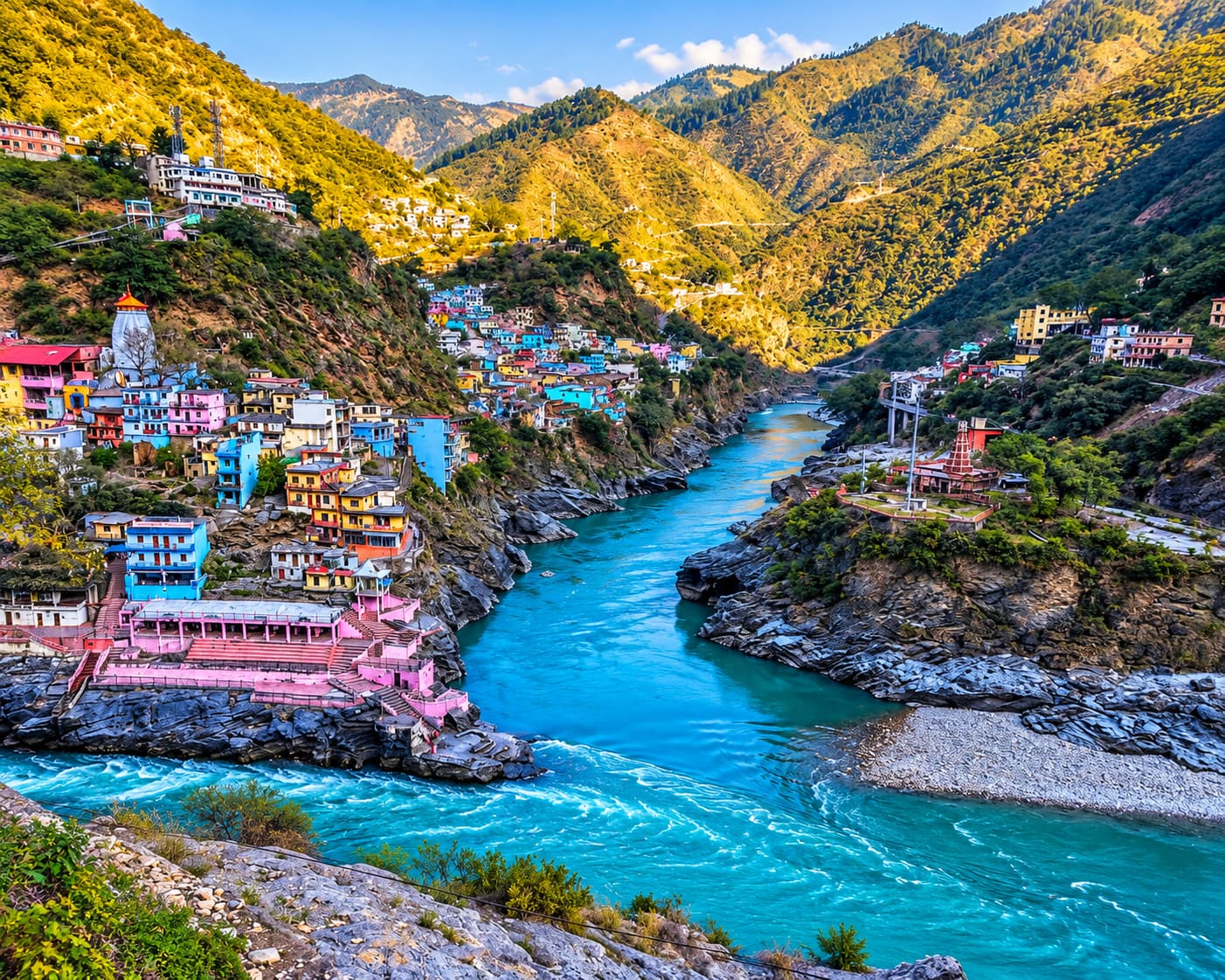
Uttarakhand is one of the most versatile regions for travellers exploring the best places to visit in the Indian Himalayas. Its landscapes range from forested hills and river valleys to alpine meadows and high mountain peaks.
For a relatively accessible introduction, Mussoorie offers mountain viewpoints, walking routes and a traditional hill-station atmosphere. Nainital, built around a picturesque lake, provides another comfortable option for sightseeing and relaxed holidays.
Further into the mountains, Rishikesh combines riverside scenery with yoga, meditation and spiritual experiences. Travellers interested in trekking and nature can also consider the Valley of Flowers, subject to its seasonal opening and trekking requirements.
Best experiences:
Best time to visit: March to June for many lower-altitude destinations and September to November for clearer post-monsoon conditions. Trekking seasons vary by route.
Ideal for: First-time visitors, families, nature lovers, spiritual travellers and people interested in gentle outdoor activities.
Sikkim: For Monasteries, Alpine Lakes and Kanchenjunga Views
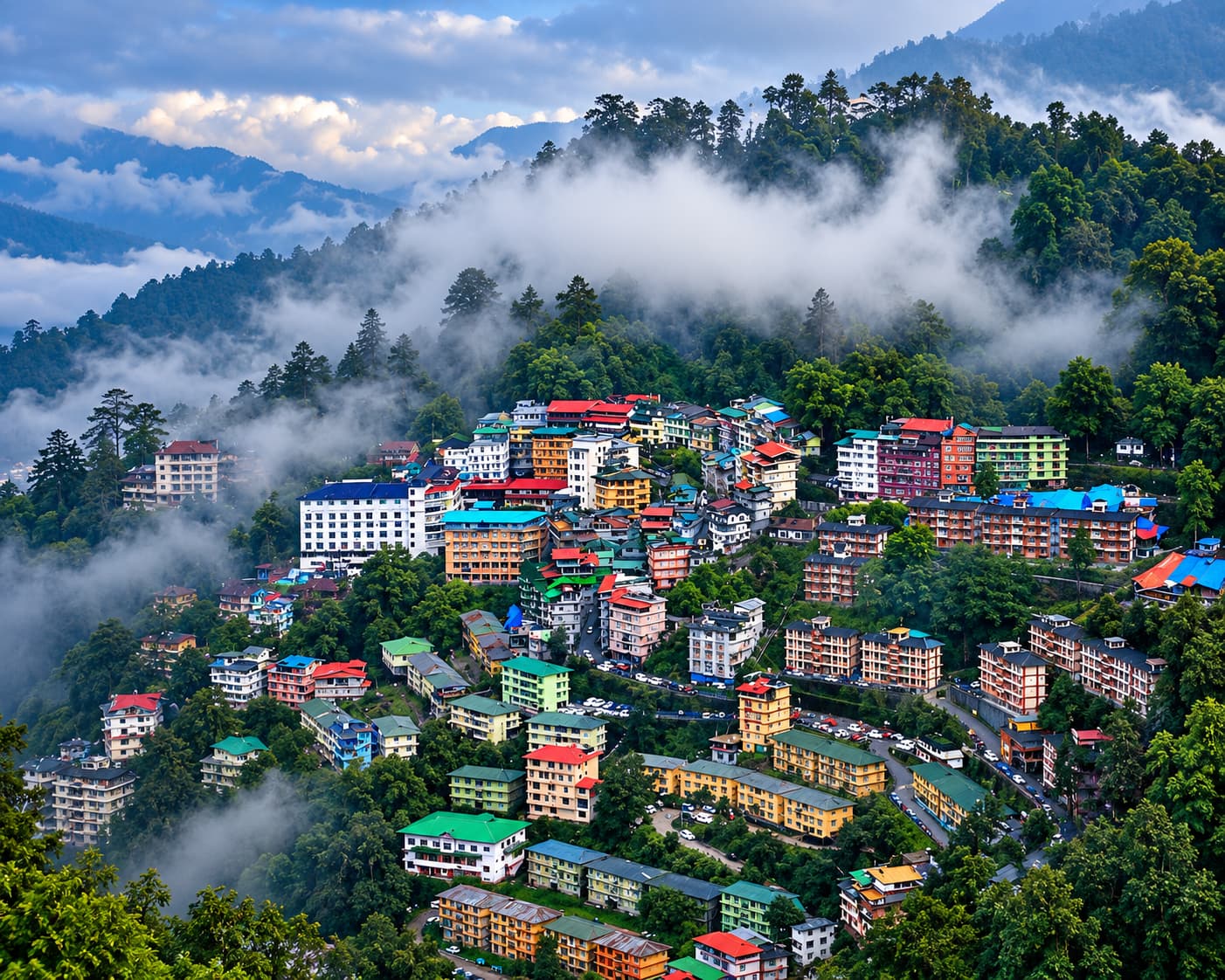
Sikkim is one of the most rewarding places to visit in the eastern Indian Himalayas. Its landscapes include lush valleys, forested mountains, alpine lakes and impressive views of the Kanchenjunga range.
Gangtok, the state capital, is a convenient starting point for exploring the region. Visitors can discover monasteries, local markets, traditional cuisine and viewpoints around the city.
Meanwhile, Tsomgo Lake offers a memorable high-altitude excursion, and Pelling attracts travellers with its mountain views and cultural attractions. Depending on the season and local access, visitors can also explore North Sikkim's mountain villages and the flower-filled landscapes of Yumthang Valley.
Best experiences:
Best time to visit: March to May for spring landscapes and October to mid-December for clearer mountain views, although conditions vary by location.
Ideal for: Couples, photographers, culture enthusiasts and travellers seeking a combination of mountain scenery and local traditions.
Darjeeling: For Tea Gardens and Himalayan Views
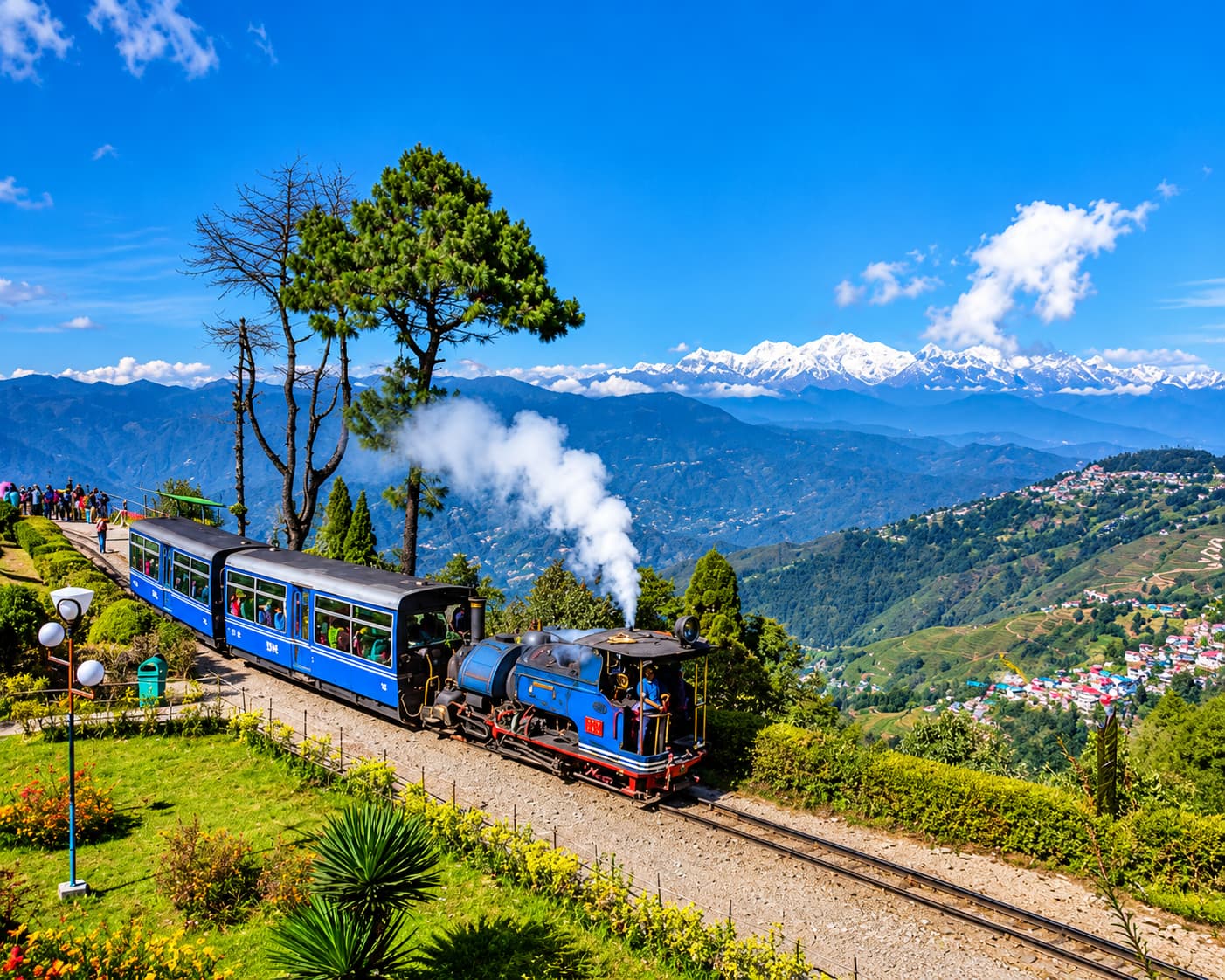
Darjeeling offers a different experience from the high-altitude destinations of Ladakh and Spiti. Located in the eastern Himalayan foothills, it combines rolling tea gardens, colonial-era architecture, mountain views and a distinctive local culture.
The town is famous for its tea estates and the Darjeeling Himalayan Railway, a narrow-gauge railway recognised for its heritage value. Visitors can explore local markets, enjoy tea tastings and discover viewpoints around the surrounding hills.
Additionally, Darjeeling makes a useful choice for travellers who prefer a slower-paced holiday with comfortable accommodation, cafés and accessible sightseeing. Clear mountain views depend on the weather, so it is worth keeping some flexibility in your schedule rather than expecting every viewpoint to offer uninterrupted panoramas.
Best experiences:
Best time to visit: March to May and October to November are often favourable for sightseeing, subject to weather conditions.
Ideal for: Couples, families, tea enthusiasts, photographers and travellers seeking a gentler introduction to Himalayan landscapes.
Arunachal Pradesh: For Remote Mountain Landscapes and Living Traditions
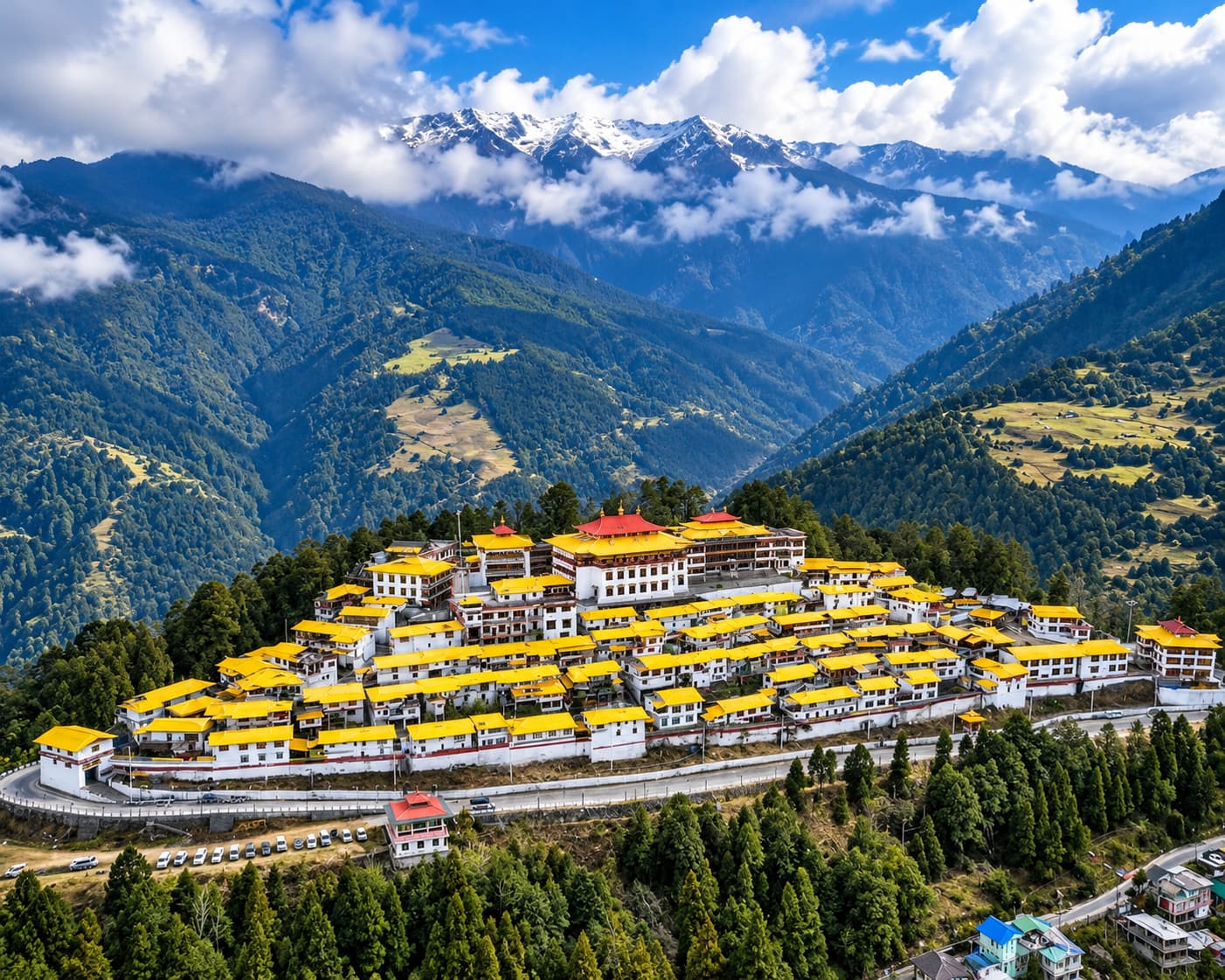
Arunachal Pradesh offers a distinctive Himalayan experience in India's far northeast. The region features forested mountains, river valleys, remote settlements and diverse Indigenous cultures.
Tawang is one of its best-known destinations, attracting visitors with its large Buddhist monastery, mountain scenery and cultural heritage. The journey itself can be a major part of the experience, passing through changing landscapes and mountain communities.
Unlike more developed hill stations, some areas require additional planning because of long travel times, limited transport connections and permit requirements. Therefore, international visitors should confirm the latest entry rules and travel permissions before departure.
Best experiences:
Best time to visit: October to April is often considered for many sightseeing itineraries, but weather and road conditions vary significantly across the region.
Ideal for: Culture enthusiasts, photographers, experienced travellers and visitors interested in exploring India's northeastern Himalayas.
Conclusion: Discover the Indian Himalayas at Your Own Pace
The best places to visit in the Indian Himalayas offer far more than beautiful mountain views. They introduce travellers to traditional communities, ancient monasteries, regional cuisines, remarkable wildlife and landscapes that change dramatically from one valley to another.
Whether you choose the lakes of Kashmir, the rugged beauty of Spiti, Ladakh's high-altitude scenery or the cultural richness of Sikkim, thoughtful planning will help you make the most of your journey. For first-time visitors, the key is to choose a region that matches your interests and allow enough time to experience it comfortably. Rather than rushing through multiple destinations, focus on meaningful experiences, scenic journeys and opportunities to connect with local culture.
Planning your first trip to India? Explore Great India Travel India tour experiences or contact our team to discuss a journey that suits your travel dates, interests and preferred pace.