
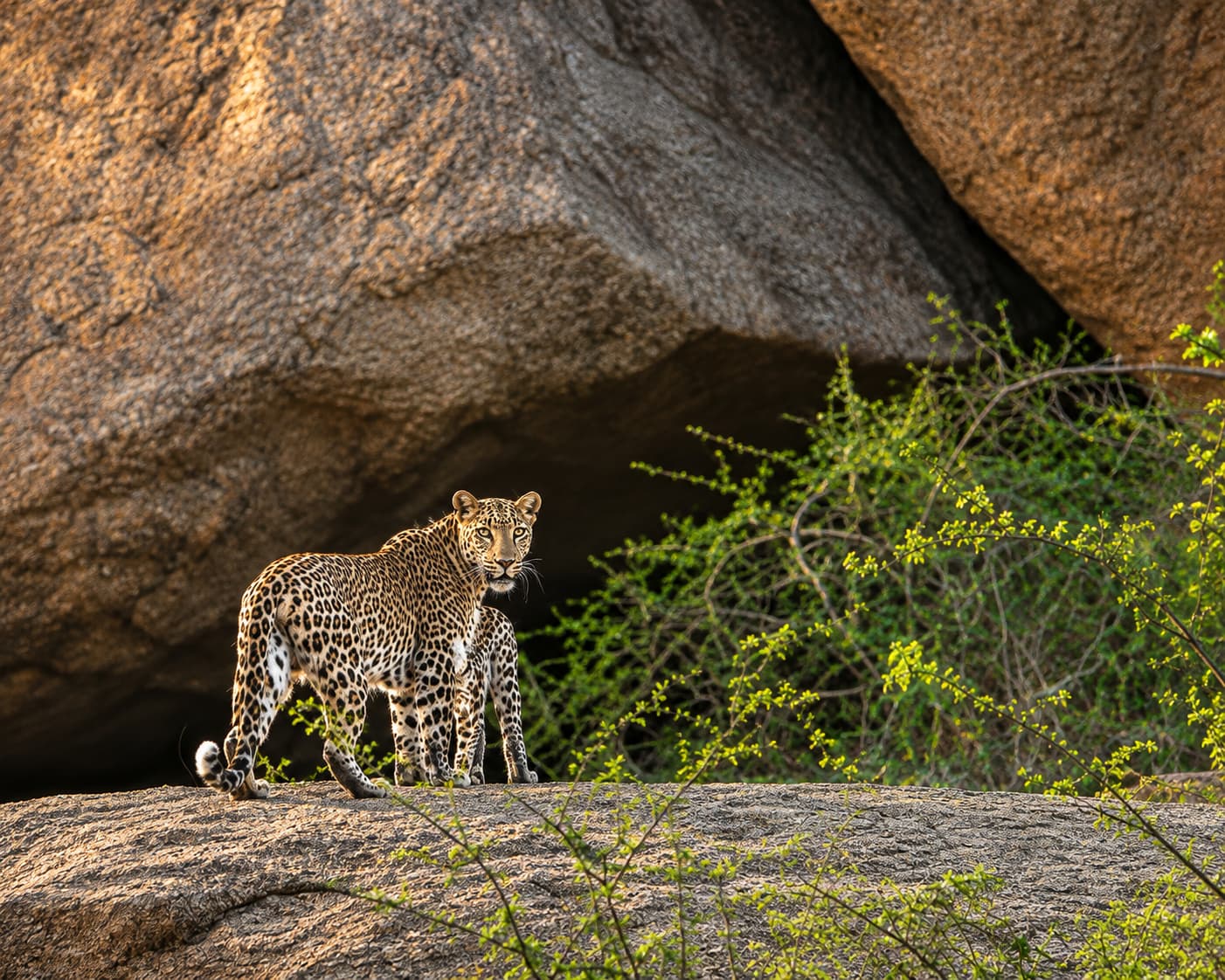
India is one of the world's most rewarding destinations for wildlife enthusiasts, offering incredible opportunities to explore forests, grasslands, wetlands and diverse natural habitats. The best national parks in India allow travelers to experience Bengal tigers in the wild, observe one-horned rhinoceroses in open grasslands and discover the remarkable biodiversity of the Indian subcontinent. In addition, the country's famous Indian tiger reserves and best wildlife sanctuaries in India offer memorable experiences for visitors seeking an authentic wildlife safari in India.
However, choosing the right destination depends on what you want to see. Some parks are particularly well known for tiger safaris, while others offer opportunities to spot Asiatic lions, elephants, rhinoceroses, leopards and hundreds of bird species. Moreover, the season, safari zone and number of game drives can influence your experience.
Whether you are planning your first India wildlife safari from the UK, USA, Australia or New Zealand, this guide explores the leading wildlife destinations, explains when to visit and shares practical advice to help you plan a rewarding journey.
Why Visit the Best National Parks in India?
India's wildlife landscapes are remarkably varied. From the dry forests of Rajasthan to the sal forests of central India and the floodplains of Assam, each region supports a different mix of wildlife.
Consequently, travellers can choose a safari based on their interests rather than following a single route. For example, Ranthambore and Bandhavgarh attract visitors hoping to see tigers, whereas Kaziranga is famous for its greater one-horned rhinoceroses. Similarly, Gir National Park offers a chance to see Asiatic lions in their natural habitat.
Furthermore, wildlife travel can complement India's cultural and heritage destinations. You could combine a safari in Ranthambore with Jaipur and Agra, or explore central India's forests as part of a longer journey through the country's historic cities.
Remarkable biodiversity: Explore habitats that support tigers, elephants, rhinos, leopards, deer, reptiles and diverse birdlife.
Different safari experiences: Depending on the destination, you may enjoy guided jeep safaris, canter safaris or permitted boat-based wildlife excursions.
Scenic landscapes: Discover forests, lakes, grasslands, hills and wetlands beyond India's famous monuments.
Ranthambore National Park, Rajasthan
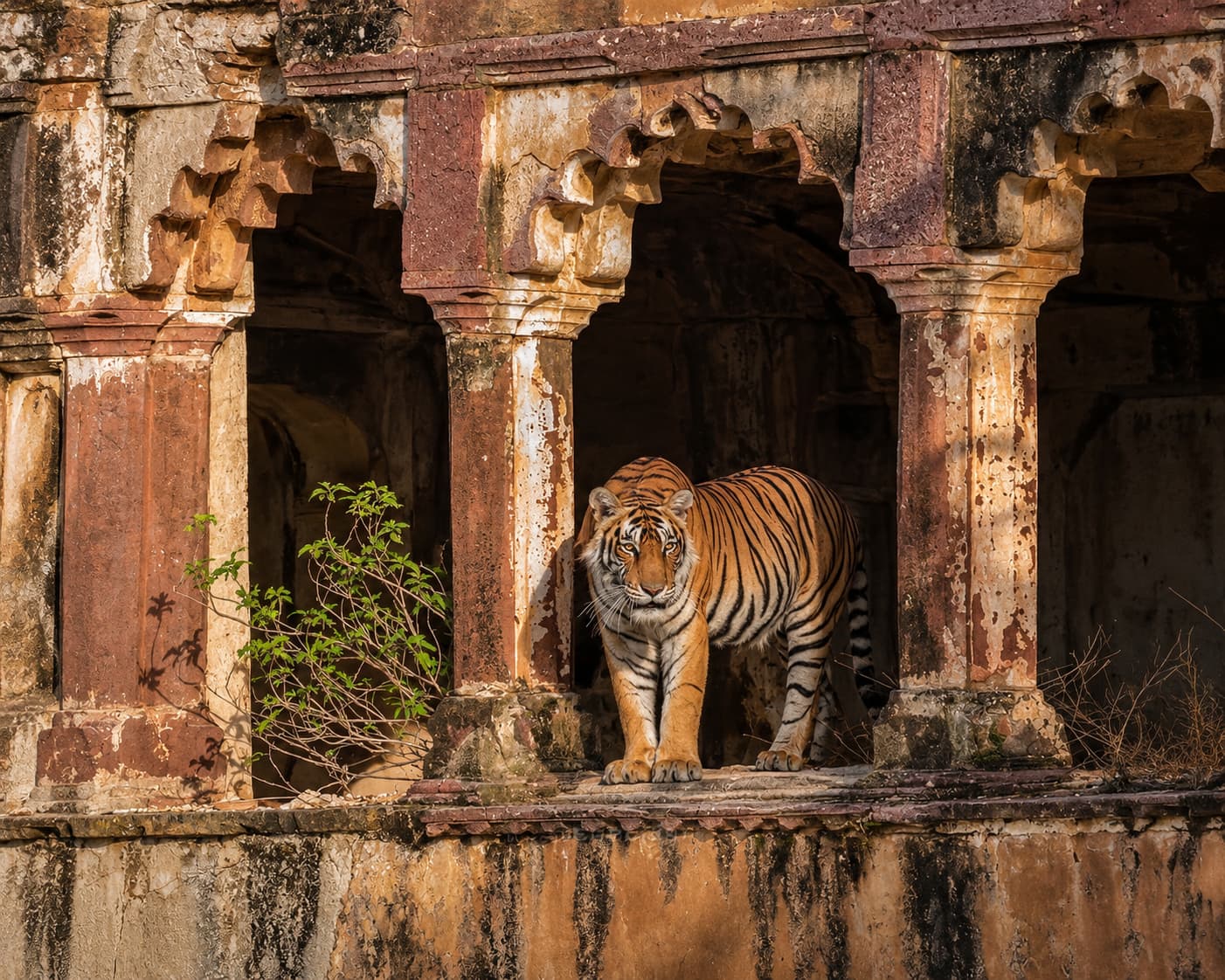
Best for: Tiger safaris, photography and combining wildlife with Rajasthan's heritage.
Ranthambore National Park is among the best national parks in India for travellers who want to combine wildlife viewing with a cultural holiday. Located in Rajasthan, near Sawai Madhopur, the park features dry deciduous forests, rocky hills, lakes and the striking ruins of Ranthambore Fort.
The landscape creates a distinctive setting for a tiger safari in India. Besides Bengal tigers, visitors may encounter leopards, sloth bears, crocodiles, spotted deer, sambar deer and numerous bird species. However, wildlife sightings depend on natural conditions and are never guaranteed.
What makes Ranthambore special?
Unlike many forest destinations, Ranthambore combines wildlife habitats with visible traces of its historic past. Consequently, a safari here offers beautiful scenery as well as opportunities to observe animals in the wild.
The park also fits naturally into a Golden Triangle itinerary covering Delhi, Agra and Jaipur. Therefore, it is a practical choice for international visitors who want to experience both India's famous monuments and its wildlife.
Best time to visit: The park's main tourism season generally runs from October to June, although access varies by zone and official seasonal rules. The cooler months are comfortable for travel, while the hotter months may offer better visibility in some conditions.
Jim Corbett National Park, Uttrakhand
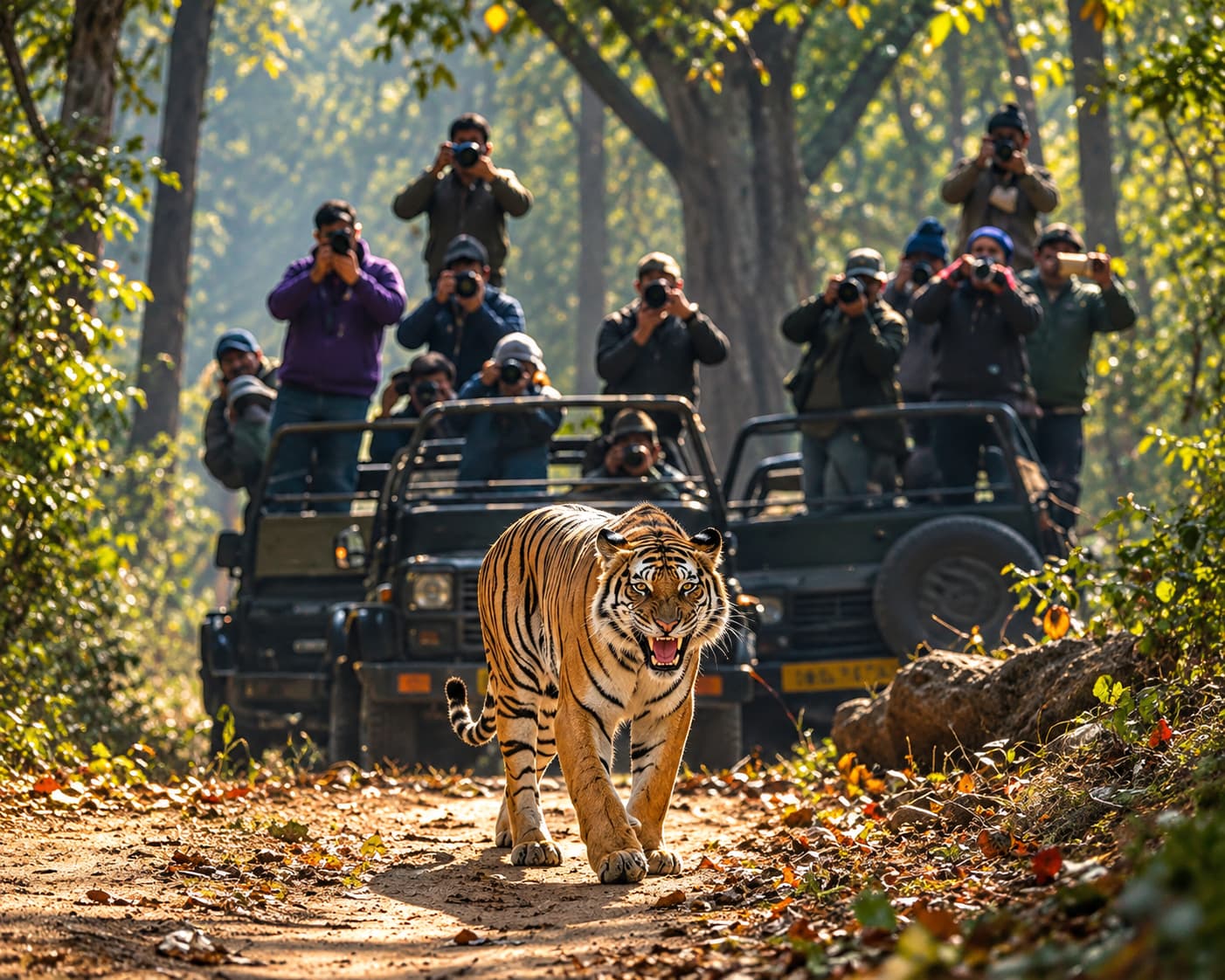
Best for: Forest landscapes, elephants, birdwatching and tiger-safari experiences.
Jim Corbett National Park lies in the Himalayan foothills of Uttarakhand. Established in 1936 as Hailey National Park, it holds an important place in India's wildlife conservation history.
Its landscapes include riverine forests, grasslands, hills and dense woodland. As a result, the park appeals to travellers who enjoy exploring varied natural environments rather than focusing exclusively on large mammals.
Wildlife to look for in Corbett
The park supports Bengal tigers, Asian elephants, deer, leopards and an impressive variety of birds. Nevertheless, the animals you encounter will depend on the habitat, safari zone, season and natural movement of wildlife.
Corbett also offers a different atmosphere from Rajasthan's drier reserves. The combination of forest, rivers and foothills makes it especially appealing to nature lovers and photographers.
Best time to visit: November to February generally offers pleasant weather for many visitors. However, access to individual tourism zones changes seasonally, so check current opening information before planning your trip.
Kaziranga National Park, Assam
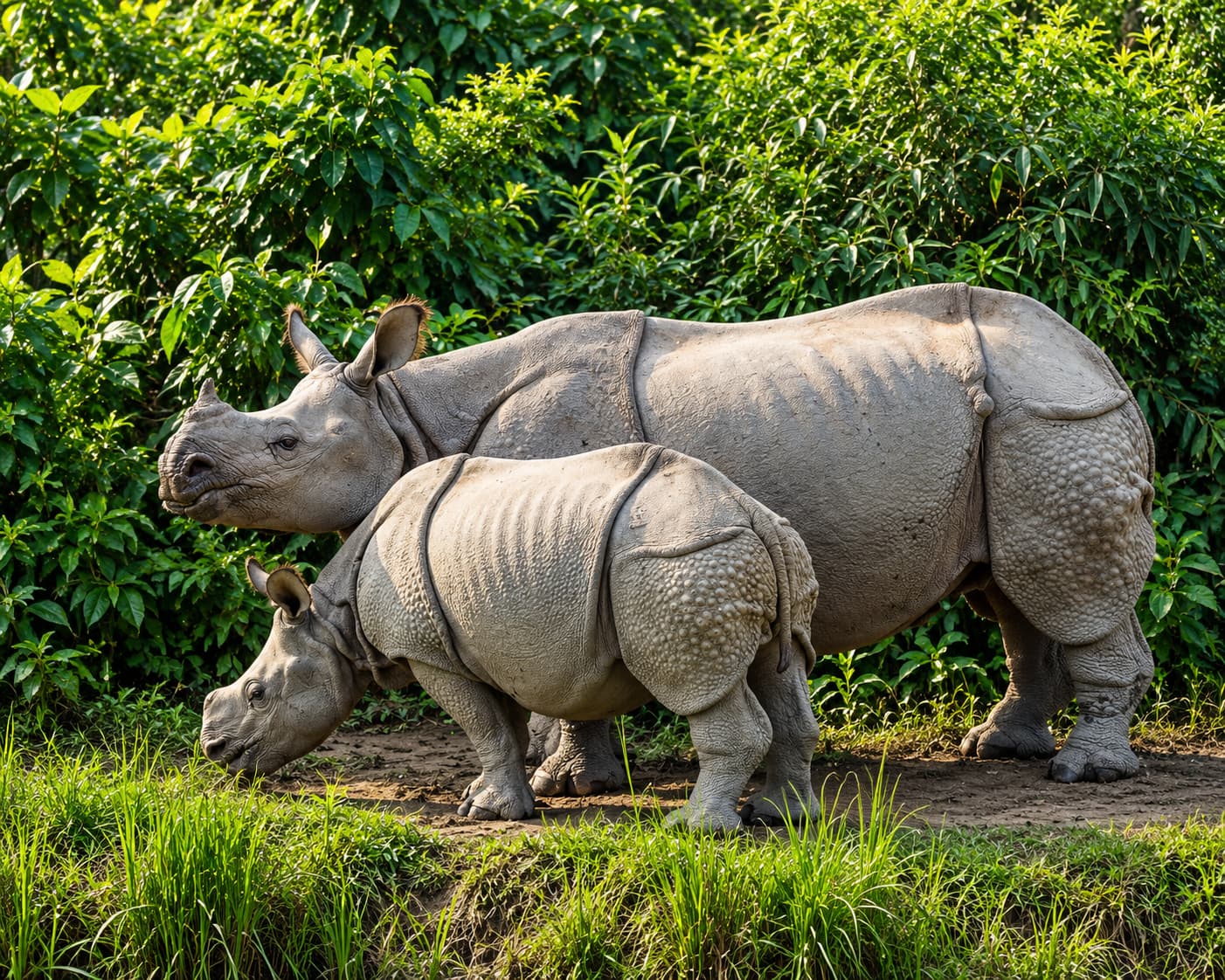
Best for: One-horned rhinoceroses, grassland wildlife and birdwatching.
Kaziranga National Park is one of India's most distinctive wildlife destinations. Located in Assam, it is internationally renowned for its greater one-horned rhinoceroses and important wetland and grassland ecosystems.
The park's floodplains, tall grasses and water bodies support rhinoceroses, wild water buffalo, elephants, deer and many bird species. Tigers also inhabit the landscape, although sightings are not the main reason most visitors choose Kaziranga.
What makes Kaziranga different?
Unlike the dry forests associated with many tiger safaris, Kaziranga offers a landscape shaped by the Brahmaputra floodplain. Therefore, the wildlife viewing experience feels very different from a safari in Rajasthan or central India.
For international travellers, Kaziranga is an excellent option when the aim is to see more than tigers. Its distinctive wildlife and scenery make it a valuable addition to a wider India wildlife tour.
Best time to visit: The main visitor season generally falls between November and April, although exact opening dates and access depend on weather and park management decisions.
Gir National Park, Gujarat
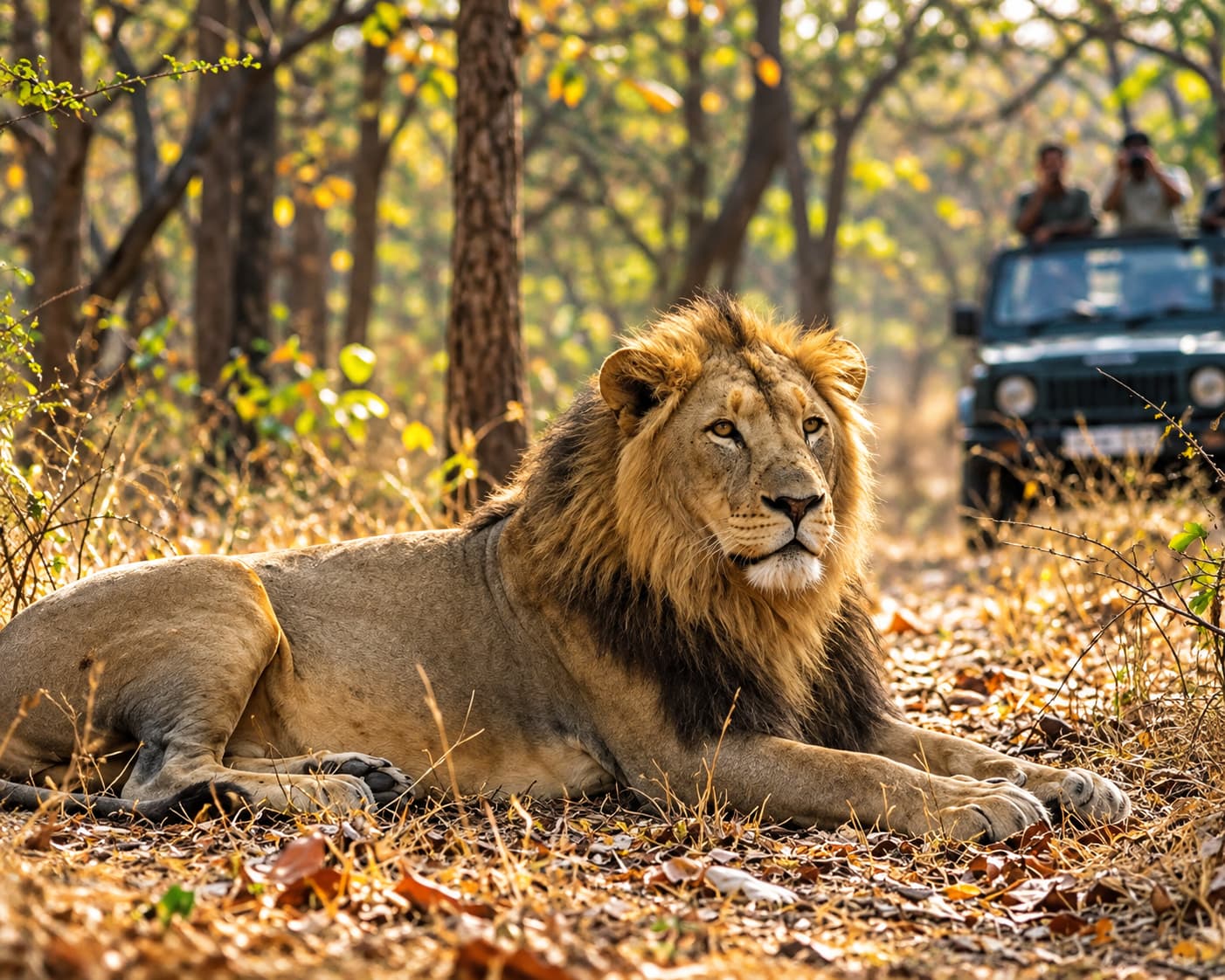
Best for: Asiatic lions and distinctive dry-forest landscapes.
Gir National Park and its surrounding protected landscape are famous for the Asiatic lion. For travellers who want to see a species other than the Bengal tiger, Gir stands out among India's leading wildlife destinations.
The region includes dry deciduous forest, scrubland, grassland and water bodies. In addition to lions, the ecosystem supports leopards, deer, antelope, hyenas and a variety of birdlife.
Why visit Gir?
A Gir safari provides a different perspective on Indian wildlife conservation. Rather than focusing on tiger habitats, the experience centres on the ecology and conservation of the Asiatic lion.
Best time to visit: Gir National Park is generally open to visitors from mid-October to mid-June, while the park's main tourism season typically runs from October to June. The park remains closed to regular safari tourism during the monsoon season, generally from mid-June to mid-October.
Periyar Tiger Reserve, Kerala
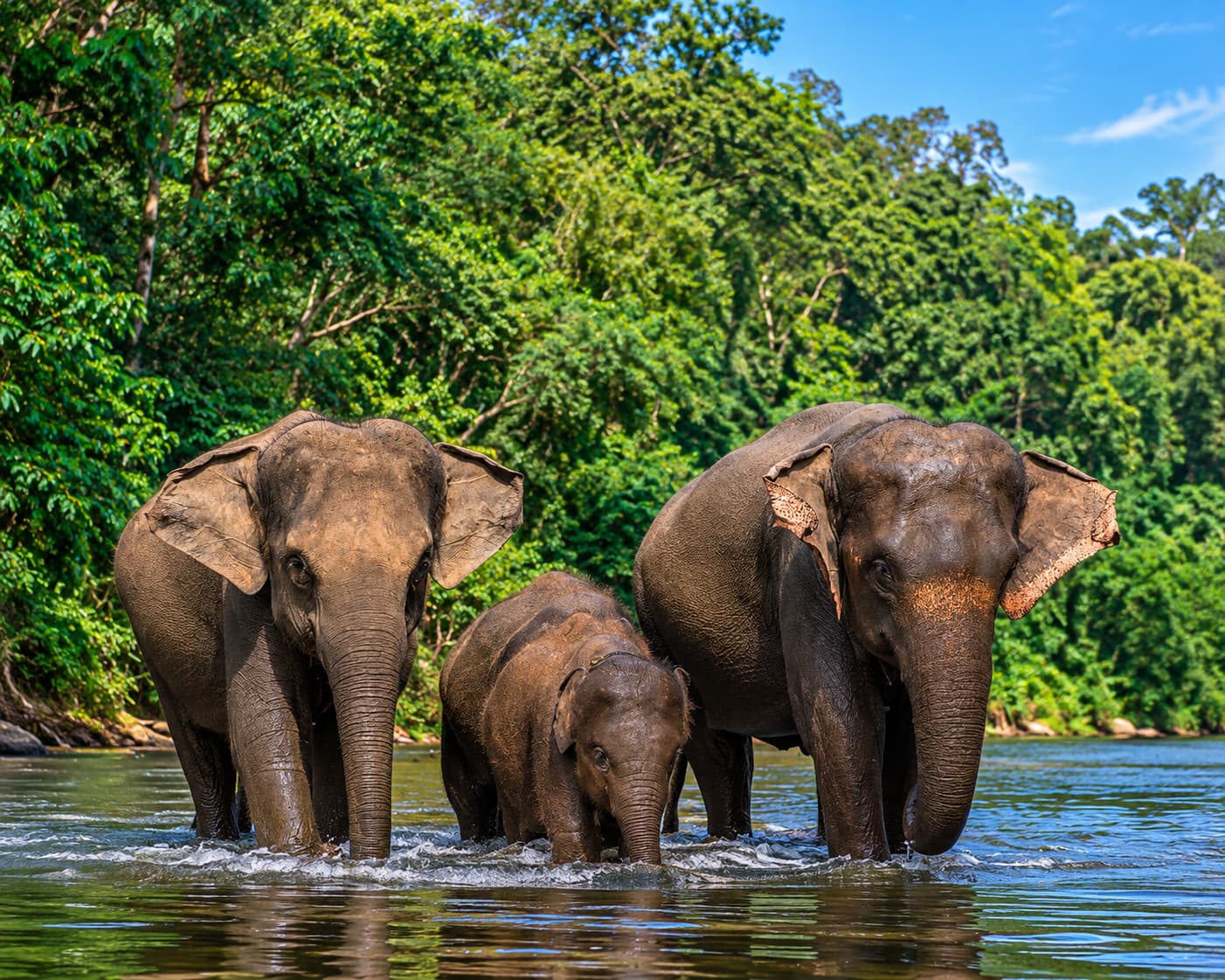
Best for: Forest landscapes, elephants, birdwatching and nature-based experiences in southern India.
Periyar Tiger Reserve is one of the most distinctive wildlife destinations in southern India. Located in Kerala's Western Ghats, the reserve features evergreen forests, rolling hills and the scenic Periyar Lake. Unlike the dry forests of Rajasthan, Periyar offers a lush tropical environment that appeals to nature lovers and wildlife enthusiasts.
The reserve supports Asian elephants, gaurs, sambar deer, wild boars and a variety of bird species. Tigers also inhabit the forest, although sightings can be challenging because of the dense vegetation. Therefore, visitors should approach Periyar as a broader nature experience rather than a destination solely for tiger sightings.
What makes Periyar special?
Periyar offers a different perspective on wildlife tourism in India. Depending on current permissions and availability, visitors can explore authorised nature trails, guided forest activities and boat-based experiences around the reservoir.
Moreover, the reserve fits naturally into a Kerala itinerary that includes destinations such as Munnar, Kochi and the backwaters of Kumarakom or Alleppey. Consequently, it is an excellent choice for international travellers who want to combine wildlife, scenic landscapes and cultural experiences.
Best time to visit: October to April is a useful general planning window, although conditions vary throughout the year. The monsoon brings lush greenery but can affect outdoor activities and accessibility.
How to Choose the Best Wildlife Safari in India
If you want to see tigers: Compare Ranthambore, Bandhavgarh, Kanha, Tadoba, Pench and Corbett. Consider accessibility, season, available safari zones and the time you can spend in each destination.
If you want to see rhinoceroses: Kaziranga is a leading choice because of its internationally important greater one-horned rhinoceros population.
If you want to see Asiatic lions: Focus on Gir and its authorised wildlife tourism experiences.
If you enjoy birdwatching: Consider destinations such as Corbett, Kaziranga, Kanha and the Sundarbans, each of which supports different bird habitats.
If you prefer a varied holiday: Combine a wildlife destination with cultural sightseeing, heritage sites or regional experiences. For example, Ranthambore can complement a Golden Triangle itinerary, while Periyar can form part of a wider Kerala journey.
Plan Your Wildlife Holiday in India with Great India Travel
India's wildlife destinations offer far more than the chance to spot a tiger. From the grasslands of Kaziranga to the historic landscapes of Ranthambore and the forests of central India, every region reveals a different side of the country's natural heritage.
However, the most rewarding wildlife holiday is one that balances realistic travel times, suitable accommodation, seasonal conditions and responsible wildlife experiences.
At Great India Travel, we help travellers explore India through thoughtfully planned journeys that can bring together wildlife, culture, heritage and local experiences. Whether you are visiting India for the first time or returning to discover a different region, the right itinerary can make your journey more comfortable and meaningful.
Planning a wildlife safari in India? Contact Great India Travel to discuss your travel dates, preferred destinations and the type of wildlife experience you would like to enjoy.