
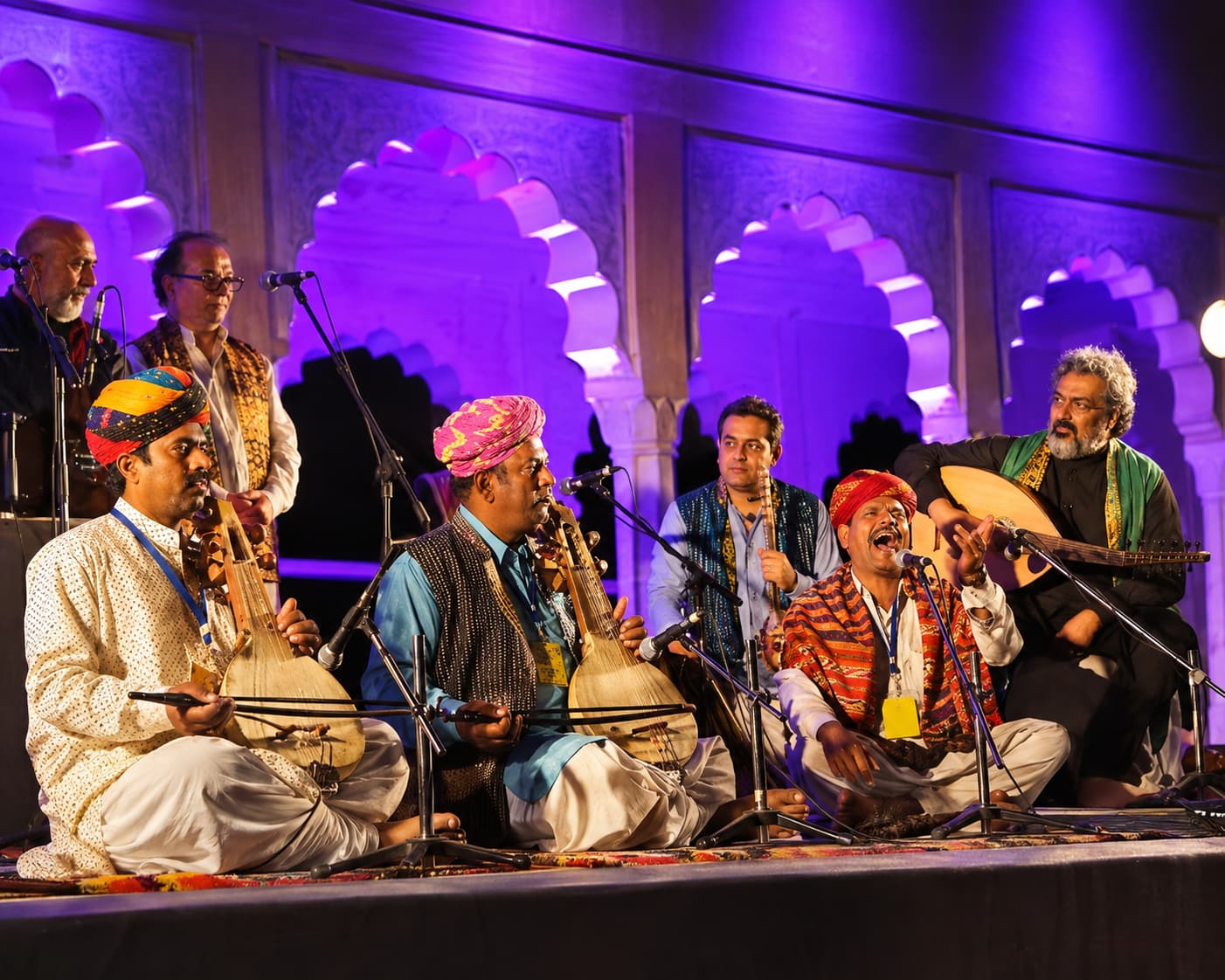
Rajasthan is a land where ancient forts rise above blue cities, royal palaces overlook peaceful lakes, and desert communities preserve musical traditions passed down through generations. Yet, beyond its magnificent architecture and golden landscapes, the state offers experiences that reveal a deeper connection with India's culture and history. One such experience is the World Sacred Spirit Festival, widely known as the World Sufi Festival in Rajasthan.
Held at remarkable heritage settings in Jodhpur and Nagaur, this festival brings together spiritual music, traditional folk performances and artistic traditions from India and other parts of the world. Its distinctive atmosphere offers international travellers an opportunity to discover Rajasthan through sound, storytelling and cultural exchange rather than sightseeing alone.
However, the festival can be just the beginning of a much wider journey. From the bustling bazaars of Jaipur and the imposing Mehrangarh Fort in Jodhpur to Udaipur's lakes and the tranquil Aravalli Hills around Mount Abu, Rajasthan rewards travellers who take the time to explore its many different personalities.
What Is the World Sufi Festival in Rajasthan?
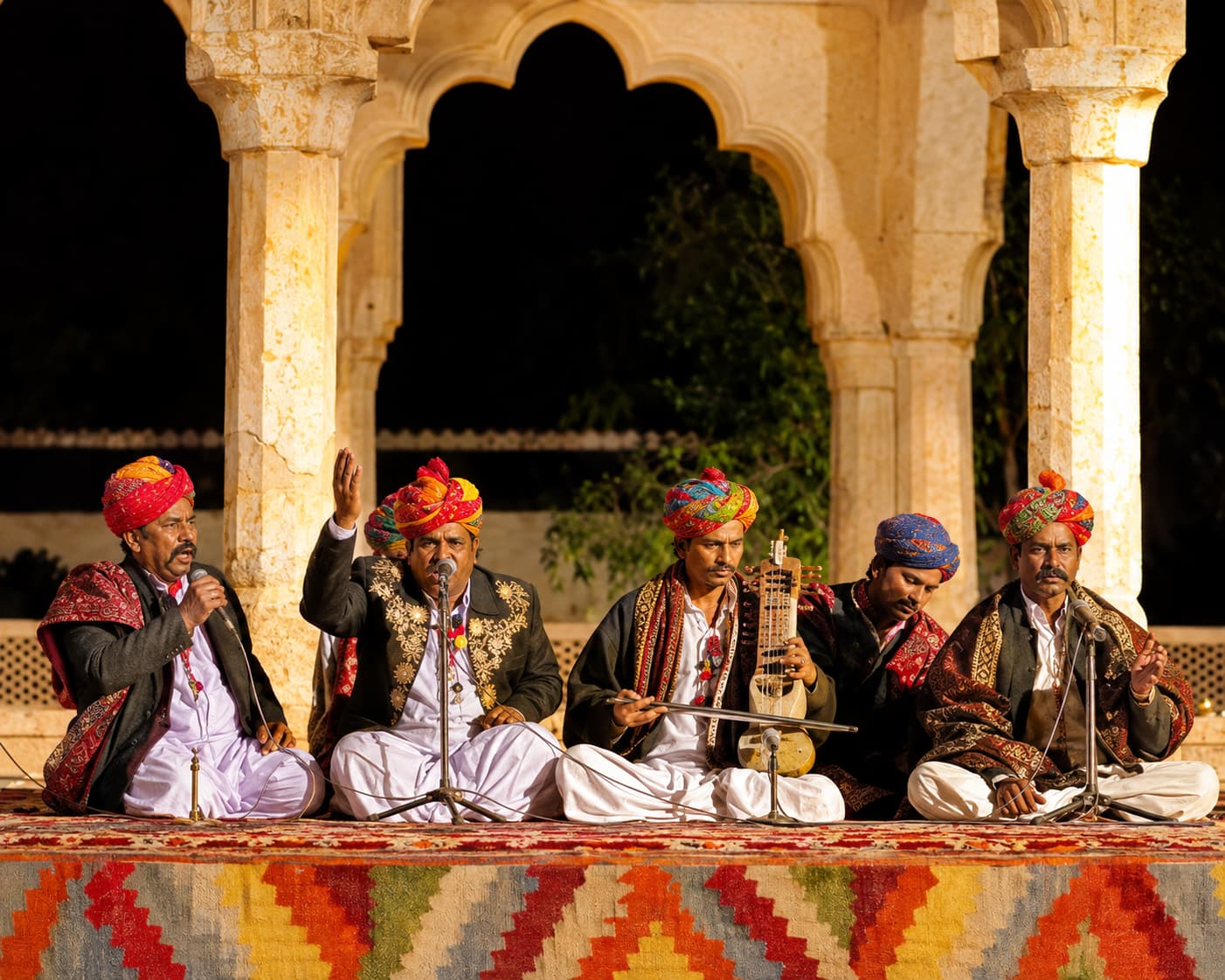
The World Sacred Spirit Festival is a cultural and musical gathering presented by the Mehrangarh Museum Trust. It brings together artists from different regions and traditions to celebrate sacred music, devotional expression and the connections between musical cultures. Its programme has featured Sufi performances, Rajasthani folk music, devotional singing, dance and collaborations between Indian and international artists.
The festival's roots go back to Nagaur, where the event began as the Nagaur Sufi Festival in connection with the conservation of the historic Ahhichatragarh Fort. Over time, it developed into an international platform for sacred and spiritual music, with Jodhpur's Mehrangarh Fort becoming its principal public setting.
What makes the festival distinctive is the way music interacts with its surroundings. Instead of taking place in an ordinary concert hall, performances unfold within historic fort settings that have witnessed centuries of political, artistic and cultural change.
Moreover, the festival is not limited to one musical style or geographical tradition. Its programmes have included Indian devotional music, traditional Rajasthani performances and musical traditions from countries across Asia and beyond. This cultural exchange allows visitors to appreciate both the individuality of each tradition and the ways music can connect people across borders.
Mehrangarh Fort, Jodhpur: Where Music Meets Royal Heritage
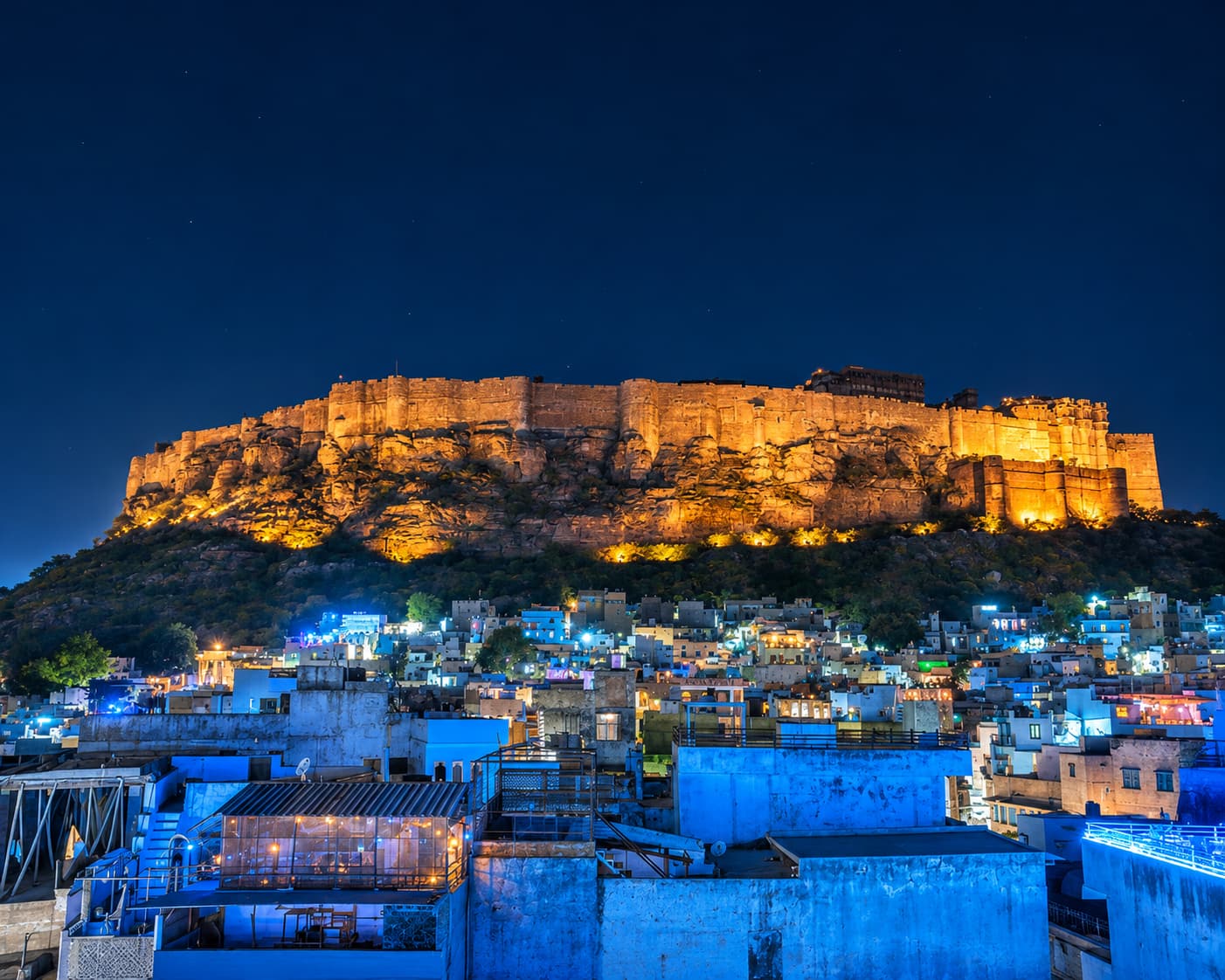
One of the defining features of the World Sufi Festival is its setting at Mehrangarh Fort in Jodhpur. Rising dramatically above the Blue City, Mehrangarh is one of Rajasthan's most impressive historic forts. Rao Jodha began building it in the fifteenth century, and its massive walls, courtyards, palaces and museum collections reflect the history of the Rathore rulers of Marwar. Today, the fort also serves as an important centre for heritage preservation and cultural programming.
During festival performances, the historic setting becomes part of the experience. The architecture provides a sense of scale and continuity, while music brings a different kind of life to its courtyards.
Outside the festival, Mehrangarh deserves time of its own. Visitors can explore its museum displays, admire the intricate details of royal architecture and look across Jodhpur's blue-painted neighbourhoods from elevated viewpoints.
Nearby, Jaswant Thada offers a quieter architectural experience, while Umaid Bhawan Palace reflects a more recent chapter of royal history. In the old city, narrow lanes lead towards markets where visitors can discover spices, textiles, handicrafts and everyday aspects of local life.
Nagaur: Discover the Festival's Historic Roots
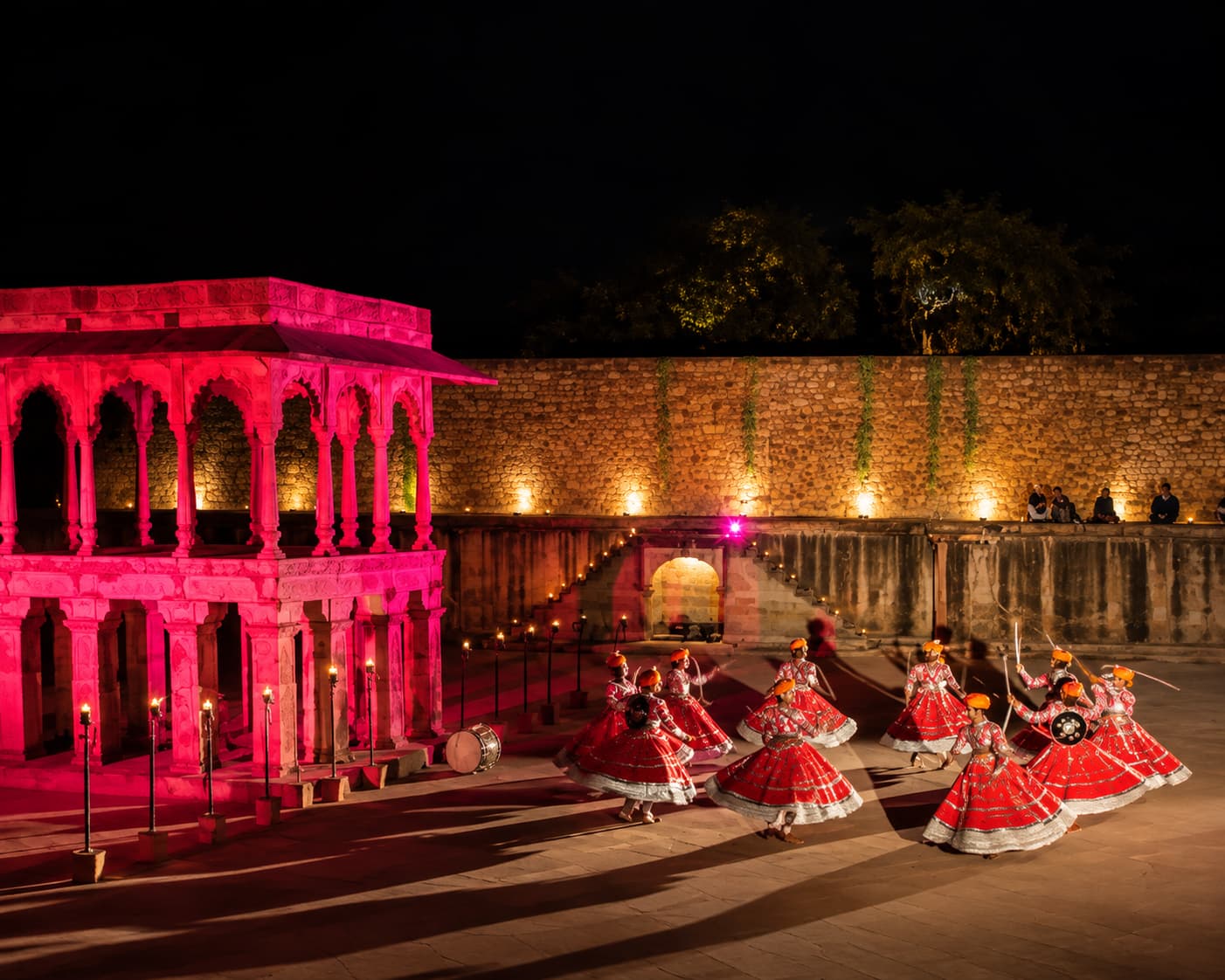
Although Jodhpur is the festival's best-known setting, Nagaur is equally important to its story. The historic Ahhichatragarh Fort, also known as Nagaur Fort, has a long architectural history and features palaces, courtyards, gardens and historic wall paintings. The complex underwent extensive conservation, receiving the UNESCO Asia-Pacific Award of Excellence for Cultural Heritage Conservation in 2002. It also hosts the World Sacred Spirit Festival.
Nagaur offers a different atmosphere from Rajasthan's larger tourist cities. Its heritage spaces invite a slower exploration of regional history, while the surrounding town provides a glimpse of everyday life beyond the better-known palace circuits.
For travellers interested in heritage conservation, traditional architecture and the cultural history of Rajasthan, Nagaur adds depth to a festival-focused itinerary.
Beyond the Festival: Explore the Royal Heritage of Rajasthan
Jaipur: The Pink City of Forts and Palaces
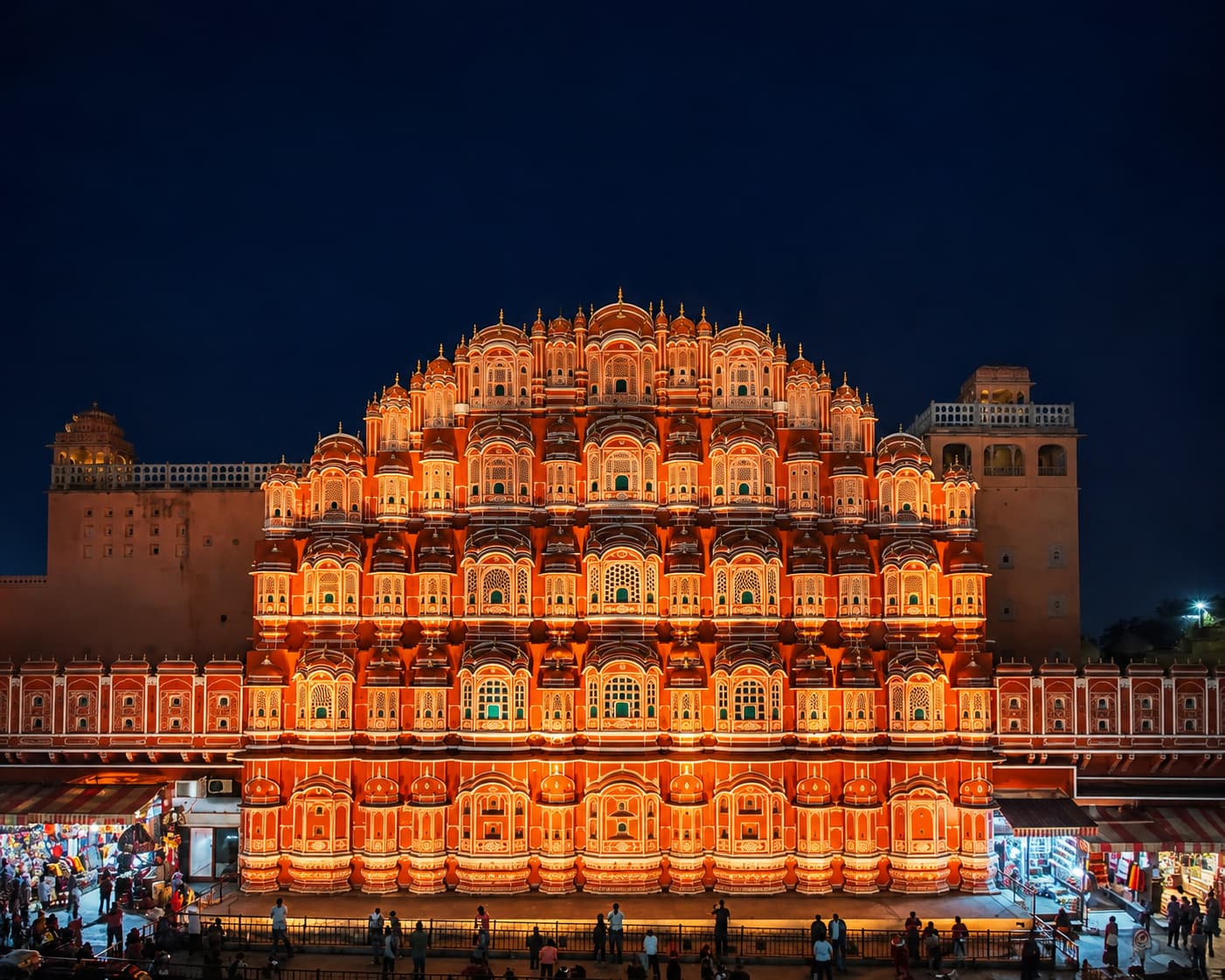
Jaipur introduces visitors to the architectural grandeur and vibrant urban culture of Rajasthan.
At Amber Fort, courtyards, gateways and palace rooms reveal the craftsmanship associated with the region's royal past. Within the city, Hawa Mahal stands out for its distinctive facade, while the City Palace reflects a continuing connection with Jaipur's royal history. Jantar Mantar, the historic astronomical observatory, offers another perspective on India's scientific and architectural heritage.
Yet Jaipur is not simply a city of monuments. Its markets bring together colourful textiles, jewellery, block-printed fabrics, pottery and traditional crafts. Exploring these streets with time to pause and interact respectfully with local artisans can make the experience more meaningful.
Udaipur: Lakes, Palaces and Romantic Landscapes
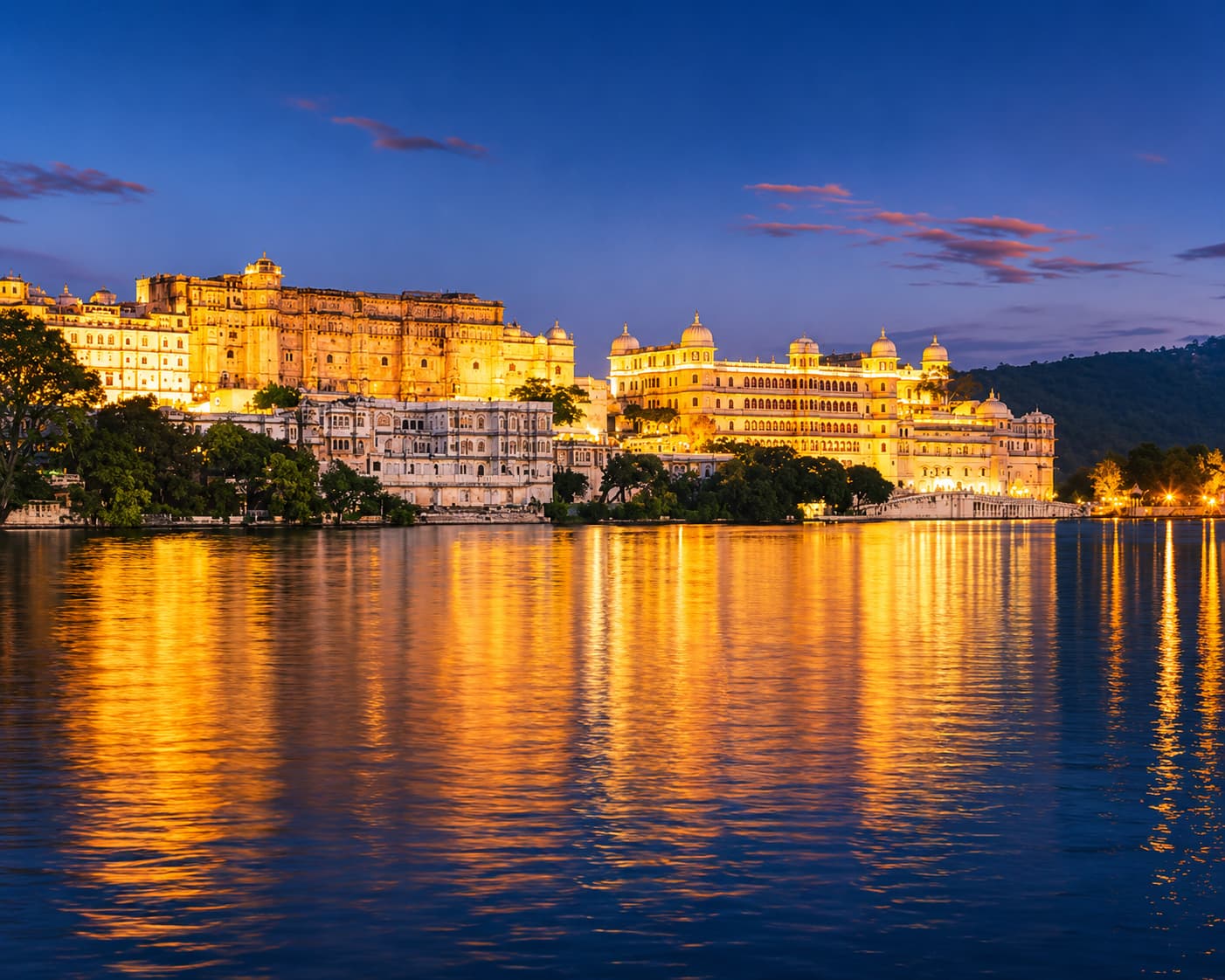
After the energetic streets of Jodhpur, Udaipur offers a gentler pace.
Known as the City of Lakes, Udaipur is celebrated for Lake Pichola, its historic waterfront and the impressive City Palace complex. A boat ride on the lake provides a different view of the city, particularly when the surrounding hills and palace façades catch the changing evening light.
Beyond the waterfront, visitors can explore Jagdish Temple, Saheliyon Ki Bari and the quieter surroundings of Fateh Sagar Lake. Local markets also offer miniature paintings, textiles and other crafts associated with the region.
Udaipur works particularly well for travellers who want a balance of heritage sightseeing and unhurried time. Rather than filling every hour with activities, leave space for lakeside walks, local food and the atmosphere of the old city.
Mount Abu: A Different Side of Rajasthan
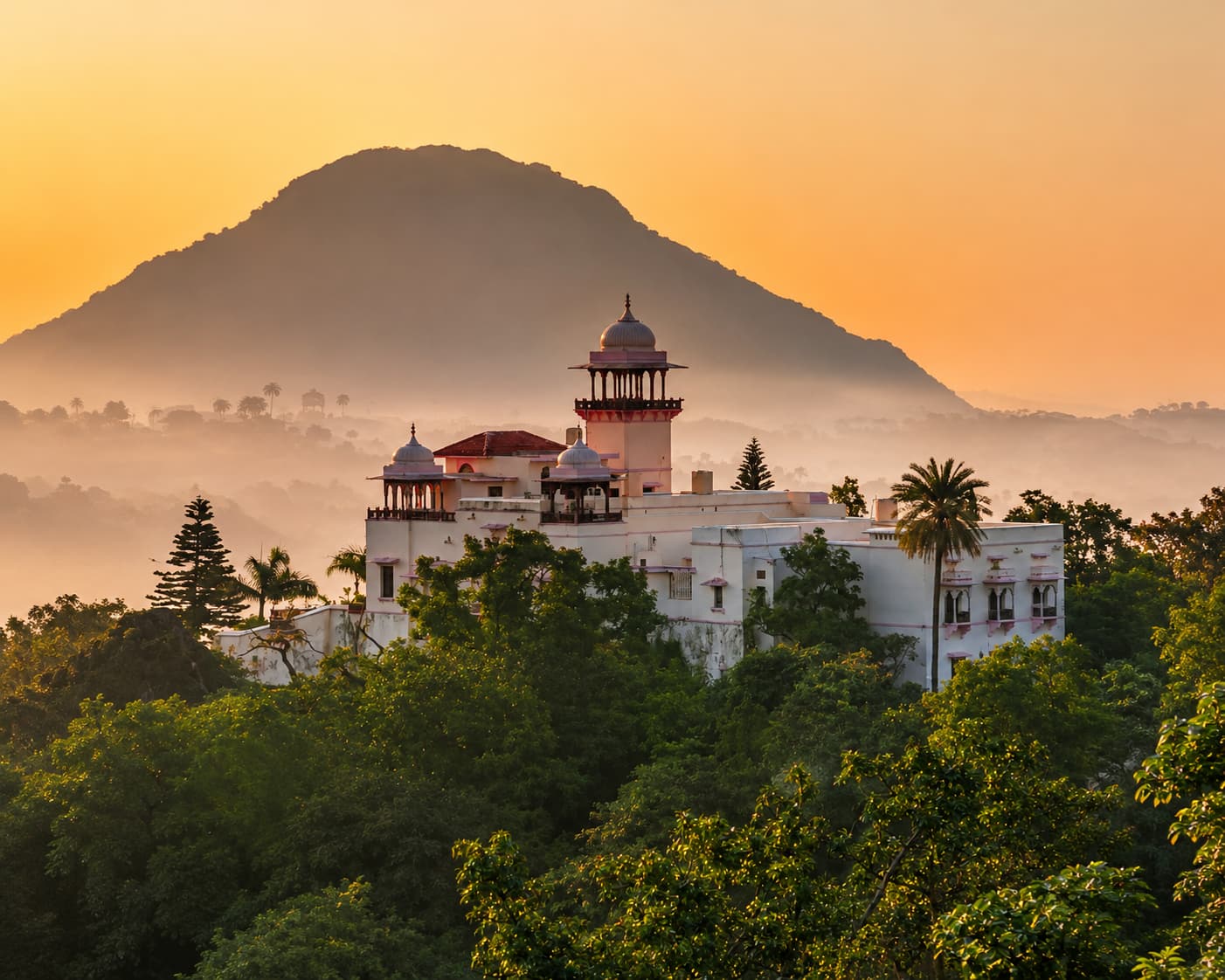
Rajasthan is often associated with dry landscapes and desert horizons. Mount Abu provides a welcome contrast.
Located in the Aravalli Hills, the hill station offers cooler surroundings, scenic viewpoints and a landscape that differs from the state's desert regions. Nakki Lake is a popular place for a leisurely visit, while Sunset Point offers views across the surrounding hills.
The Dilwara Jain Temples are another major attraction, known for their exceptionally detailed marble craftsmanship. Visitors should approach these religious sites respectfully and follow local rules regarding dress, photography and access.
When Is the Best Time to Visit Rajasthan for the World Sufi Festival?
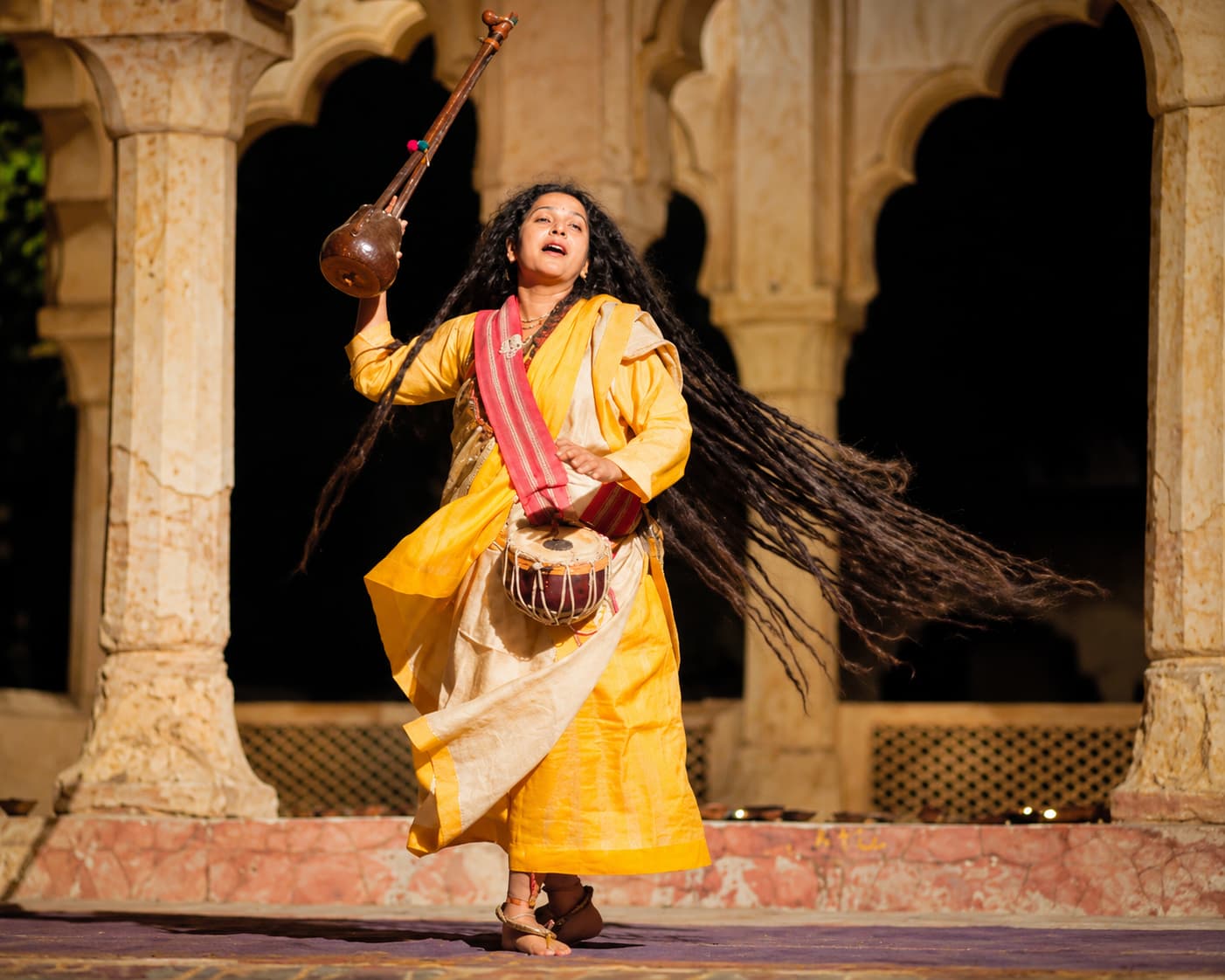
February is an excellent time to explore Rajasthan, particularly for travellers interested in its royal heritage, traditional music and cultural experiences. The winter season brings relatively pleasant daytime temperatures, making it comfortable to explore historic forts, colourful bazaars, traditional villages and architectural landmarks across the state. One of the most fascinating cultural experiences during this period is the World Sacred Spirit Festival 2027, a celebration of Sufi music, spiritual poetry, dance and artistic traditions from India and around the world.
The World Sacred Spirit Festival 2027 is scheduled to take place at Ahhichatragarh Fort, Nagaur (22–24 February), followed by Mehrangarh Fort, Jodhpur (26–28 February). Bringing together Sufi musicians and spiritual artists from across the world, the festival celebrates mystical music, poetry and cultural traditions against the magnificent backdrop of Rajasthan's royal forts. Travellers should check the official website for final confirmation of dates and programmes.
Travellers planning to attend the festival can make their visit even more rewarding by allowing a few additional days to discover Rajasthan. Explore Jodhpur's blue-painted streets, visit the magnificent Umaid Bhawan Palace, discover the historic lanes of Nagaur and experience the region's traditional cuisine and handicrafts. You can also extend your journey towards Jaisalmer, Udaipur or Jaipur to experience the diversity of Rajasthan beyond its festival celebrations.
Discover the Soul of Rajasthan with Great India Travel
Rajasthan offers much more than grand forts and desert views. Its music, craftsmanship, cuisine and living traditions reveal a cultural landscape shaped by centuries of history and exchange.
The World Sacred Spirit Festival provides an opportunity to experience this richness through music, bringing Indian and international traditions together in remarkable heritage settings. Beyond the performances, the journey can continue through Jaipur's royal architecture, Jodhpur's blue lanes, Udaipur's lakes and the quieter hills of Mount Abu.
For travellers who want to experience India rather than simply see its famous landmarks, combining a cultural event with a thoughtfully planned heritage journey can make the difference between an ordinary holiday and a more meaningful travel experience.
Begin planning your Rajasthan journey with Great India Travel. Explore our Rajasthan Royal Heritage Tour and contact Great India Travel to discuss a personalised itinerary built around the World Sufi Festival and the destinations you most want to discover.