
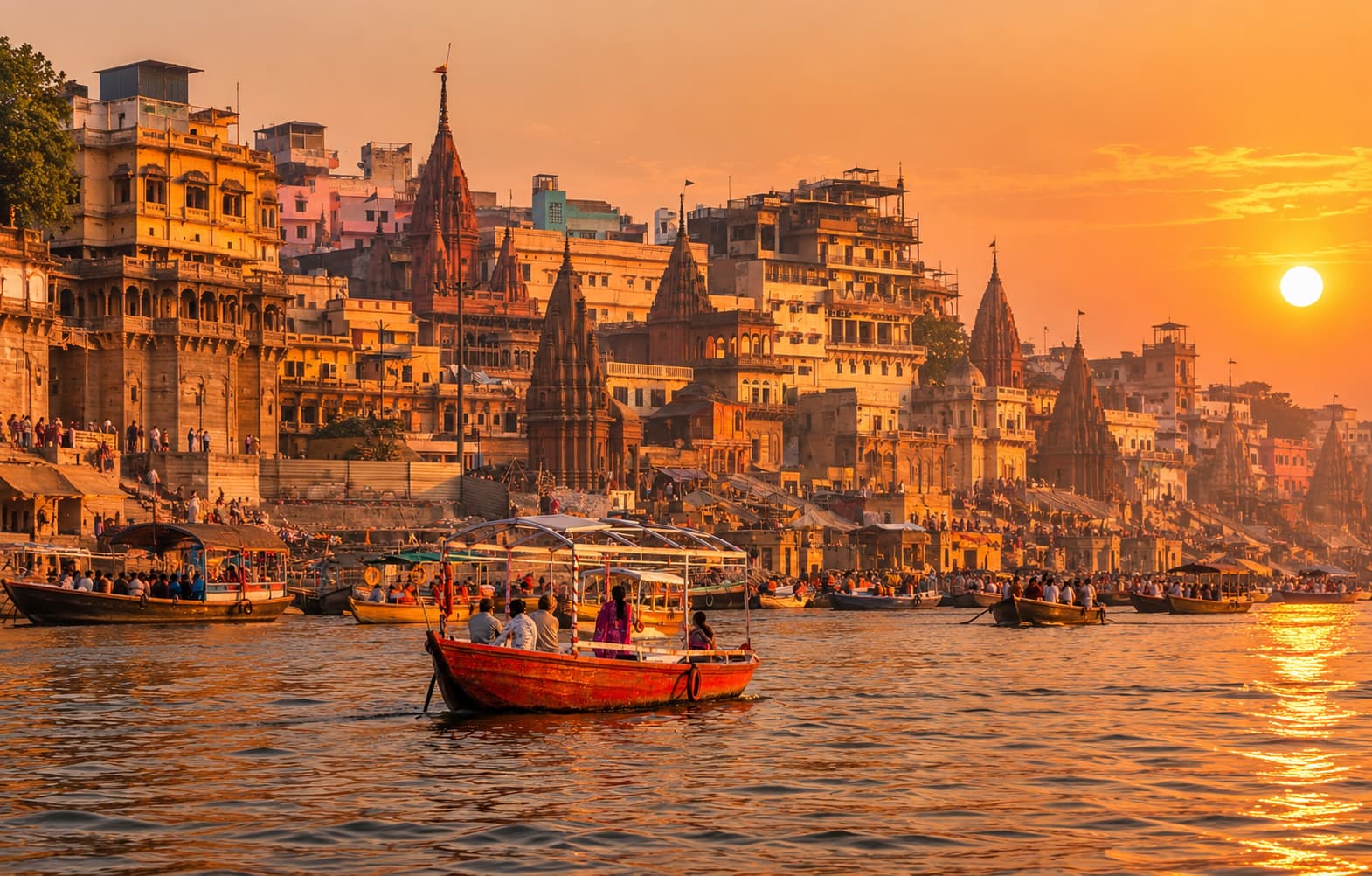
Some places capture your attention with beautiful landscapes, while others connect with you through their stories, traditions and people. Varanasi, also known as Banaras, offers all these experiences in one extraordinary destination. Situated on the banks of the sacred River Ganga in Uttar Pradesh, India, this ancient city invites travellers to discover a world of spirituality, vibrant street life, remarkable architecture and timeless cultural traditions.
For international travellers, exploring Varanasi means experiencing India beyond its famous monuments. Here, the morning begins with prayers beside the river, narrow streets come alive with the aroma of freshly prepared food, and centuries-old customs remain part of everyday life. Meanwhile, the evening Ganga Aarti transforms the riverfront into a gathering place filled with devotional music, glowing lamps and the sound of temple bells.
From the peaceful sunrise at Assi Ghat Varanasi to the bustling lanes of the old city, every corner offers a different perspective on Banaras. Furthermore, the city's famous temples, traditional silk weaving, classical music, local cuisine and spiritual heritage create an experience that stays with visitors long after their journey ends.
Varanasi: An Ancient City Full of Life
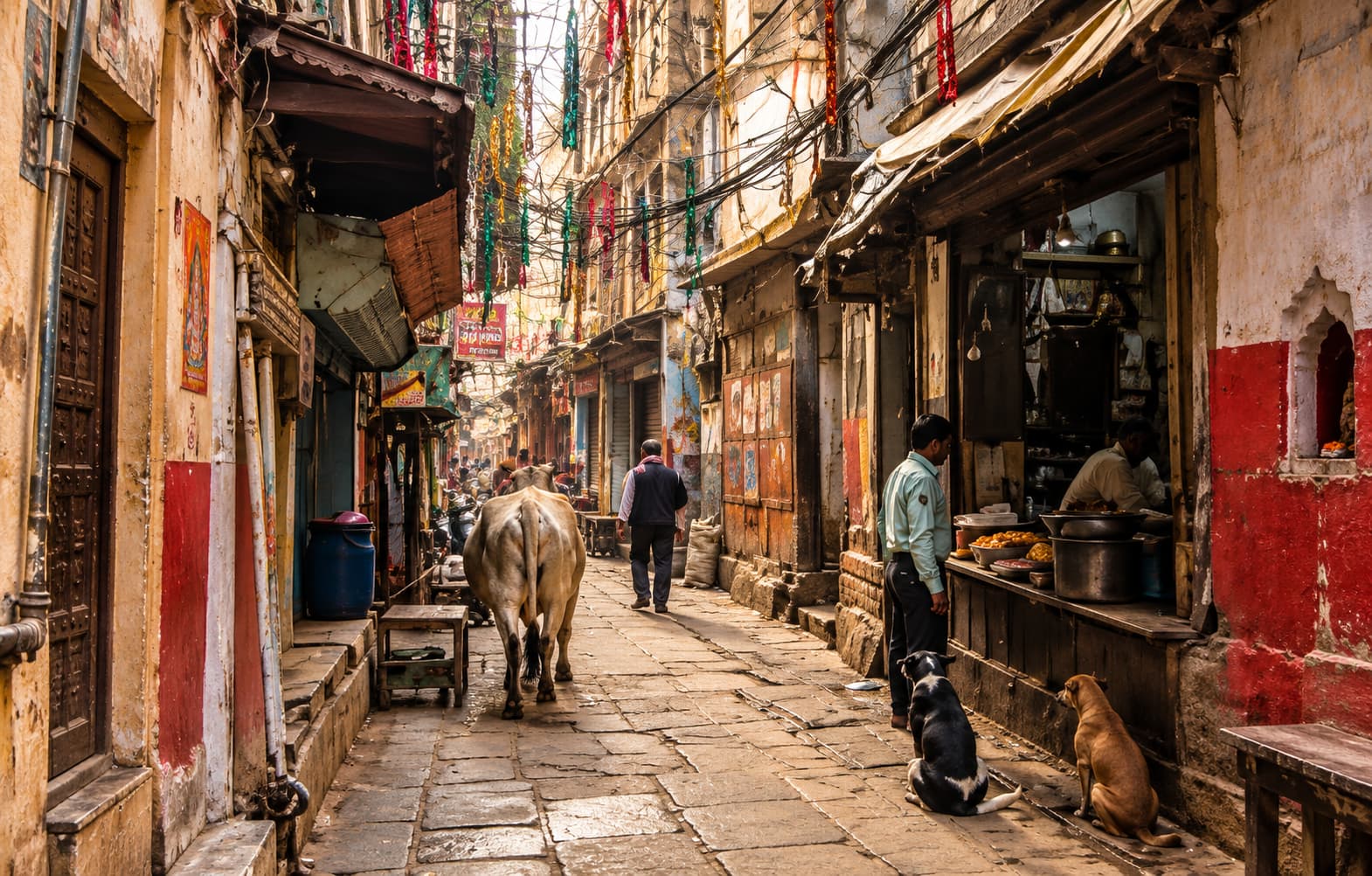
Varanasi stands among the world's oldest continuously inhabited cities and continues to attract pilgrims, historians, artists and travellers from across the globe. People commonly use the names Varanasi and Banaras to refer to the same city, while Kashi serves as another traditional name with deep religious significance.Some places capture your attention with beautiful landscapes, while others connect with you through their stories, traditions and people. Varanasi, also known as Banaras, offers all these experiences in one extraordinary destination. Situated on the banks of the sacred River Ganga in Uttar Pradesh, India, this ancient city invites travellers to discover a world of spirituality, vibrant street life, remarkable architecture and timeless cultural traditions.
The city's identity reflects thousands of years of religious learning, cultural exchange and artistic achievement. Hindu traditions associate Varanasi closely with Lord Shiva and the sacred River Ganga. At the same time, its educational institutions, music traditions, crafts and local markets contribute to a vibrant cultural landscape.
Unlike a historical site preserved only for visitors, Banaras remains a living city. Residents continue their daily routines beside the river, families maintain traditional customs, and artisans pass their skills from one generation to the next.
As you walk through the streets, you may encounter a small shrine beside a busy shop, a musician practising classical melodies or a vendor preparing a traditional breakfast. These everyday scenes reveal why Varanasi offers much more than conventional sightseeing.
The Famous Ghats of Varanasi: Stories Along the River Ganga
Assi Ghat Varanasi: Experience the City at Sunrise
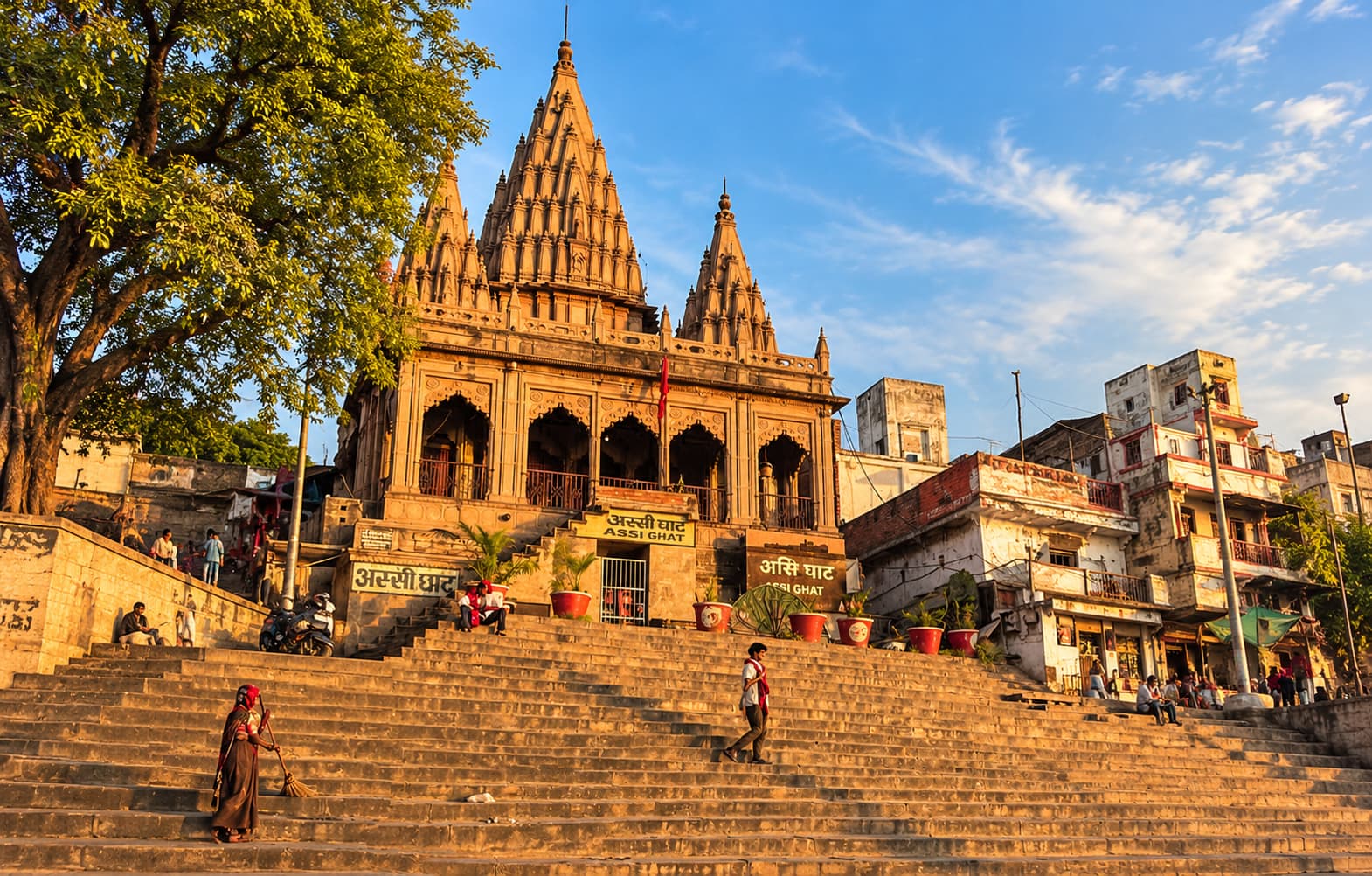
A visit to Varanasi feels incomplete without spending time at Assi Ghat. Located along the southern stretch of the city's famous riverfront, Assi Ghat Varanasi offers a memorable introduction to the spiritual atmosphere and everyday rhythms of Banaras.
Arrive before sunrise, and you will see the riverfront gradually awaken. Local residents gather for morning prayers, yoga practitioners begin their sessions, and boatmen prepare their boats for visitors. As the sky brightens, the Ganges reflects the changing colours of the morning while devotional music adds to the peaceful atmosphere.
One of the best-known experiences at Assi Ghat is Subah-e-Banaras, a morning programme associated with yoga, devotional music, prayers and rituals dedicated to the rising sun. Consequently, this location attracts both spiritual seekers and travellers who want to experience local culture at a relaxed pace.
Beyond its religious significance, Assi Ghat has developed into a lively neighbourhood with cafés, guesthouses, food stalls and streets that attract students, artists and international visitors. Therefore, it offers an interesting combination of traditional life and contemporary travel culture.
Dashashwamedh Ghat and the Ganga Aarti
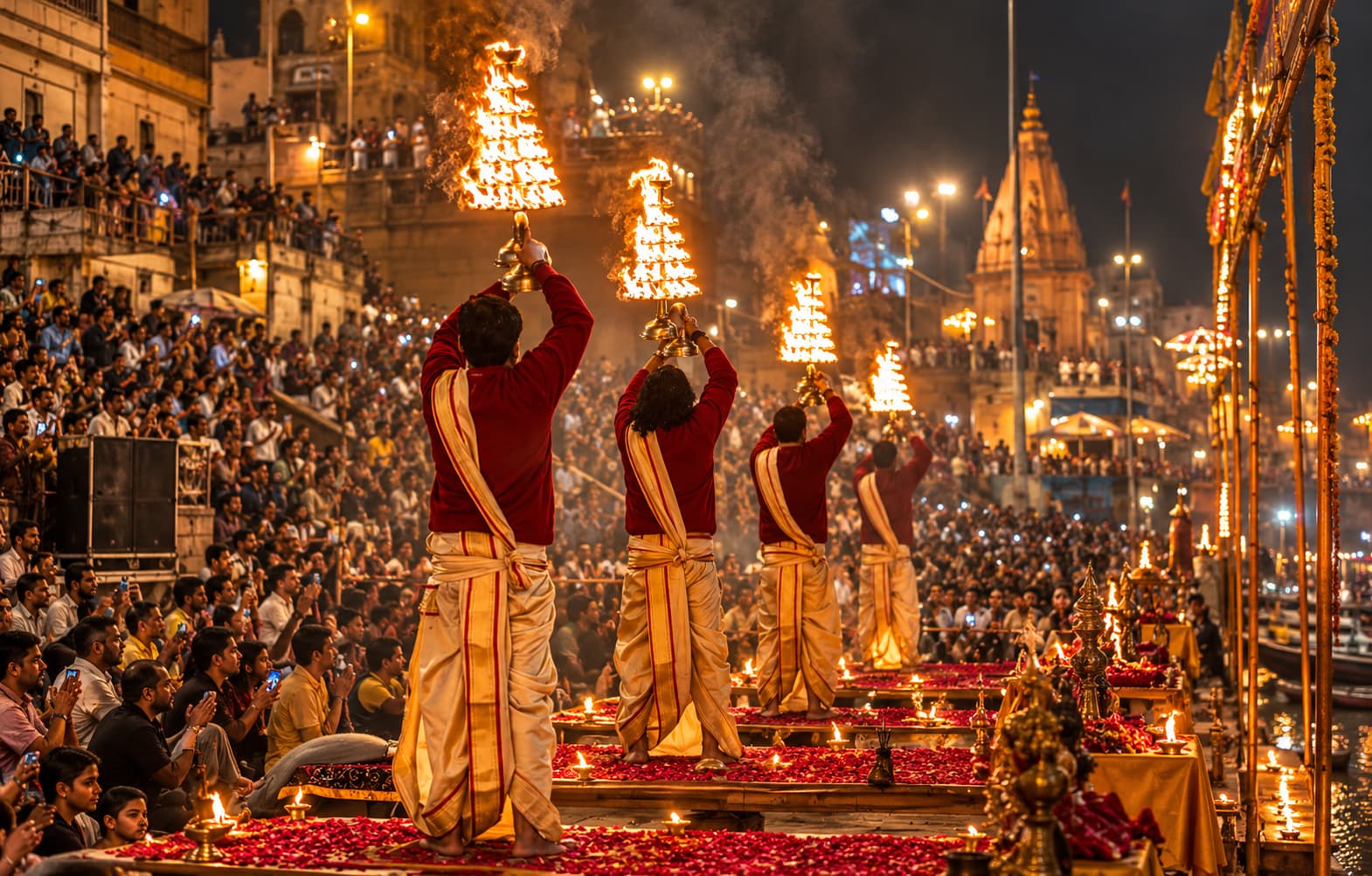
Dashashwamedh Ghat is one of the most famous attractions in Varanasi, particularly because of its evening Ganga Aarti. Every evening, priests perform a devotional ceremony featuring lamps, incense, bells and coordinated ritual movements.
As darkness settles over the river, visitors gather along the steps and in boats to witness the ceremony. The glow of the lamps, the rhythm of the chants and the movement of the crowd create an atmosphere that many travellers remember as a highlight of their visit.
Manikarnika Ghat: Understanding Life and Death
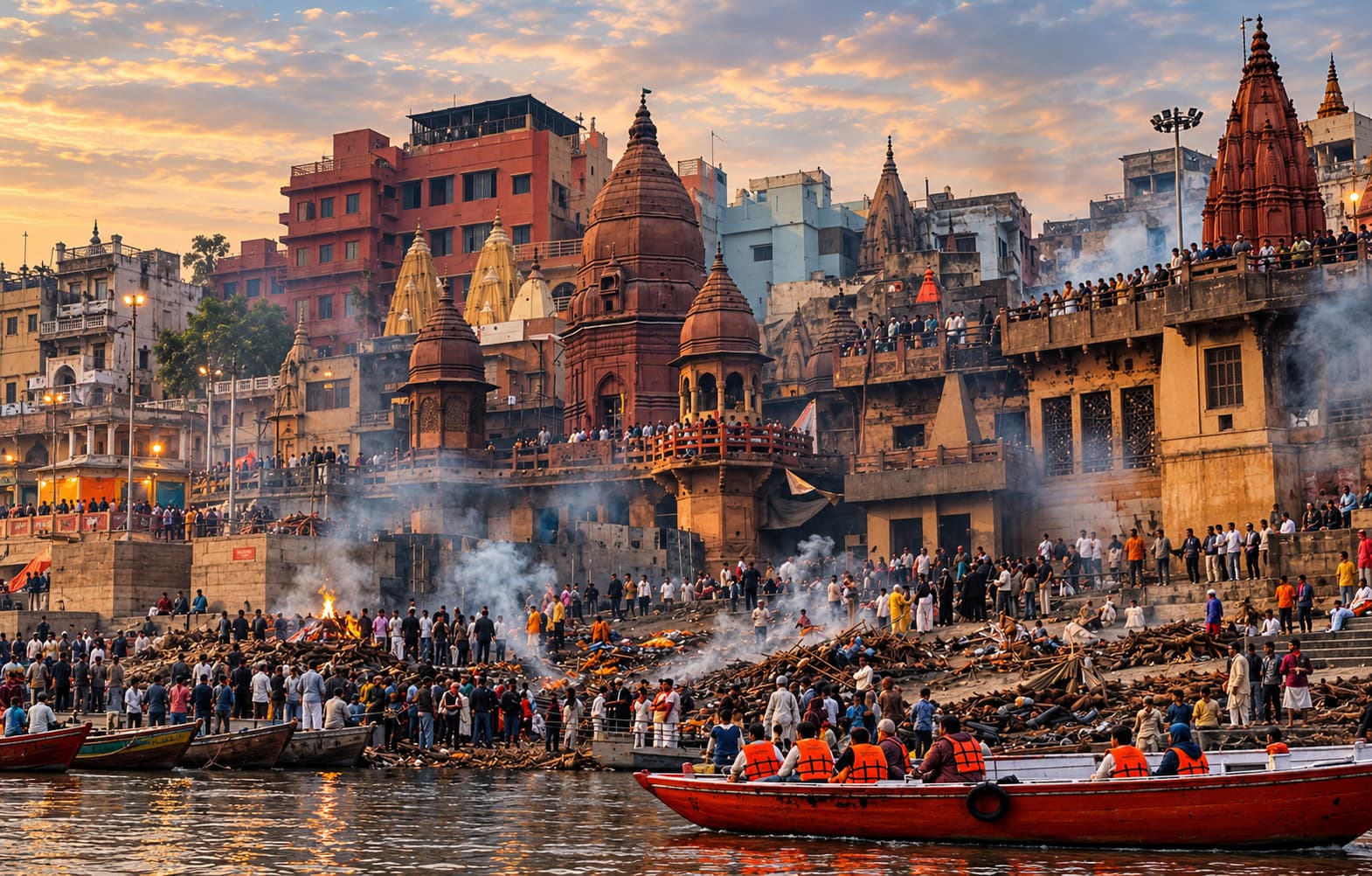
Manikarnika Ghat holds a significant place in Hindu funerary traditions. Families bring their deceased loved ones here for cremation according to religious customs associated with death and liberation.
Although visitors may find the experience unfamiliar, this sacred location deserves sensitivity and understanding. Avoid intrusive photography, give grieving families privacy and follow local guidance throughout your visit.
Spirituality in Banaras: Discover the Sacred Side of Varanasi
Spirituality shapes the identity of Varanasi in ways that visitors can experience throughout the day. Temple bells ring across the neighbourhoods, residents offer prayers beside the river, and devotional songs form part of the city's soundscape.
For many Hindus, Banaras represents a sacred destination associated with Lord Shiva, the River Ganga and the pursuit of moksha, or liberation from the cycle of rebirth. These beliefs have attracted pilgrims for generations and continue to influence the city's religious life.
Kashi Vishwanath Temple
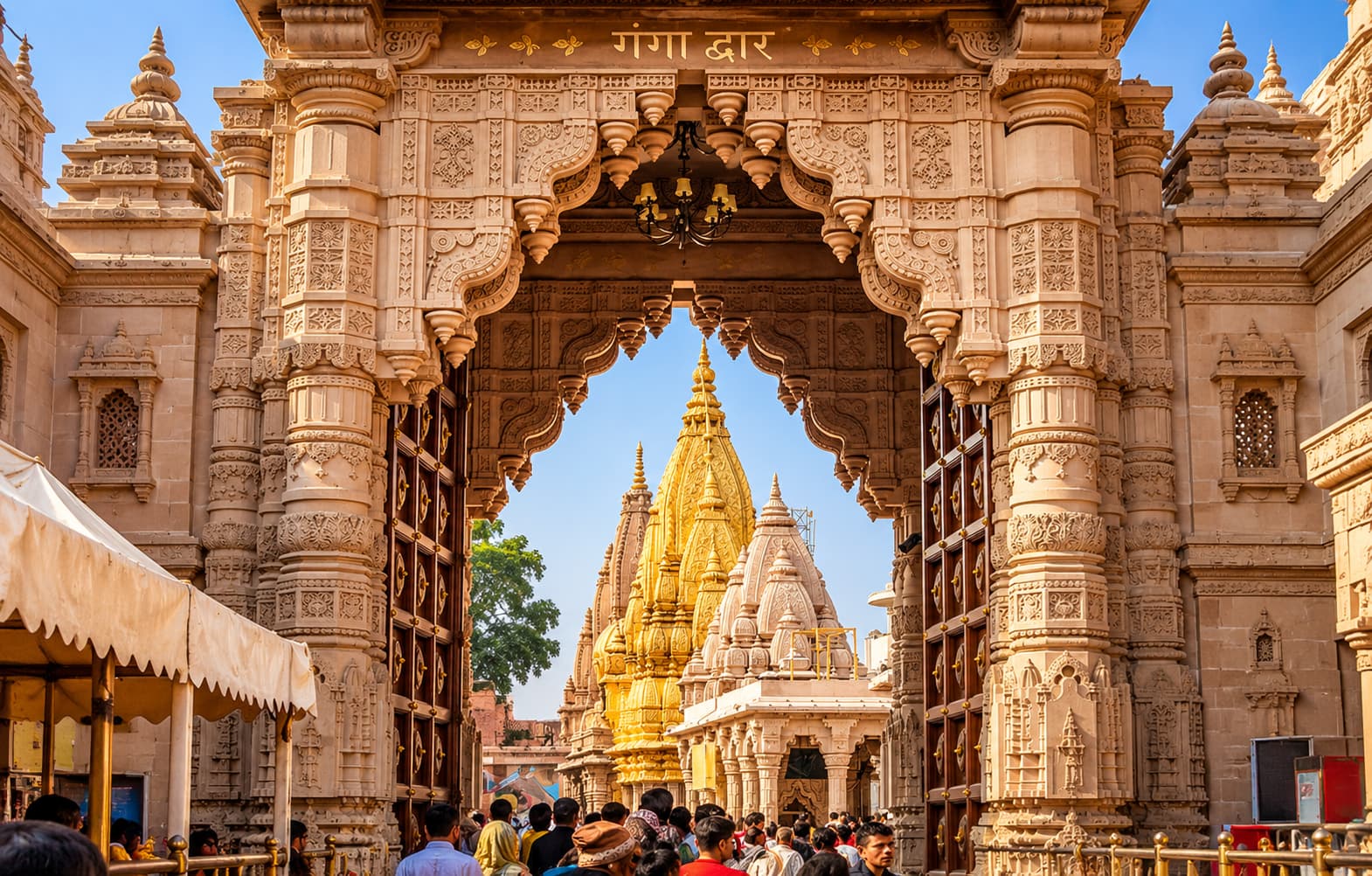
Dedicated to Lord Shiva, Kashi Vishwanath Temple ranks among India's most revered Hindu temples. Pilgrims travel from different parts of the country to offer prayers and experience its religious significance.
The temple sits within the historic heart of Varanasi, making it an important stop for visitors exploring the city's spiritual heritage. Before travelling, check current opening hours, entry procedures, security rules and restrictions on personal belongings through official sources.
Yoga and Meditation in Varanasi
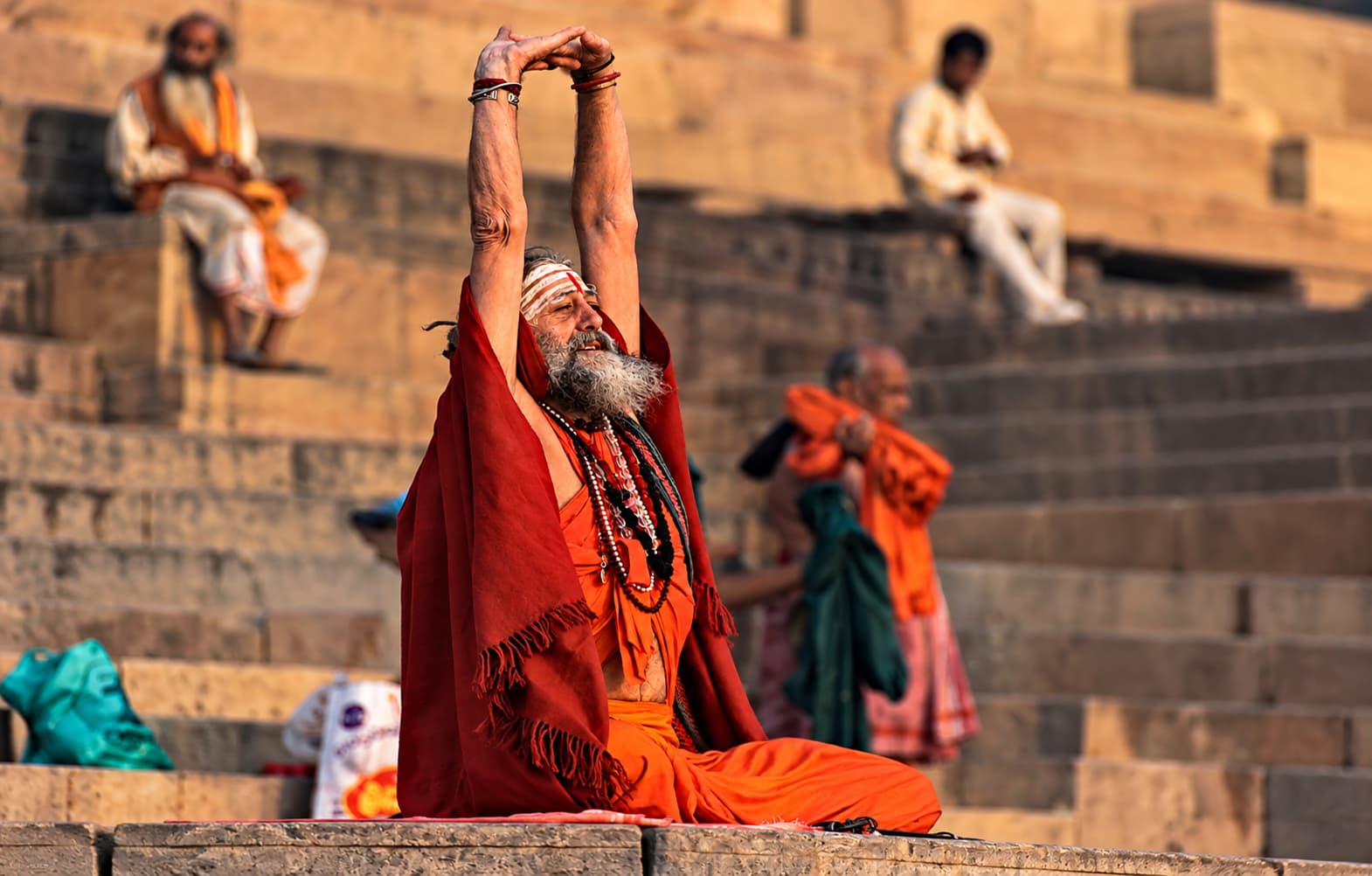
Varanasi offers opportunities to explore yoga, meditation and other contemplative practices. Early mornings at Assi Ghat create a particularly peaceful setting, while local centres may organise classes and guided sessions.
Alternatively, you can simply sit beside the river, watch the sunrise and listen to the sounds of the city. Sometimes, these quiet moments provide a more personal connection with Banaras than a tightly scheduled sightseeing programme.
Sarnath: A Journey into Buddhist Heritage
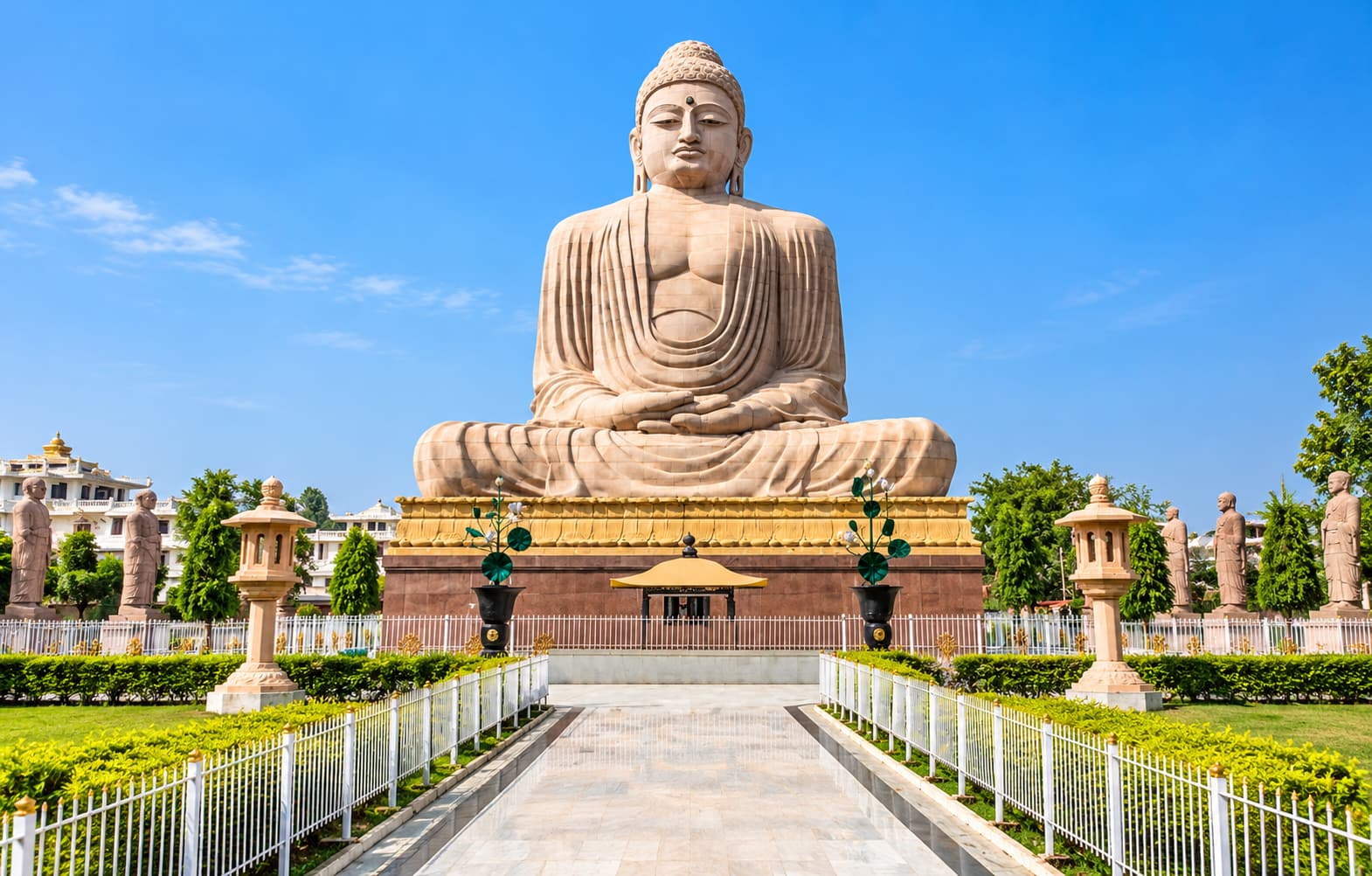
Located a short distance from Varanasi, Sarnath holds an important place in Buddhist history. According to Buddhist tradition, Gautama Buddha delivered his first sermon here after attaining enlightenment.
Visitors can explore the Dhamek Stupa, archaeological remains, monasteries and other sites associated with Buddhist heritage. Consequently, a visit to Sarnath broadens your understanding of the region's spiritual history beyond Hindu traditions.
Banarasi Food: Explore the Authentic Flavours of Varanasi
Kachori Sabzi: A Traditional Banarasi Breakfast
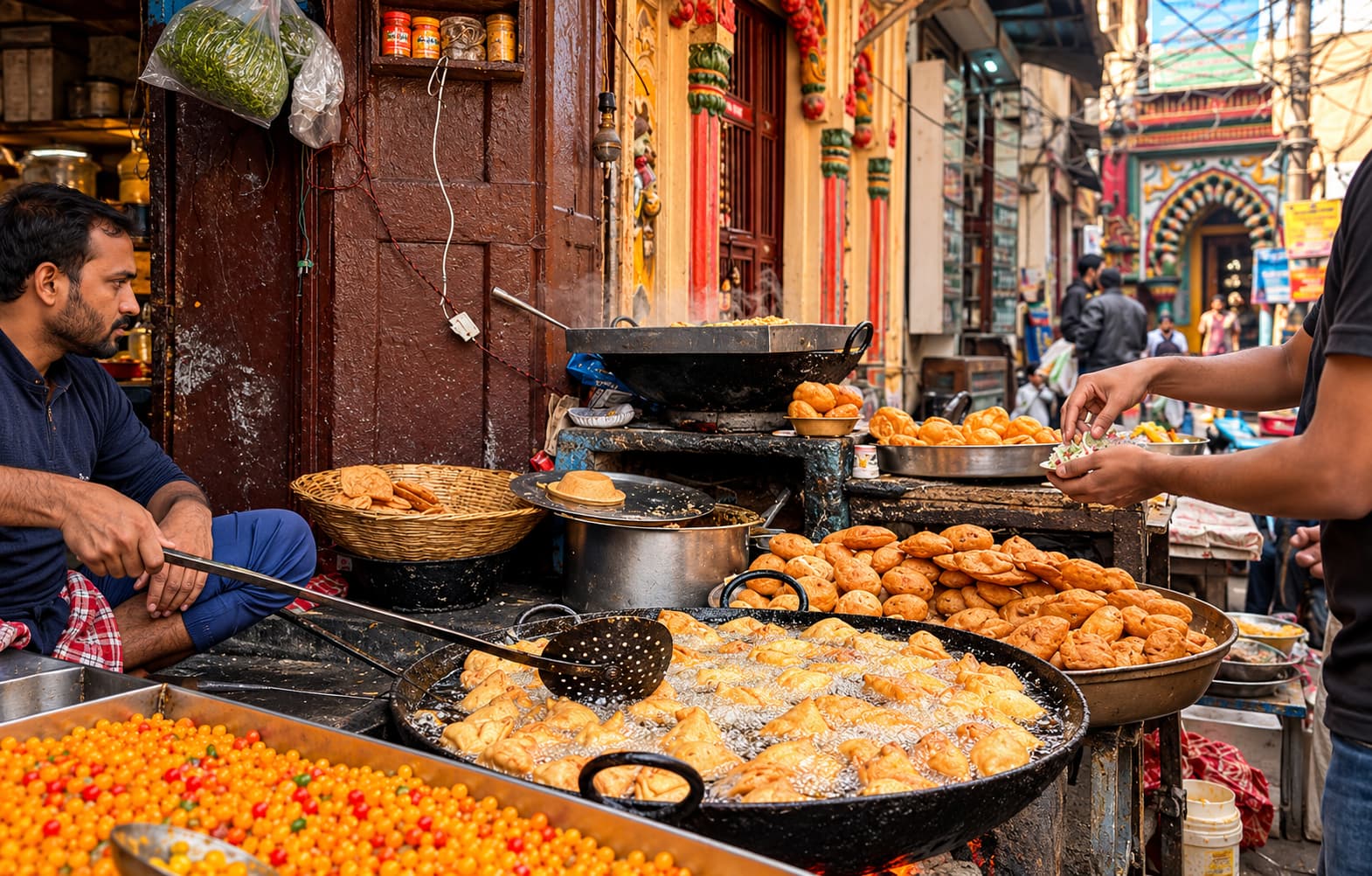
Food forms an essential part of the Banaras experience. The city's culinary traditions bring together distinctive spices, traditional recipes, seasonal ingredients and lively street-food culture.
From early-morning breakfasts to evening snacks, Varanasi offers something for travellers who enjoy discovering a destination through its cuisine. Furthermore, many popular dishes reflect local customs and the daily routines of residents.
Banarasi Tamatar Chaat
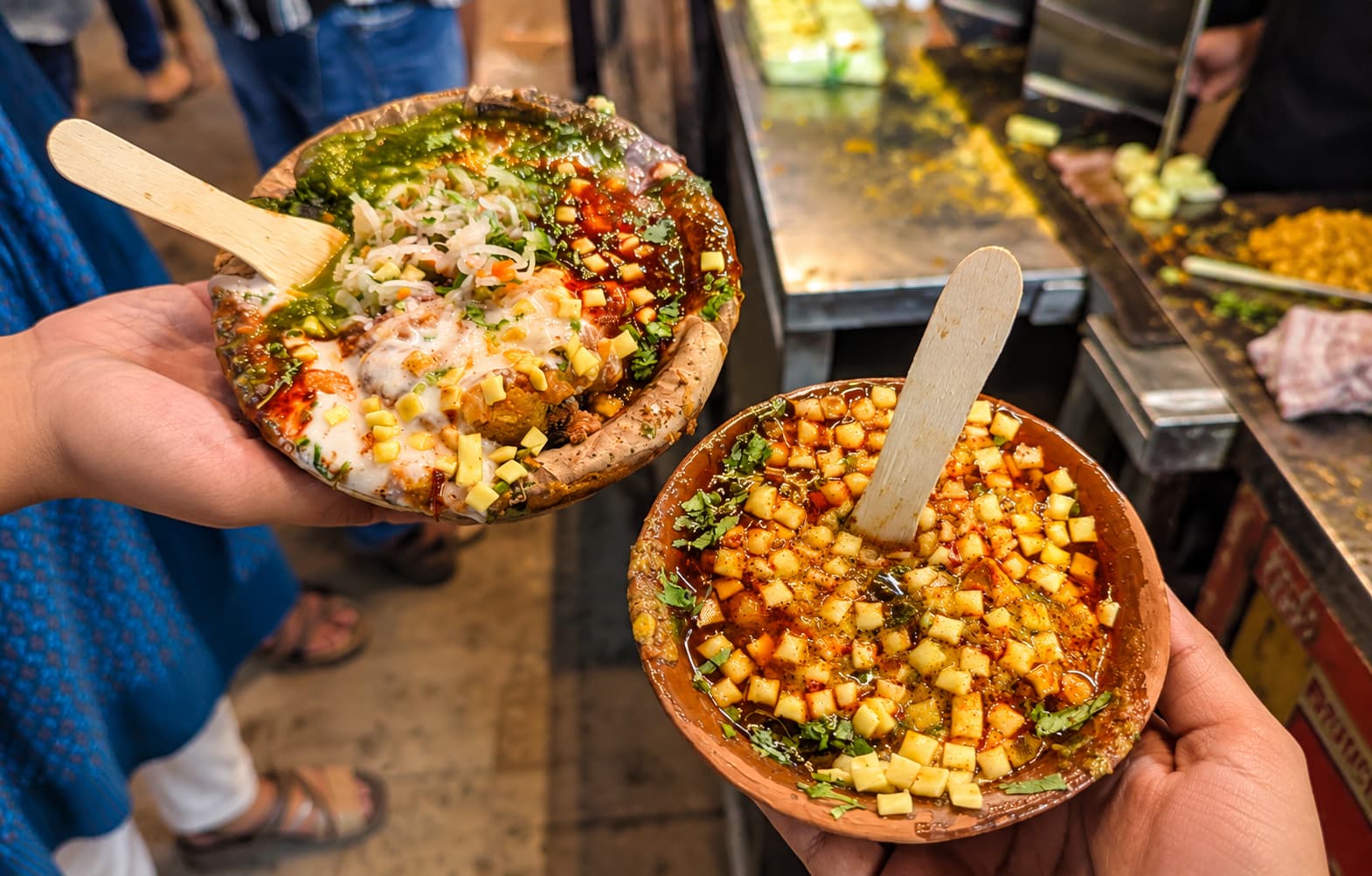
Banarasi Tamatar Chaat offers a distinctive combination of tangy, spicy and savoury flavours. Vendors prepare variations using tomatoes, spices and other ingredients, creating a dish that reflects the city's love of bold street food.
As you explore the old city, look for busy food stalls where locals gather. However, choose vendors with good food-handling practices and consider your spice tolerance before ordering.
Banarasi Lassi, Sweets and Paan
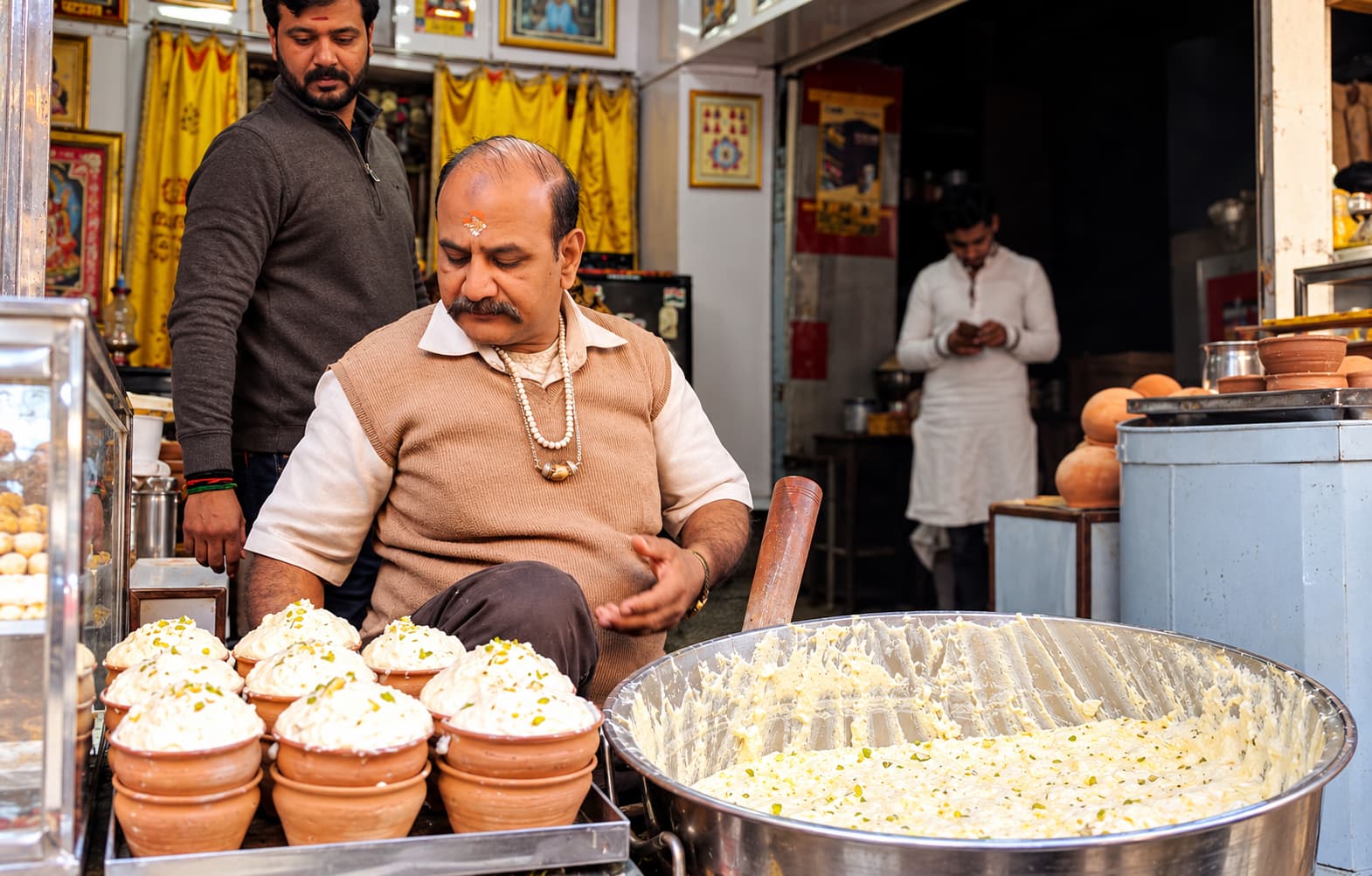
A glass of Banarasi lassi provides a refreshing break between sightseeing stops. Local sweet shops also offer traditional treats that showcase the region's fondness for rich flavours and carefully prepared desserts.
Banarasi Paan remains one of the city's best-known culinary traditions. Vendors prepare it using betel leaves and a variety of fillings, and many people associate it with local hospitality and social customs.
Festivals of Varanasi: Celebrations That Illuminate Banaras
Festivals reveal another dimension of Varanasi's cultural and spiritual identity. Throughout the year, religious celebrations bring communities together through prayers, music, decorations and shared traditions.
Dev Deepawali: A Spectacular Celebration Along the Ganges
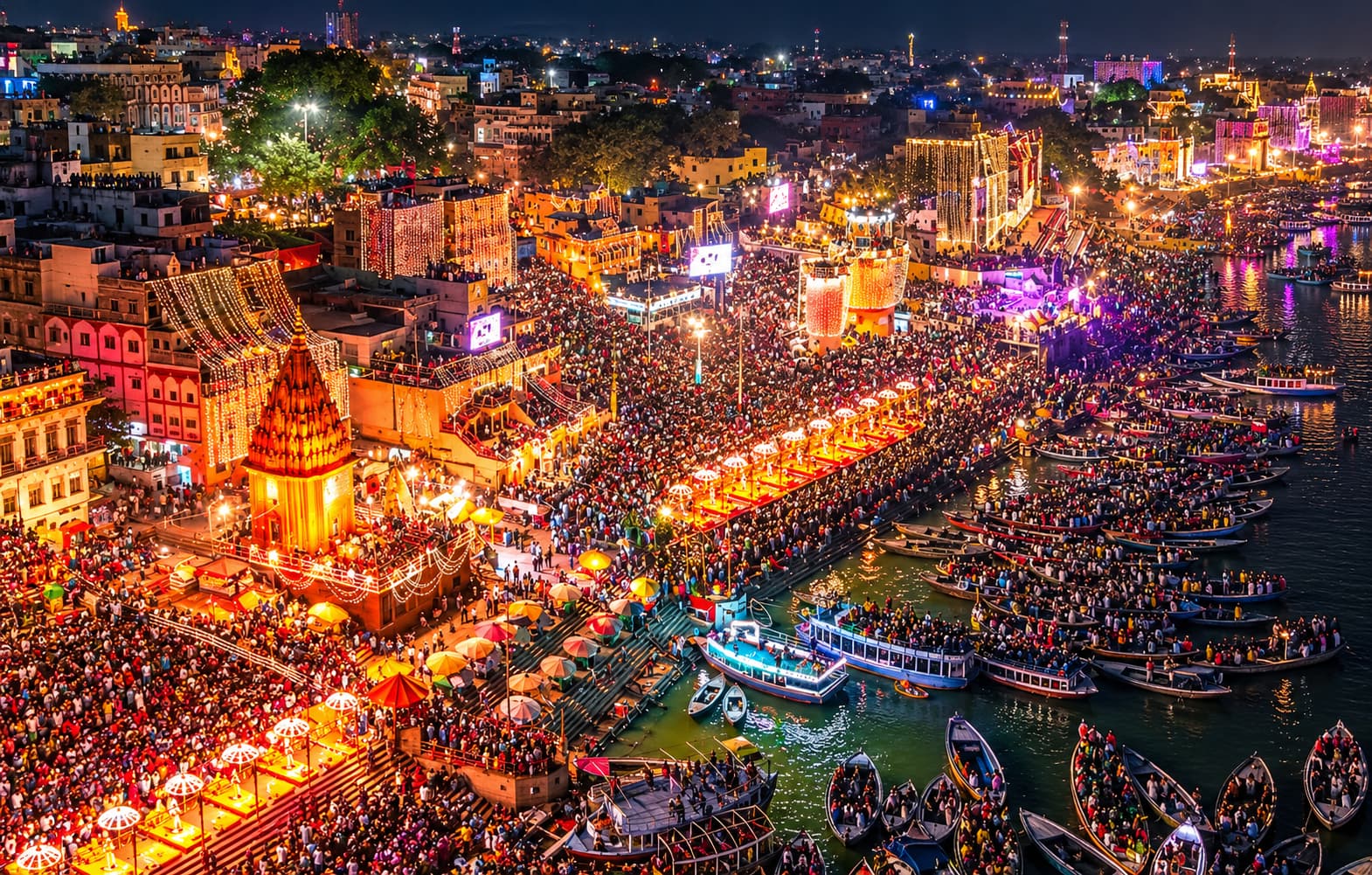
Dev Deepawali is one of the most visually striking celebrations associated with Varanasi. Observed on the full-moon night of the Hindu month of Kartik, it takes place around fifteen days after Diwali.
During the festival, rows of lamps illuminate the ghats, creating a remarkable sight along the riverfront. Visitors often gather to watch the celebrations from the steps, nearby viewpoints and boats.
Best time to visit - In the month of october and november
Maha Shivaratri: Honouring Lord Shiva
Maha Shivaratri holds special significance in Varanasi because of its close association with Lord Shiva. Devotees visit temples, participate in prayers and observe religious customs during the celebration.
For visitors, this festival provides an opportunity to witness the depth of local devotion. Nevertheless, temple areas can become exceptionally busy, so follow official guidance and plan your visit carefully.
Best time to visit - In the month of february and march
Experience the Soul of Varanasi with Great India Travel
Every journey through Varanasi offers a different story. Some visitors come to explore its ancient temples, while others seek spiritual reflection, authentic food, cultural discovery or the unforgettable beauty of the Ganges at sunrise.
With thoughtful planning and local insight, you can discover the many dimensions of Banaras at a comfortable pace. From the peaceful atmosphere of Assi Ghat to the historic lanes of the old city and the remarkable heritage of Sarnath, every experience reveals something new about this extraordinary destination.
Great India Travel invites you to discover Varanasi beyond the usual sightseeing route. Explore its spiritual traditions, savour its local flavours, learn about its cultural heritage and experience the everyday life that makes Banaras so memorable.
Whether you are planning a short visit or a wider journey through India, let the timeless spirit of Varanasi become a meaningful part of your travel story.