
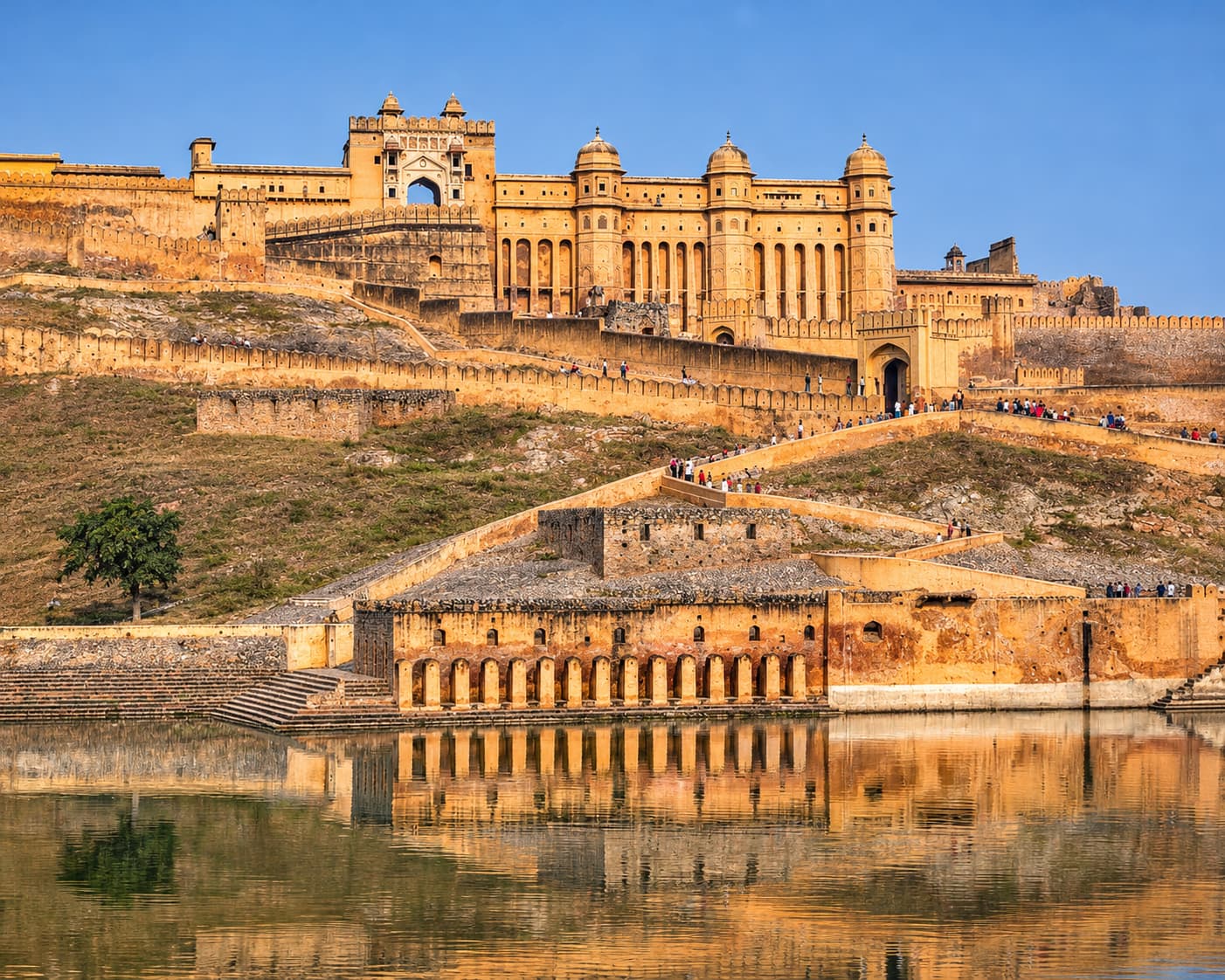
India is a land where history lives through magnificent monuments, ancient temples, royal palaces and centuries-old traditions. From the timeless beauty of the Taj Mahal to the remarkable stone architecture of Hampi, the UNESCO World Heritage Sites in India offer travellers an opportunity to discover the country's extraordinary past. Each destination tells a different story of ancient civilisations, powerful dynasties, artistic achievements and cultural influences that have shaped India over thousands of years.
For international travellers, exploring India's heritage is about much more than visiting famous monuments. It means walking through historic streets, understanding ancient craftsmanship, discovering spiritual traditions and experiencing the stories behind remarkable places. Moreover, these destinations reveal the incredible diversity of Indian architecture, from Mughal masterpieces and Buddhist caves to intricate Hindu temples and historic royal cities.
India currently has 45 UNESCO World Heritage properties, including cultural, natural and mixed heritage sites. Among them, several destinations stand out for their historical significance, architectural beauty and unforgettable travel experiences.
Here are eight remarkable UNESCO World Heritage destinations that deserve a place on every history and culture enthusiast's India travel list.
Taj Mahal, Agra – A Timeless Symbol of Love
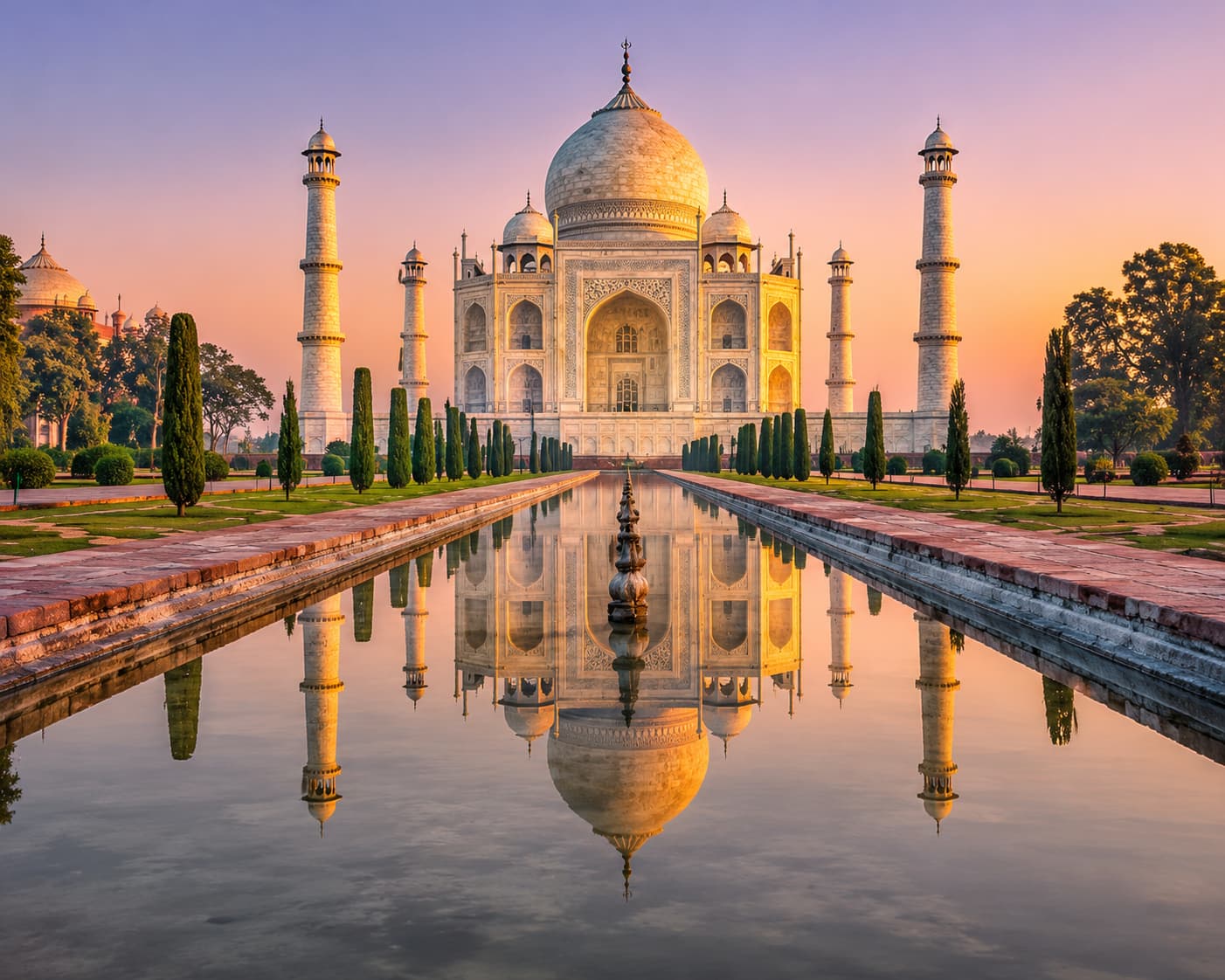
Few monuments capture the imagination of international travellers quite like the Taj Mahal. Situated on the banks of the Yamuna River in Agra, this magnificent white marble mausoleum stands as one of the finest examples of Mughal architecture.
As visitors approach the main structure, its perfectly balanced gardens, elegant minarets and magnificent central dome create an unforgettable impression. Inside and outside, delicate floral patterns, precious stone inlays and intricate calligraphy reveal the exceptional craftsmanship of the artisans who built it.
What makes it special: Its remarkable architecture, romantic history, intricate marble craftsmanship and status as one of the world's most recognisable monuments.
Best experience: Explore the Taj Mahal at sunrise and take time to appreciate the architectural details beyond its famous central dome.
Jaipur City, Rajasthan – Discovering the Royal Heritage of the Pink City
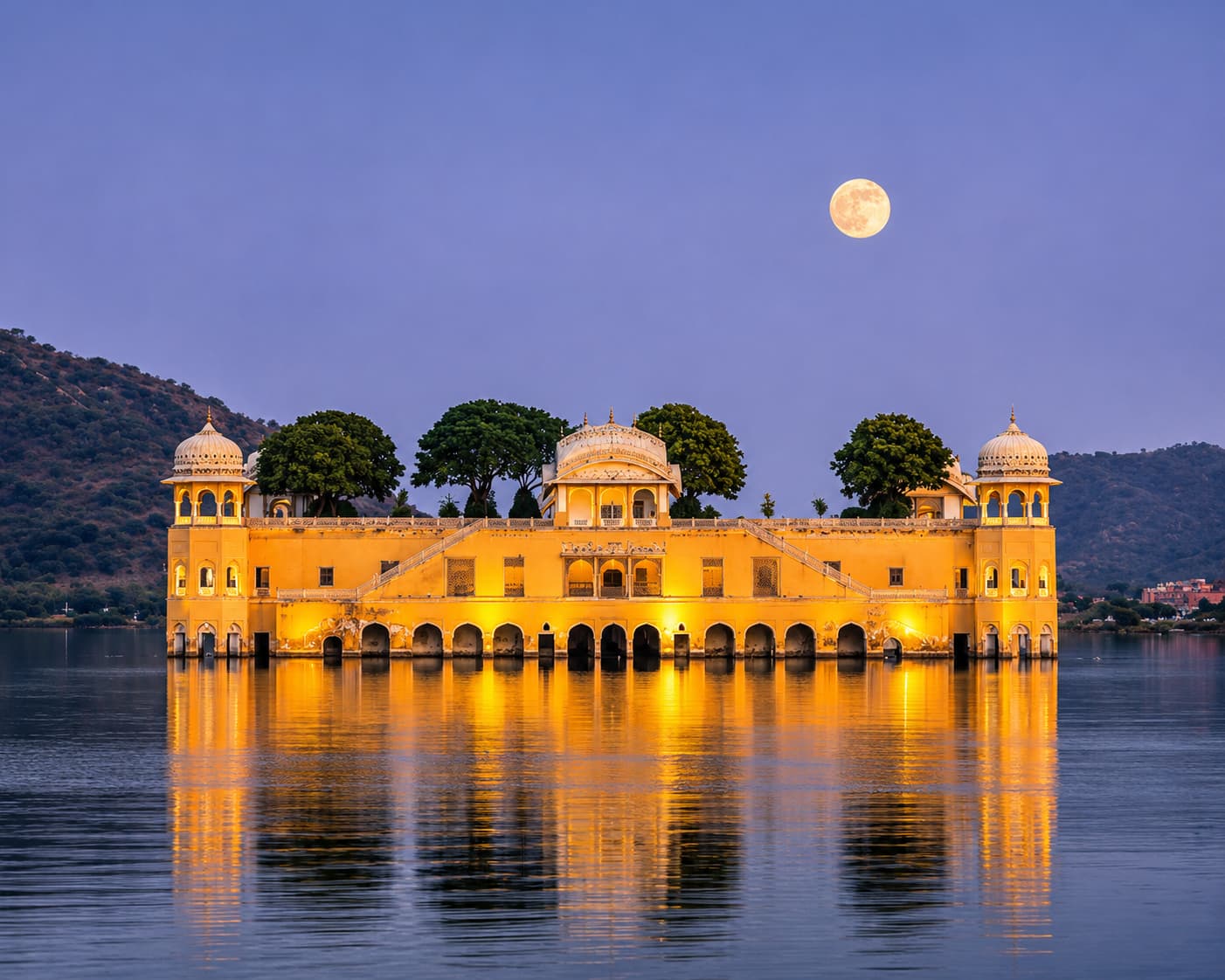
Jaipur, founded in 1727 by Maharaja Sawai Jai Singh II, is renowned for its royal history, traditional architecture and vibrant Rajasthani culture. Its historic city planning and beautifully preserved monuments make it one of India's most fascinating heritage destinations.
The iconic Hawa Mahal, with its hundreds of windows, and the magnificent City Palace offer glimpses into Rajasthan's royal past. Meanwhile, the UNESCO-listed Jantar Mantar showcases the city's remarkable history of astronomy and scientific innovation.
Beyond its monuments, Jaipur's colourful bazaars bring its cultural heritage to life through traditional textiles, block printing, blue pottery, jewellery and local handicrafts.
What makes it special: Royal palaces, historic architecture, traditional craftsmanship and vibrant Rajasthani culture.
Best experience: Explore the old city's heritage landmarks, traditional bazaars and local craft workshops.
Hampi, Karnataka – Exploring the Ruins of a Lost Empire
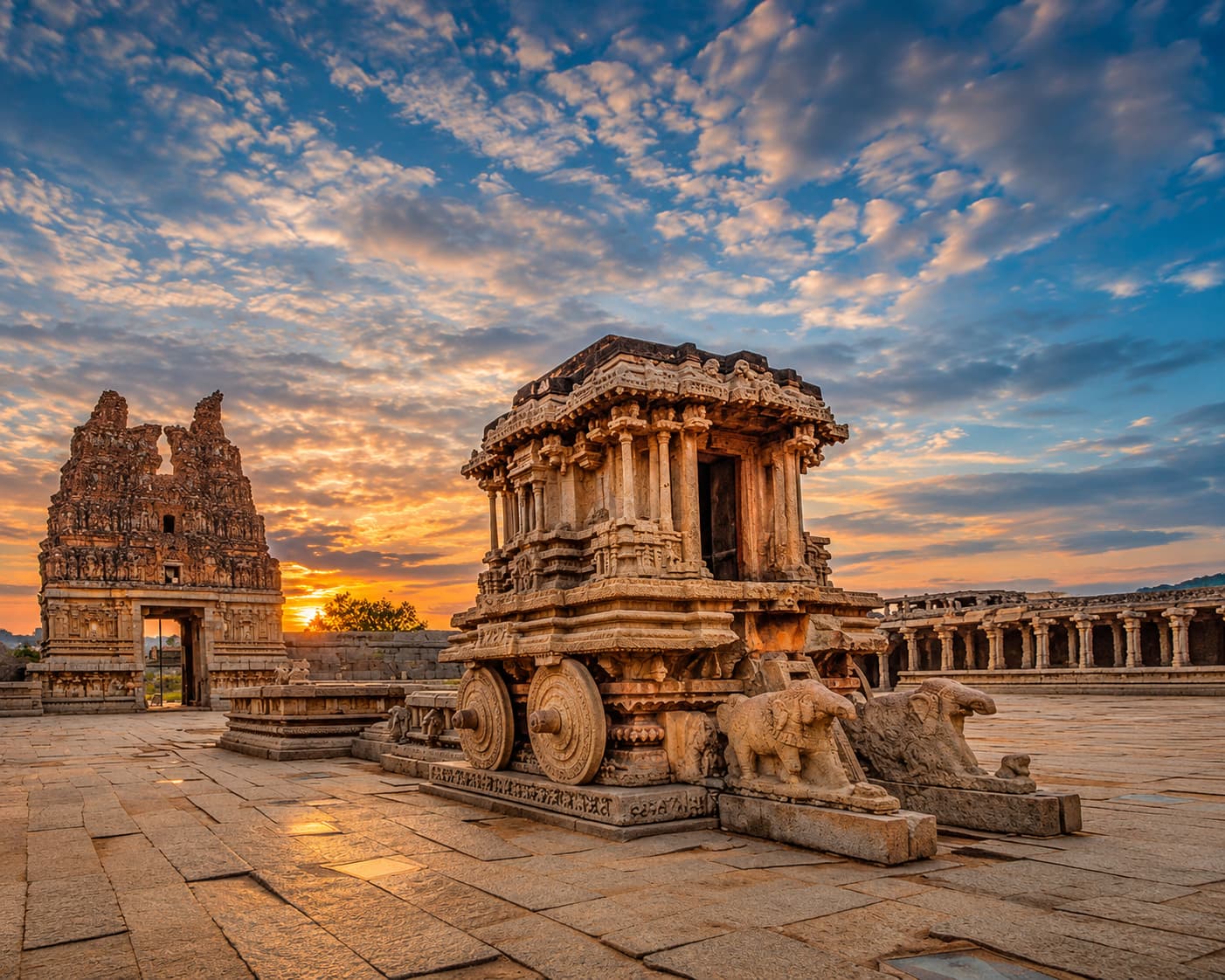
Surrounded by enormous granite boulders, ancient temples and the Tungabhadra River, Hampi offers a remarkable glimpse into India's historical past. Once the capital of the Vijayanagara Empire, it flourished between the 14th and 16th centuries as a centre of trade, art and culture.
The magnificent Vittala Temple, famous for its iconic stone chariot and intricately carved pillars, showcases the architectural brilliance of the Vijayanagara period. Meanwhile, the Virupaksha Temple preserves centuries of religious traditions.
Beyond its temples, Hampi's ancient marketplaces, royal enclosures and historic ruins reveal the grandeur of a once-prosperous empire. Its dramatic landscape of rocky hills, palm trees and riverbanks makes the destination truly distinctive.
What makes it special: Ancient temples, extraordinary stone architecture and the fascinating legacy of the Vijayanagara Empire.
Best experience: Explore the Vittala Temple, discover ancient market streets and enjoy sunset views over Hampi's granite hills.
Ajanta Caves, Maharashtra – Discovering Ancient Buddhist Art
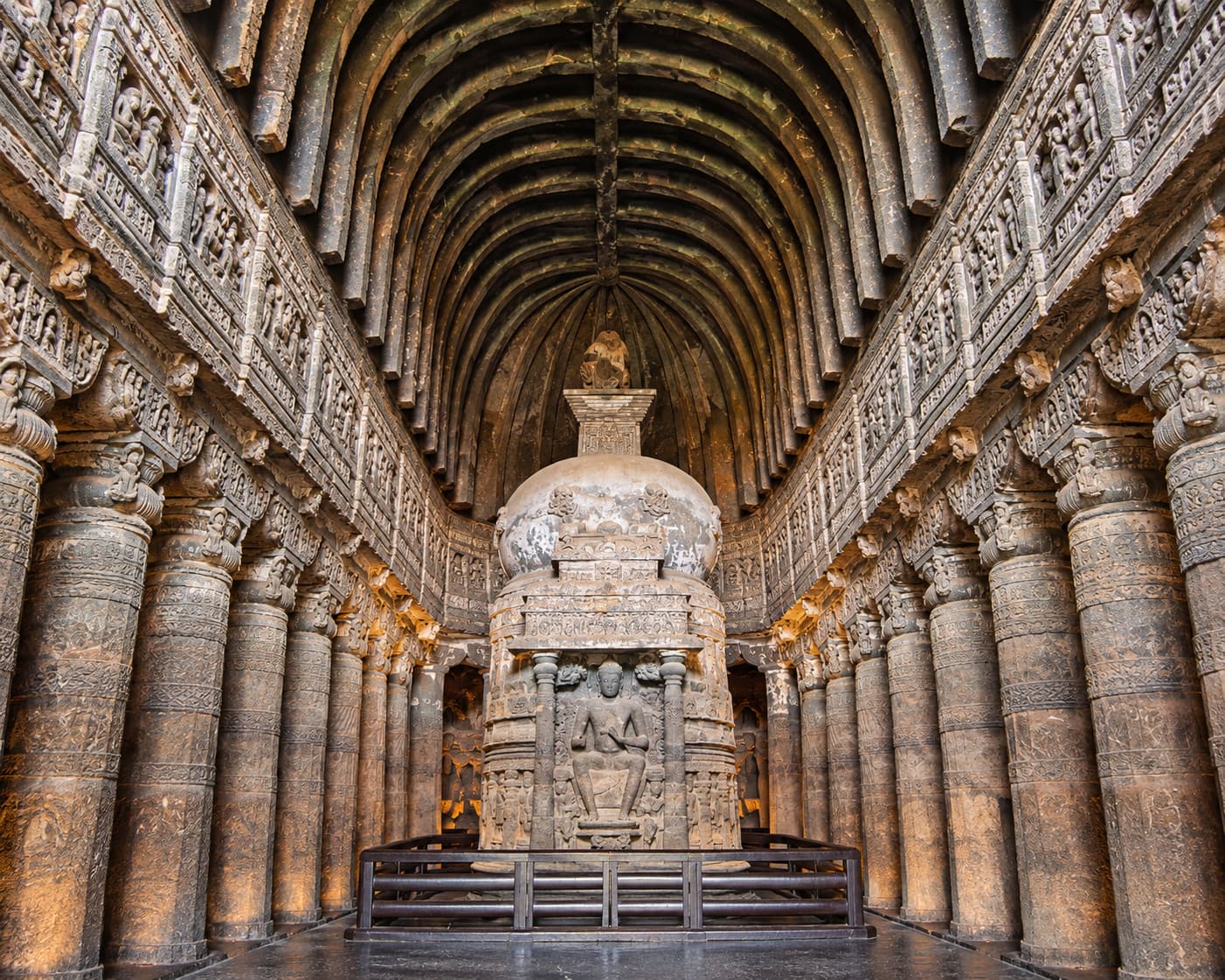
Hidden within a horseshoe-shaped gorge in Maharashtra, the Ajanta Caves showcase India's ancient Buddhist heritage and artistic traditions. Dating back to around the 2nd century BCE, these rock-cut caves once served as monasteries and prayer halls for Buddhist monks.
The caves are particularly famous for their centuries-old paintings depicting stories from the Jataka tales, scenes from Buddha's life and glimpses of ancient Indian society. Their colours and intricate details reflect remarkable artistic skills.
Beautifully carved pillars, Buddha sculptures and elaborate cave interiors further highlight the architectural achievements of ancient India. Together, these artworks offer insights into the religious and cultural traditions of the time.
What makes it special: Ancient Buddhist paintings, rock-cut architecture and centuries-old artistic traditions.
Best experience: Explore the painted caves with a knowledgeable guide to understand the stories and symbolism behind the artwork.
Ellora Caves, Maharashtra – Where Three Religious Traditions Meet
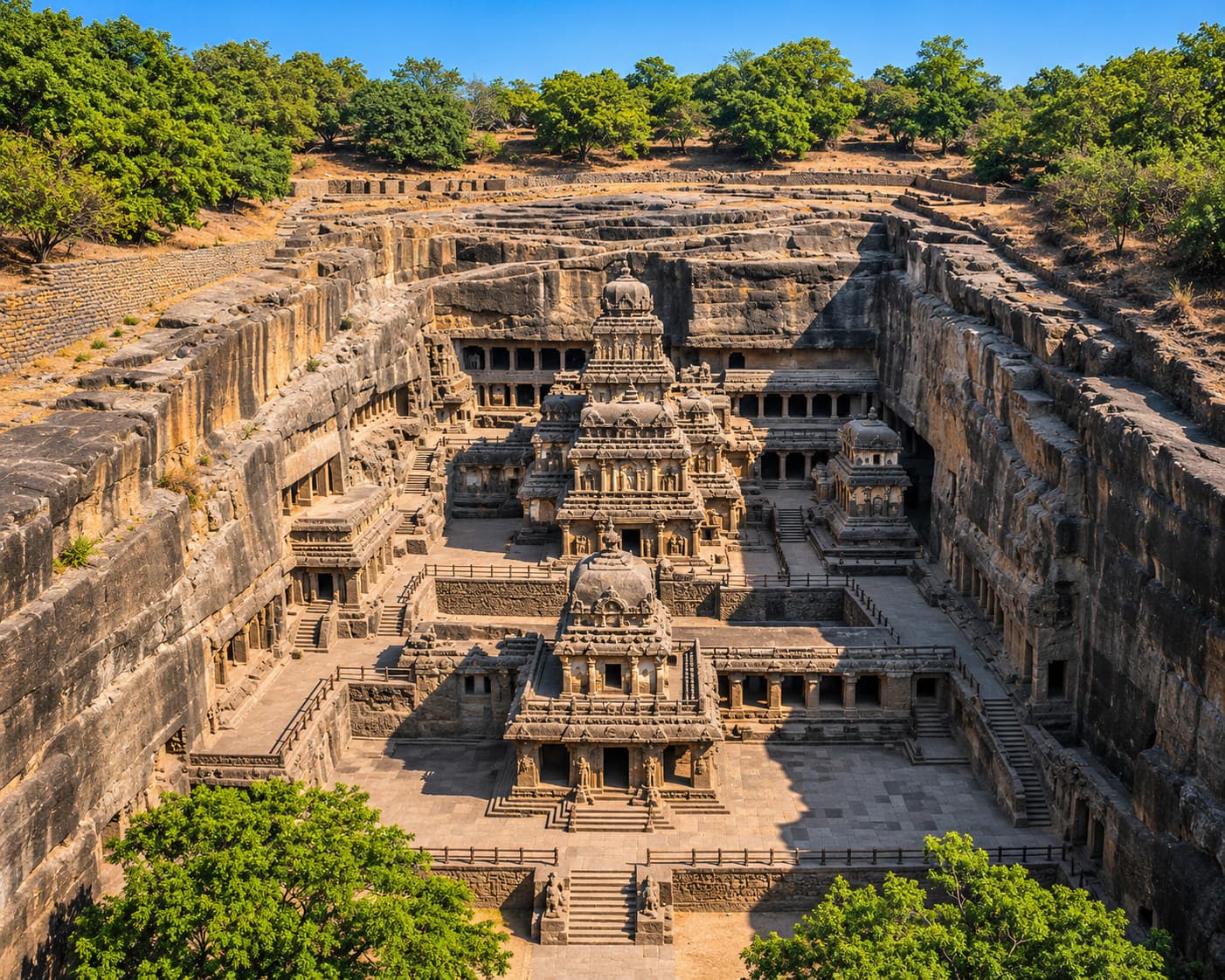
The Ellora Caves in Maharashtra showcase an extraordinary chapter of India's architectural and religious history. Built between the 6th and 10th centuries CE, the complex features 34 major caves representing Buddhist, Hindu and Jain traditions.
Its most remarkable attraction is the Kailasa Temple (Cave 16), an enormous structure carved entirely from a single rock formation. Its grand courtyards, towering pillars and intricate sculptures reflect exceptional craftsmanship.
Beyond its impressive architecture, Ellora offers a glimpse into how different religious traditions flourished alongside one another. The caves preserve centuries of artistic expression, spiritual beliefs and cultural exchange.
What makes it special: Buddhist, Hindu and Jain monuments, extraordinary rock-cut architecture and the magnificent Kailasa Temple.
Best experience: Explore the Kailasa Temple and admire the detailed sculptures throughout the cave complex.
Khajuraho Group of Monuments, Madhya Pradesh – The Artistic Legacy of Ancient India
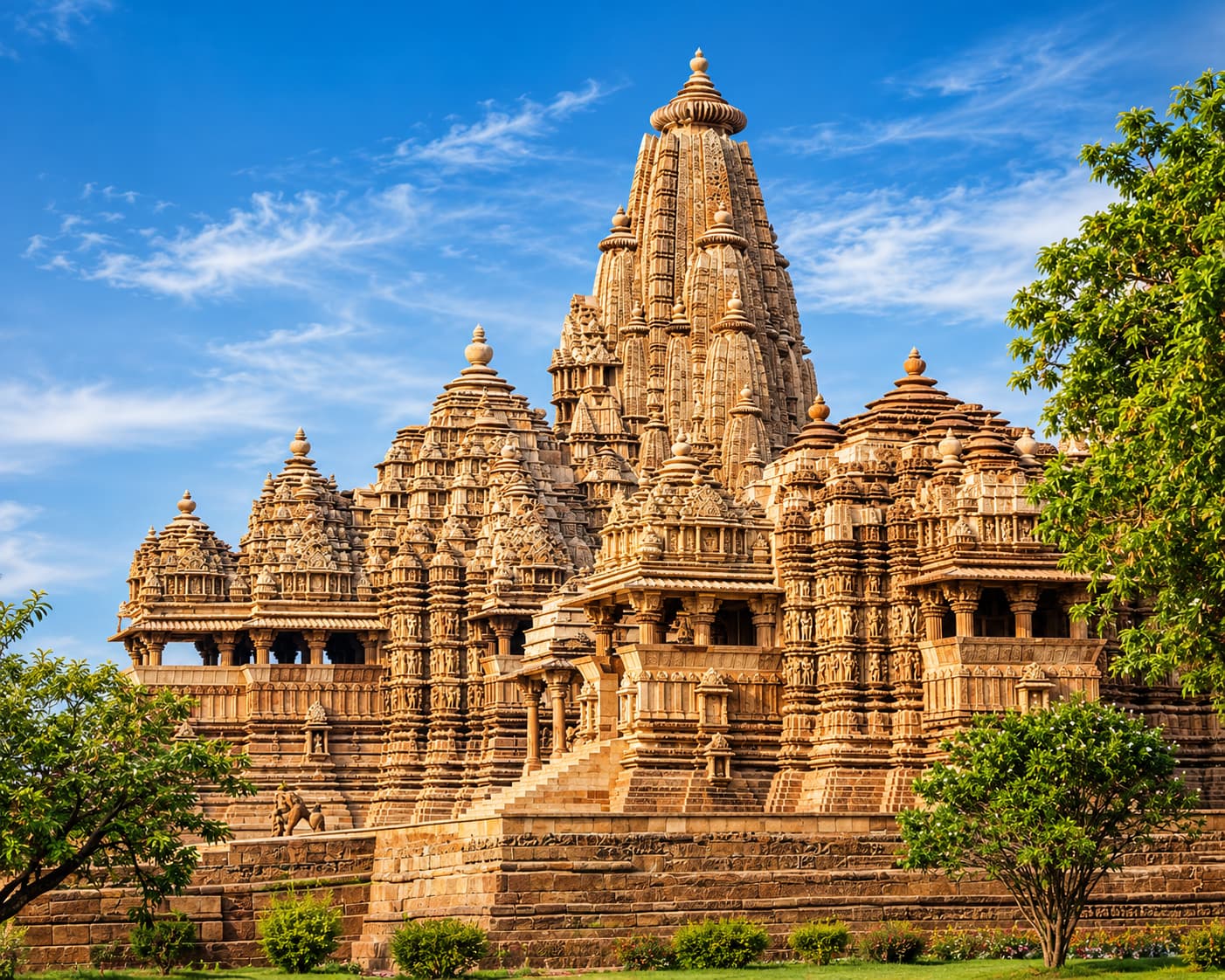
The Khajuraho Group of Monuments in Madhya Pradesh showcases the artistic brilliance of medieval India. Built mainly between the 10th and 12th centuries under the Chandela dynasty, these temples are renowned for their intricate stone carvings and distinctive architecture.
Their walls feature detailed sculptures of Hindu deities, celestial figures, musicians, dancers and scenes from everyday life. The artwork also explores themes of human relationships, spirituality and cultural traditions.
The magnificent Kandariya Mahadeva Temple stands out for its towering structure and elaborate sculptures. Although Khajuraho is famous for its erotic carvings, these represent only a small part of its wider artistic heritage.
What makes it special: Intricate stone sculptures, medieval temple architecture and remarkable artistic expression.
Best experience: Explore the Western Group of Temples with a local guide to understand the stories and symbolism behind the carvings.
Sun Temple, Konark, Odisha – An Architectural Tribute to the Sun
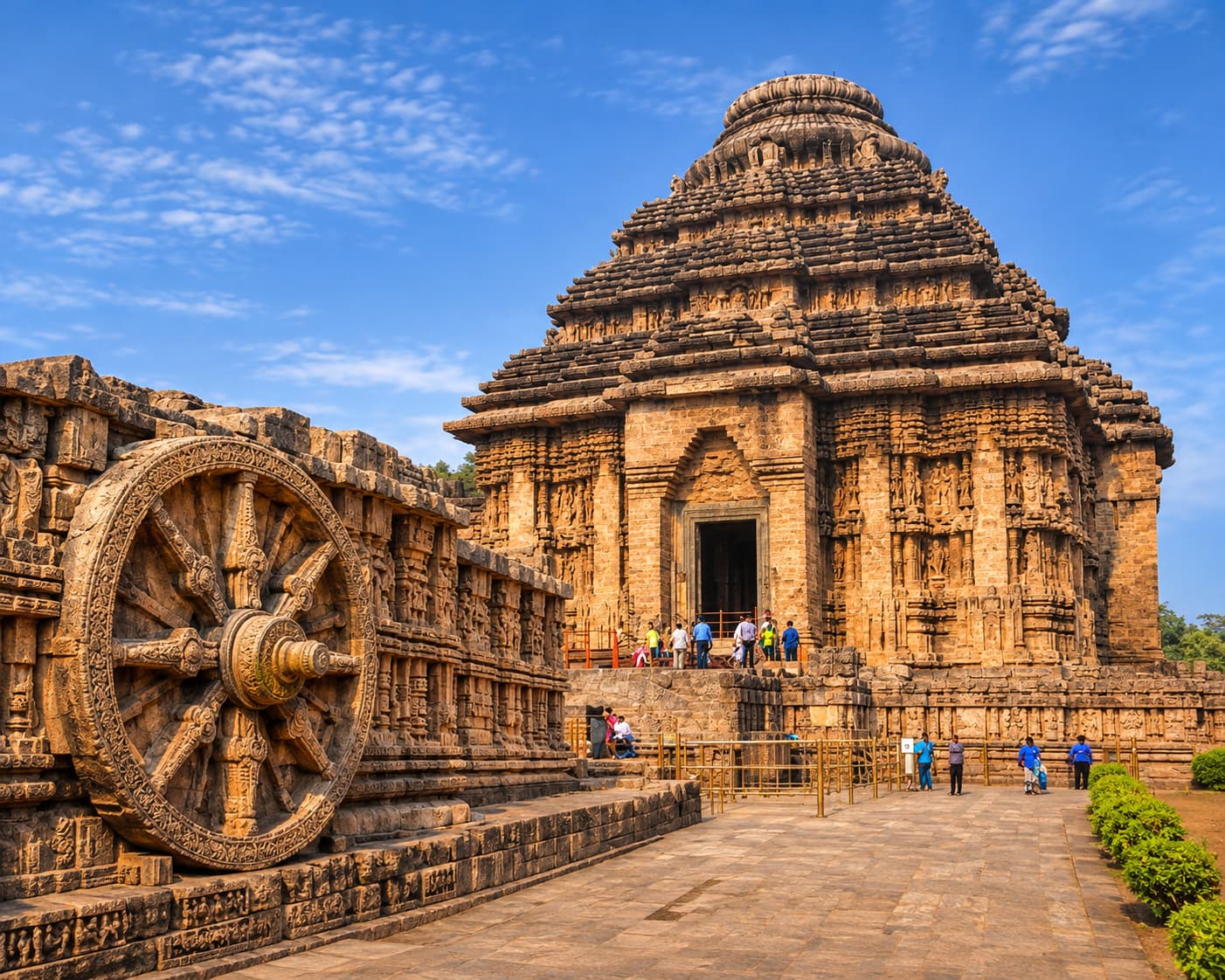
The Sun Temple of Konark in Odisha is one of India's most remarkable architectural masterpieces. Built in the 13th century by King Narasimhadeva I, it was designed as a gigantic stone chariot dedicated to Surya, the Hindu Sun God.
Its magnificent structure features 24 intricately carved stone wheels and seven horses, symbolising the Sun's journey across the sky. The detailed carvings reflect the extraordinary craftsmanship of medieval Indian artisans.
The temple walls feature sculptures of musicians, dancers, animals, deities and everyday life, offering a glimpse into the artistic and cultural traditions of medieval Odisha.
What makes it special: Its chariot-shaped design, astronomical symbolism and magnificent Kalinga-style architecture.
Best experience: Explore the intricately carved stone wheels and sculptural panels while discovering their historical and cultural significance.
Fatehpur Sikri, Uttar Pradesh – Walking Through a Forgotten Mughal Capital
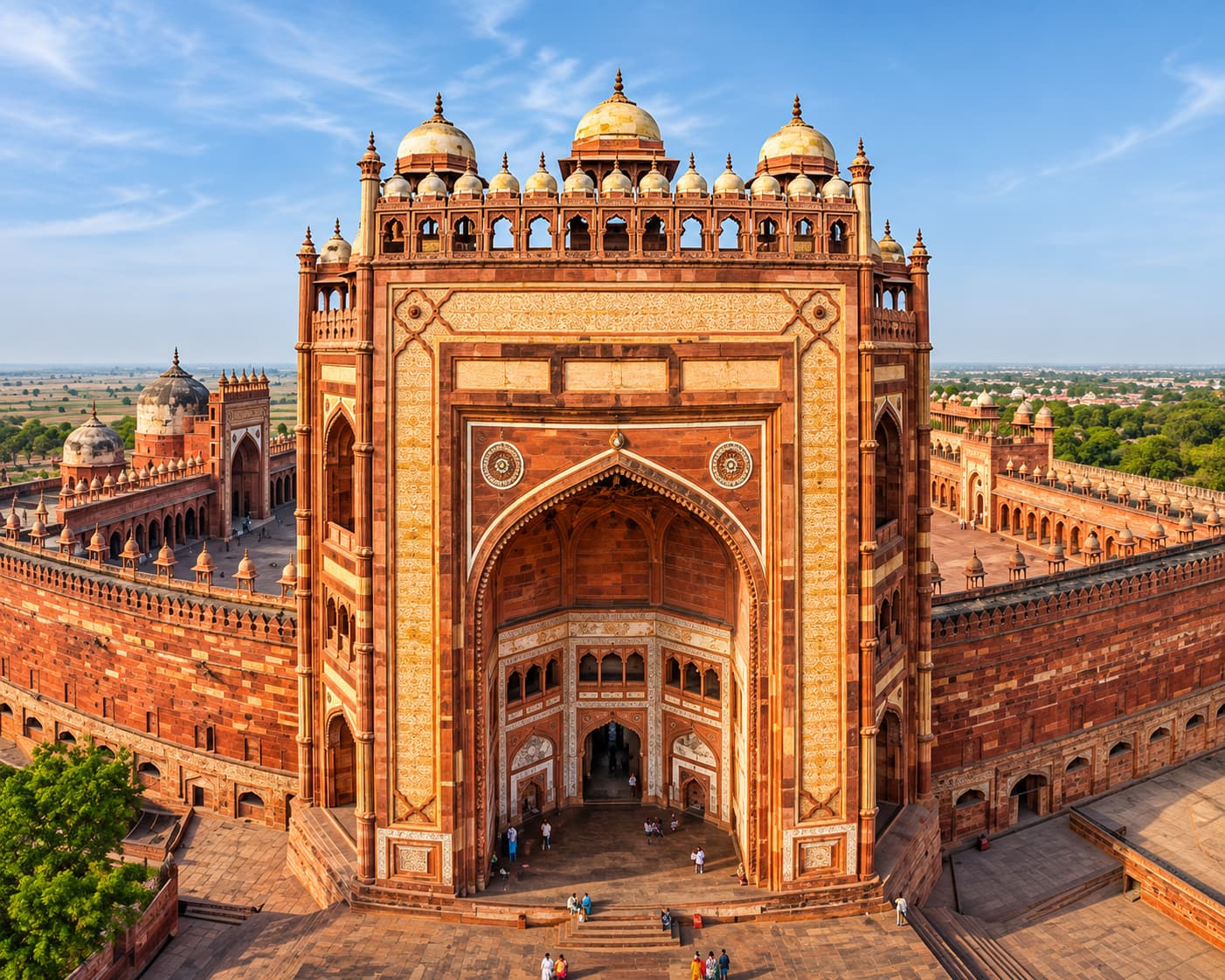
Fatehpur Sikri, near Agra, is a remarkable historic city built by Mughal Emperor Akbar in the 16th century. Once the imperial capital, it reflects a beautiful blend of Persian, Islamic and Indian architectural influences.
The magnificent Buland Darwaza, Panch Mahal, Diwan-i-Khas and Jama Masjid showcase the grandeur of Mughal architecture. Each structure offers a glimpse into the royal, administrative and religious life of the empire.
Another highlight is the Tomb of Salim Chishti, renowned for its intricate marble screens and peaceful surroundings. Together, these monuments preserve the cultural and architectural legacy of Emperor Akbar.
What makes it special: Mughal architecture, royal history, impressive sandstone monuments and the legacy of Emperor Akbar.
Best experience: Explore the historic complex with a local guide to discover the stories behind its palaces, gateways and monuments.
Discover India's History, One Destination at a Time
The UNESCO World Heritage Sites in India preserve stories that extend across centuries. From the romantic beauty of the Taj Mahal and the royal streets of Jaipur to the ancient caves of Ajanta and the magnificent ruins of Hampi, every destination offers a different perspective on India's extraordinary past.
However, the true beauty of exploring these historical places lies beyond their architecture. It can be found in the craftsmanship of local artisans, the traditions preserved by communities, the spiritual beliefs associated with ancient temples and the stories passed down through generations.
For international travellers, these heritage destinations offer an opportunity to experience India through its history, culture and people. Rather than simply photographing famous monuments, take time to understand the stories behind them and appreciate the traditions that continue to shape the country.
At Great India Travel, we believe the most meaningful journeys are those that connect travellers with the soul of a destination. So, walk through India's history, discover its remarkable heritage and experience the stories that make every journey unforgettable.