
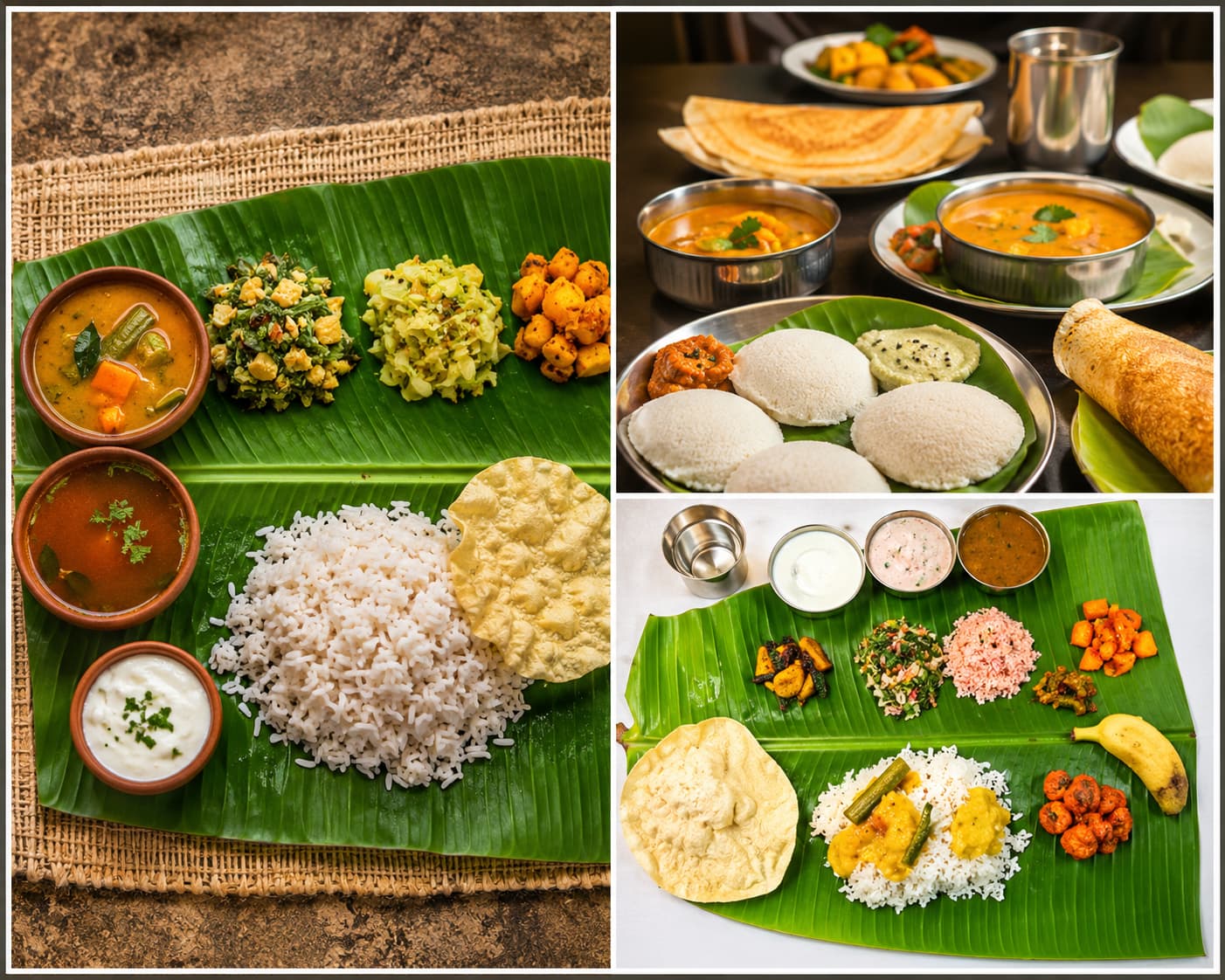
India is a country where food tells stories that go far beyond taste. From the warmth of a Punjabi kitchen to the comforting aromas of a Kerala household, traditional Indian food reflects generations of customs, family memories and regional identities. Moreover, Indian food culture reveals how communities celebrate together, welcome guests and preserve their heritage through everyday cooking. Whether it is a simple homemade meal or a festive spread, Indian traditional meals offer a glimpse into the country's diverse traditions and the traditional cuisine of India.
For international travellers, experiencing Indian food at a local home can be one of the most meaningful ways to understand the country. Unlike restaurant dining, a home-cooked meal often comes with personal stories, family recipes and traditions that have passed from one generation to another. More importantly, it offers something that no sightseeing experience can fully recreate: the feeling of being welcomed into someone's home.
Punjab: The Warmth of Traditional Punjabi Food
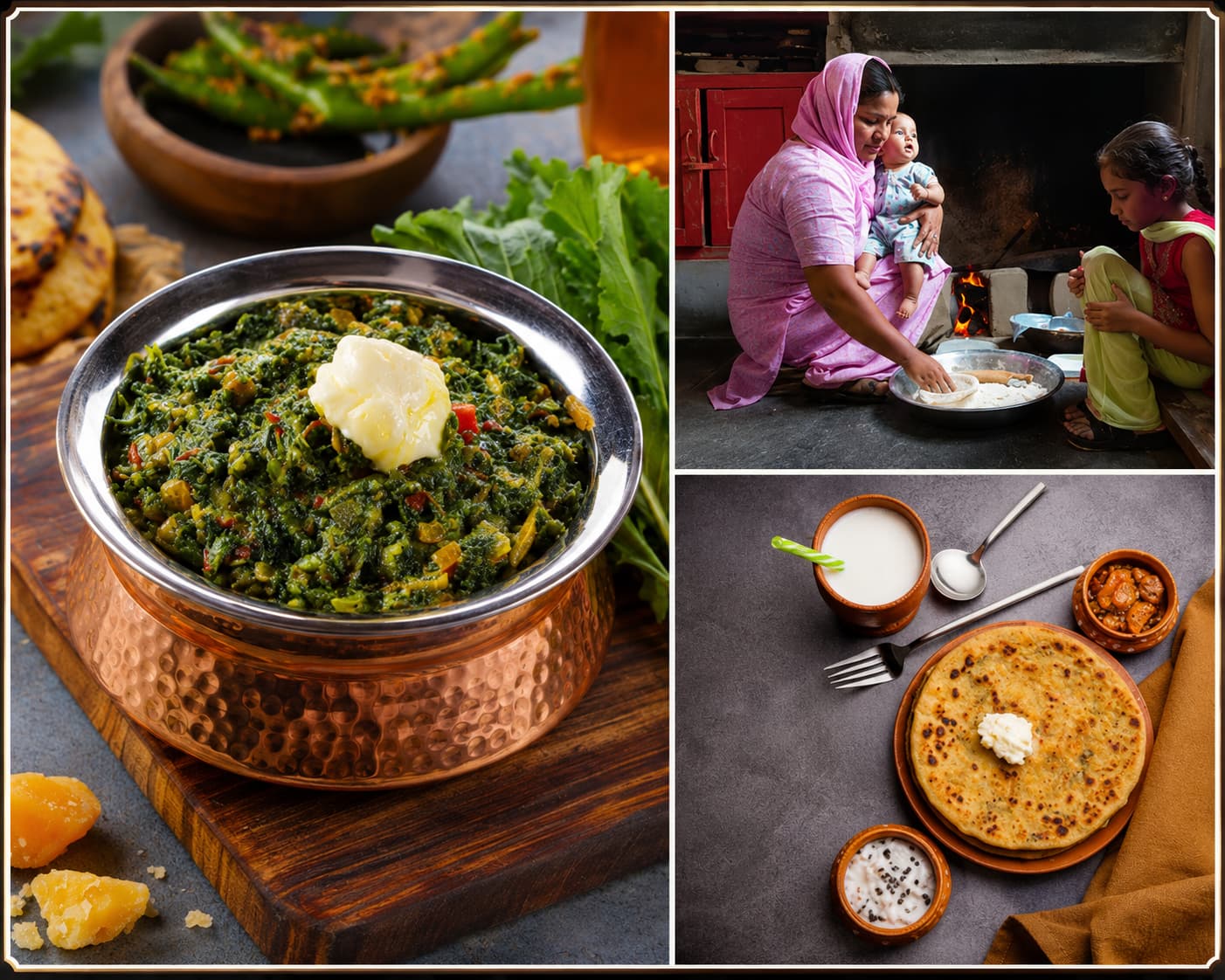
In Punjab, food represents generosity, togetherness and the joy of sharing. A traditional Punjabi kitchen often revolves around fresh ingredients, seasonal vegetables, dairy products and recipes that families have cherished for generations.
One of the most recognisable combinations is sarson da saag with makki di roti. Prepared using mustard greens and cornmeal, this comforting meal reflects the agricultural roots of Punjab. Similarly, homemade parathas, rajma, chole and fresh lassi form an important part of everyday food traditions.
However, Punjabi hospitality goes beyond what appears on the plate. Guests often receive an enthusiastic welcome, followed by repeated offers of another serving. In many households, sharing food becomes a way of expressing affection and making visitors feel at home.
For travellers, sitting down to a traditional Punjabi meal offers an opportunity to experience the warmth and generosity that define this region's food culture.
Rajasthan: Traditional Cuisine Shaped by the Desert
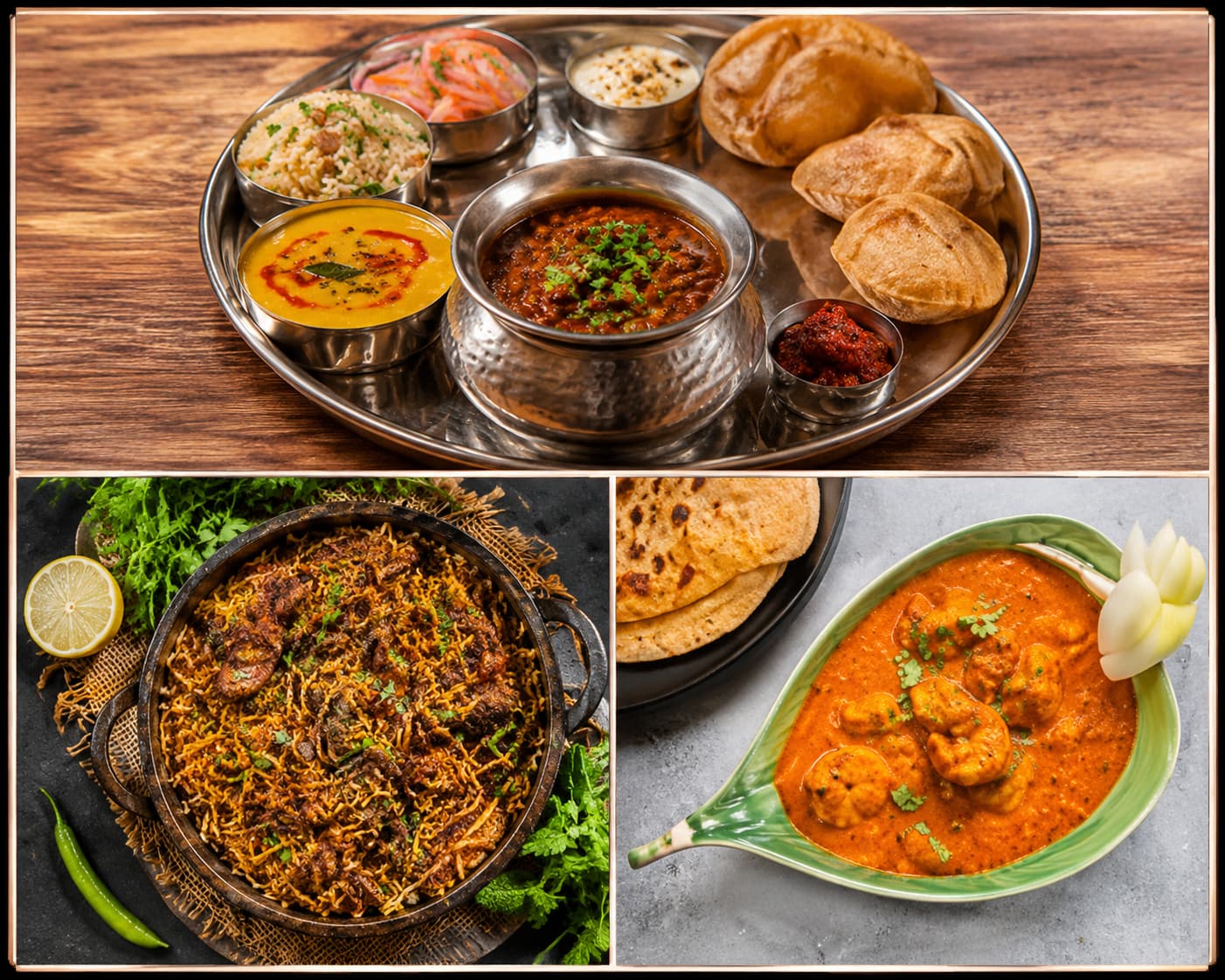
The traditional cuisine of Rajasthan tells a fascinating story of adaptation, resourcefulness and heritage. In a region where water availability and agricultural conditions have historically influenced cooking practices, families developed recipes using ingredients that could be stored and preserved.
Dishes such as dal baati churma, gatte ki sabzi, ker sangri and bajra roti showcase this culinary ingenuity. Each preparation carries its own identity, combining locally available ingredients with traditional cooking methods.
For example, ker sangri uses desert beans and berries that have long formed part of regional cooking. Meanwhile, dal baati churma brings together lentils, baked wheat dumplings and a sweet preparation made from crushed baati.
A home-cooked Rajasthani meal therefore offers more than regional flavours. It introduces travellers to the relationship between local landscapes, everyday life and traditional Indian food.
Kerala: A Taste of Home Through Banana-Leaf Meals
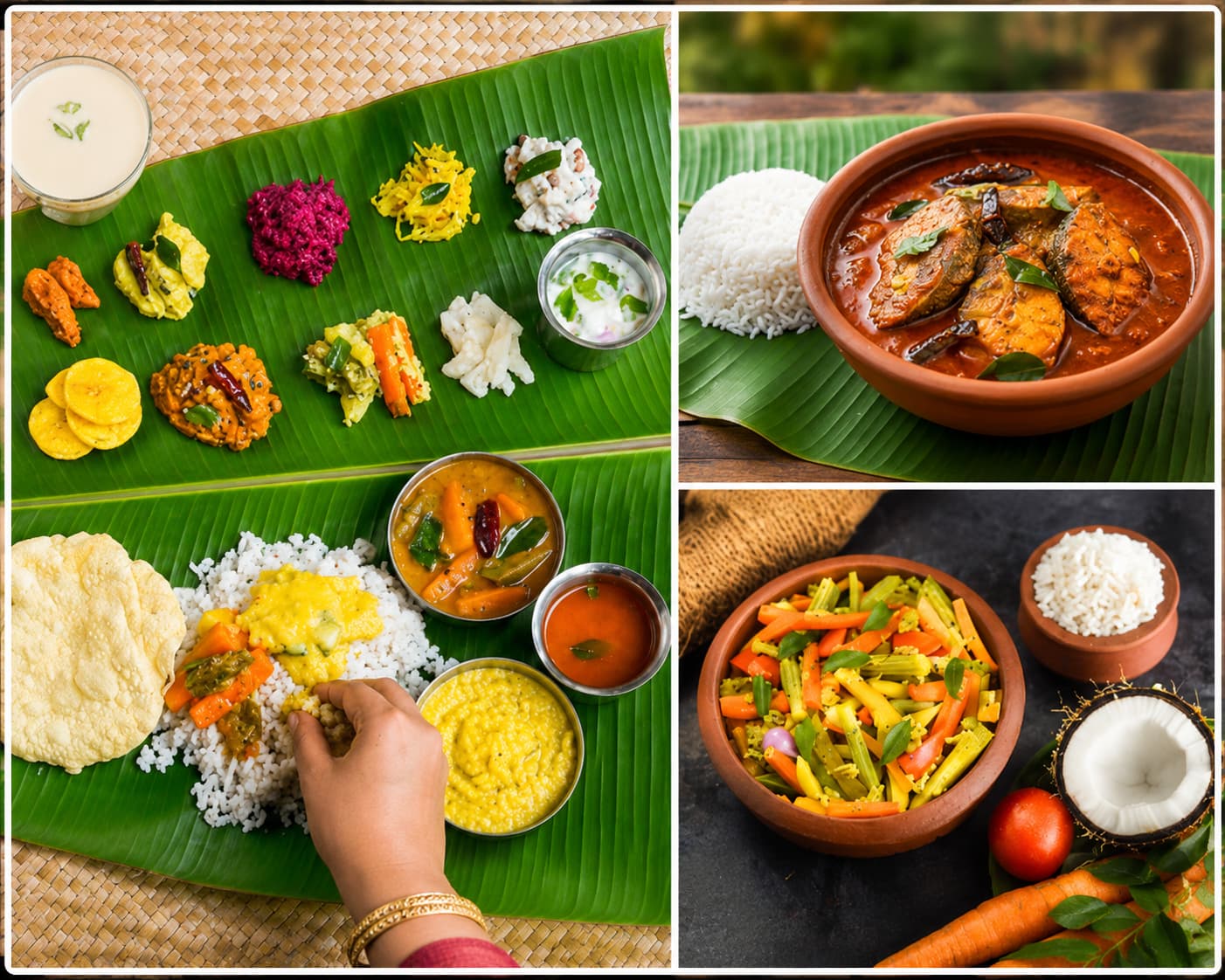
Kerala's food culture reflects its coastal geography, tropical climate and long-standing agricultural traditions. Coconut, rice, curry leaves, spices and seasonal vegetables form the foundation of many regional recipes.
One of the most beautiful expressions of traditional Kerala cuisine is Sadya. Traditionally served on a banana leaf, this elaborate vegetarian meal brings together several preparations, including avial, thoran, olan, sambar, rasam and different accompaniments.
Although Sadya holds a special place during festivals such as Onam, rice-based meals and coconut-rich preparations also feature prominently in everyday Kerala households. In coastal communities, fish curry is another important part of home cooking. Recipes often differ between households, with variations in spices, coconut milk, tamarind and preparation techniques.
Interestingly, the experience of eating from a banana leaf also reflects regional customs and traditional dining practices. For travellers, sharing a home-cooked Kerala meal provides a closer understanding of the state's relationship with food, nature and community life.
Gujarat: A Celebration of Flavours in Every Thali
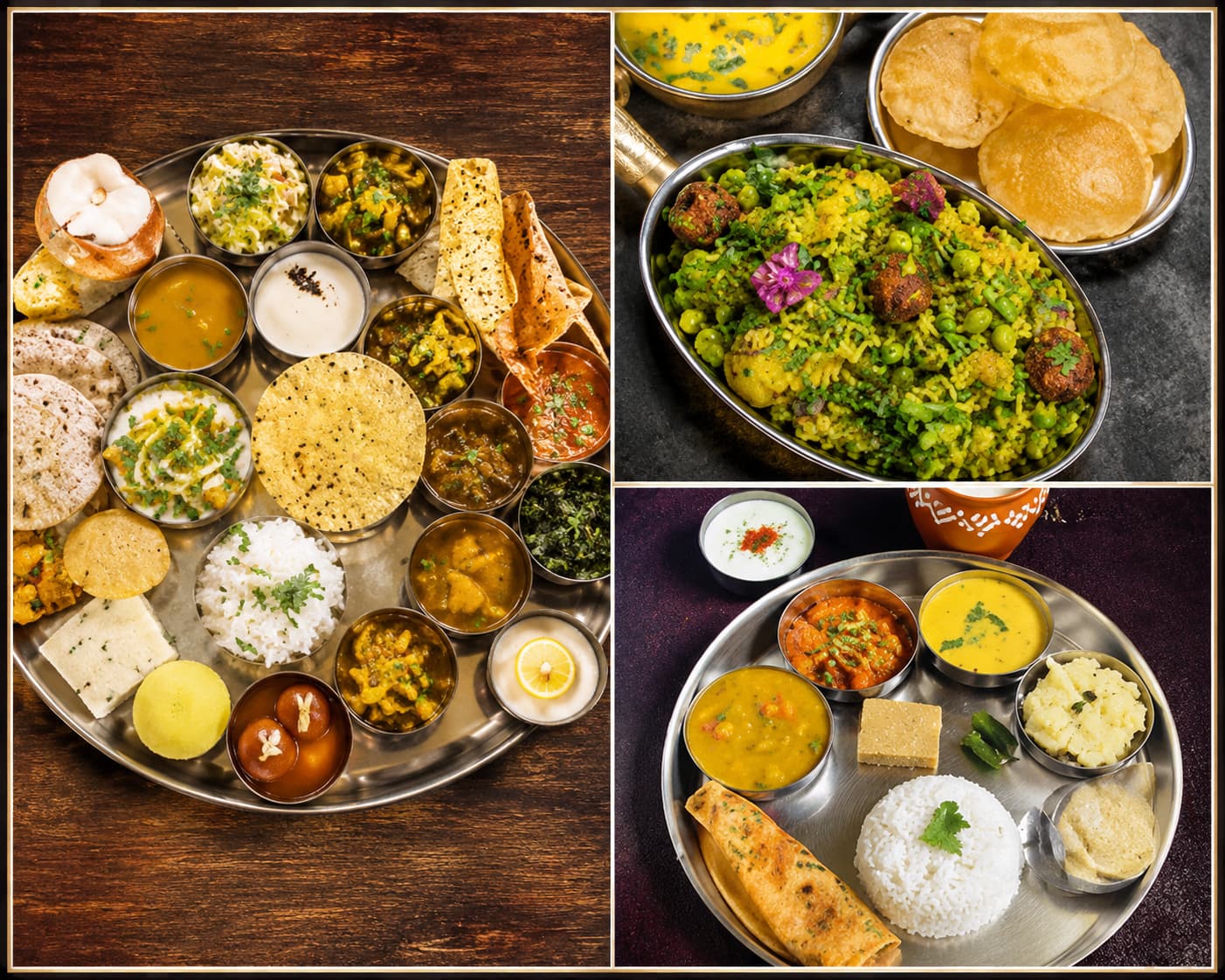
In Gujarat, a meal often brings together sweet, savoury, tangy and mildly spicy flavours. This balance gives traditional Gujarati cuisine its distinctive character and makes it an important part of India's regional food heritage. A traditional Gujarati thali may include rotli, shaak, dal, kadhi, rice, farsan, chutneys and pickles. However, the exact combination changes according to the season, region and household.
Some dishes also carry strong seasonal associations. For instance, undhiyu, prepared with a variety of winter vegetables, holds a special place in Gujarati food traditions. Similarly, thepla remains a familiar preparation in many households because families enjoy it as a convenient everyday meal and travel companion.
Beyond these dishes, Gujarati food culture reflects the importance of community dining and family traditions. People often prepare several dishes together, creating meals that encourage everyone to sit, share and enjoy.
For international visitors, a home-cooked Gujarati thali offers an opportunity to discover how simple ingredients and traditional recipes create a memorable dining experience.
Bengal: Where Food Becomes a Family Tradition
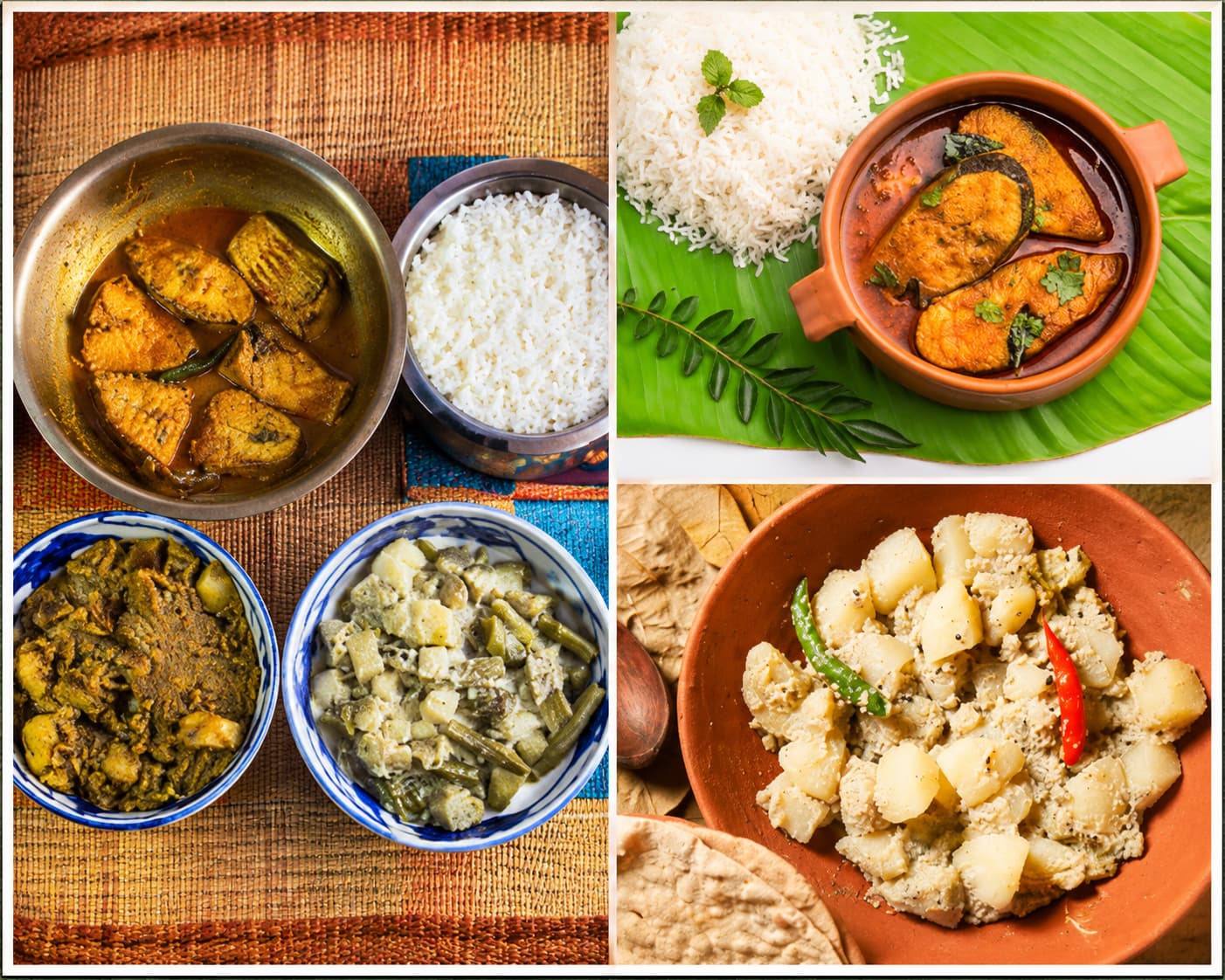
In Bengal, food reflects the region's culture, traditions and seasonal ingredients. Rice and fish form an important part of everyday meals, alongside dishes such as macher jhol, shukto and aloo posto.
Beyond these favourites, Bengali households enjoy vegetable curries, lentils and seasonal delicacies. Traditional recipes also pass from one generation to another, preserving the region's culinary heritage.
Food also plays an important role in Bengali festivals and celebrations, including Durga Puja and Poila Boishakh. During these occasions, families prepare special meals and traditional sweets such as payesh and mishti doi, making food an essential part of the celebrations. Each preparation reflects the region's love for flavour, tradition and togetherness.
For travellers, sharing a traditional Bengali meal offers a glimpse into the region's connection between food, family and culture.
Kashmir: The Comfort and Heritage of Kashmiri Home Cooking
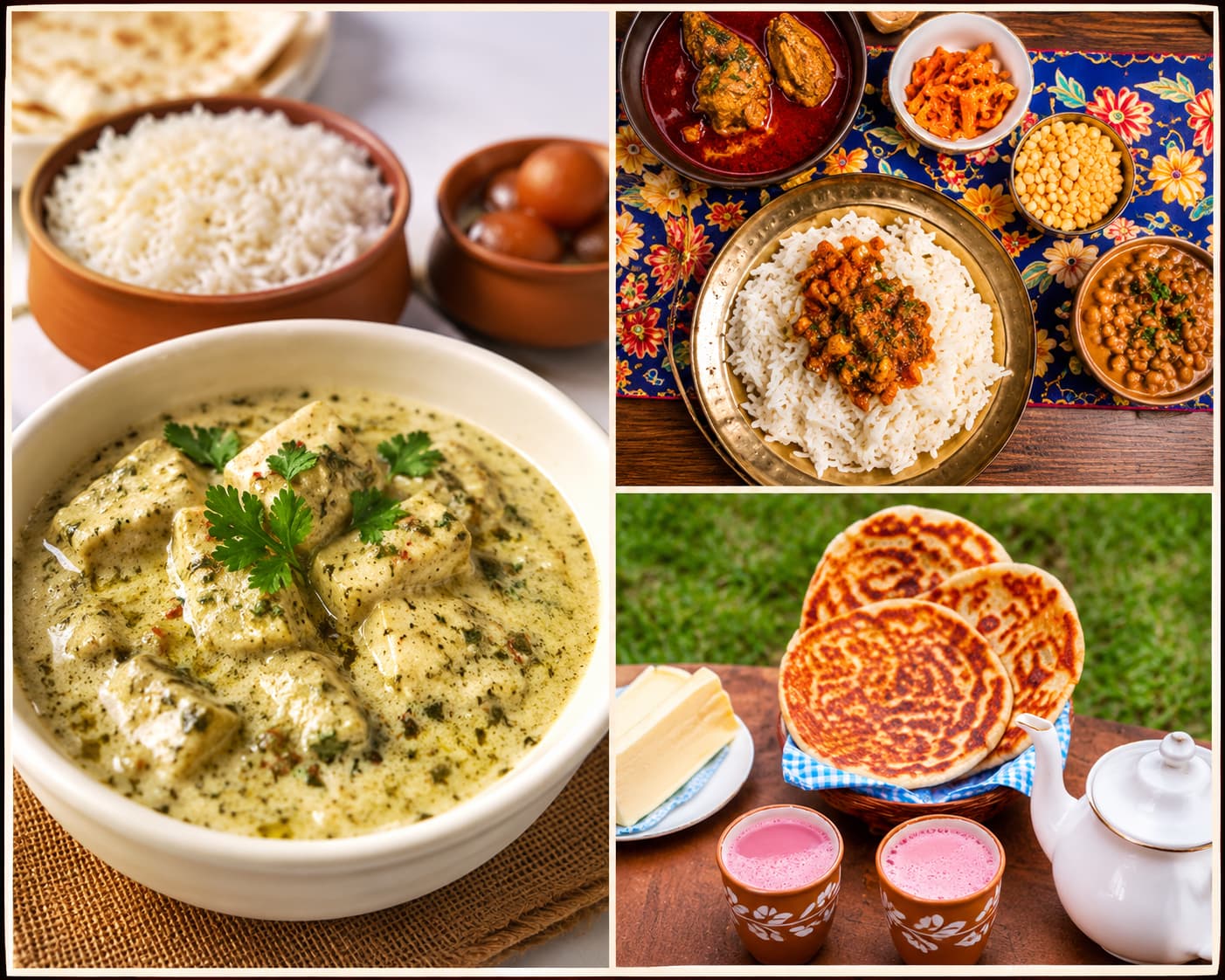
Kashmir's food traditions reflect its mountain environment, seasonal ingredients and centuries of cultural influences. The region's home cooking brings together comforting preparations, aromatic spices and recipes that families continue to preserve.
Some well-known Kashmiri preparations include haak, nadru yakhni, rogan josh and different rice-based meals. While certain dishes feature prominently in traditional Wazwan feasts, everyday Kashmiri cooking also includes simpler seasonal preparations.
Another distinctive part of Kashmiri food culture is its tea tradition. Kahwa, an aromatic green tea preparation, often includes spices, almonds and saffron. Meanwhile, noon chai holds a special place in the region's everyday social life.
During colder months, families often enjoy warm meals and traditional beverages together. For travellers, experiencing Kashmiri home cooking offers more than an introduction to local recipes; it provides a glimpse into the traditions, hospitality and everyday rhythms of life in the valley.
Beyond the Food: Understanding the Meaning of Indian Hospitality
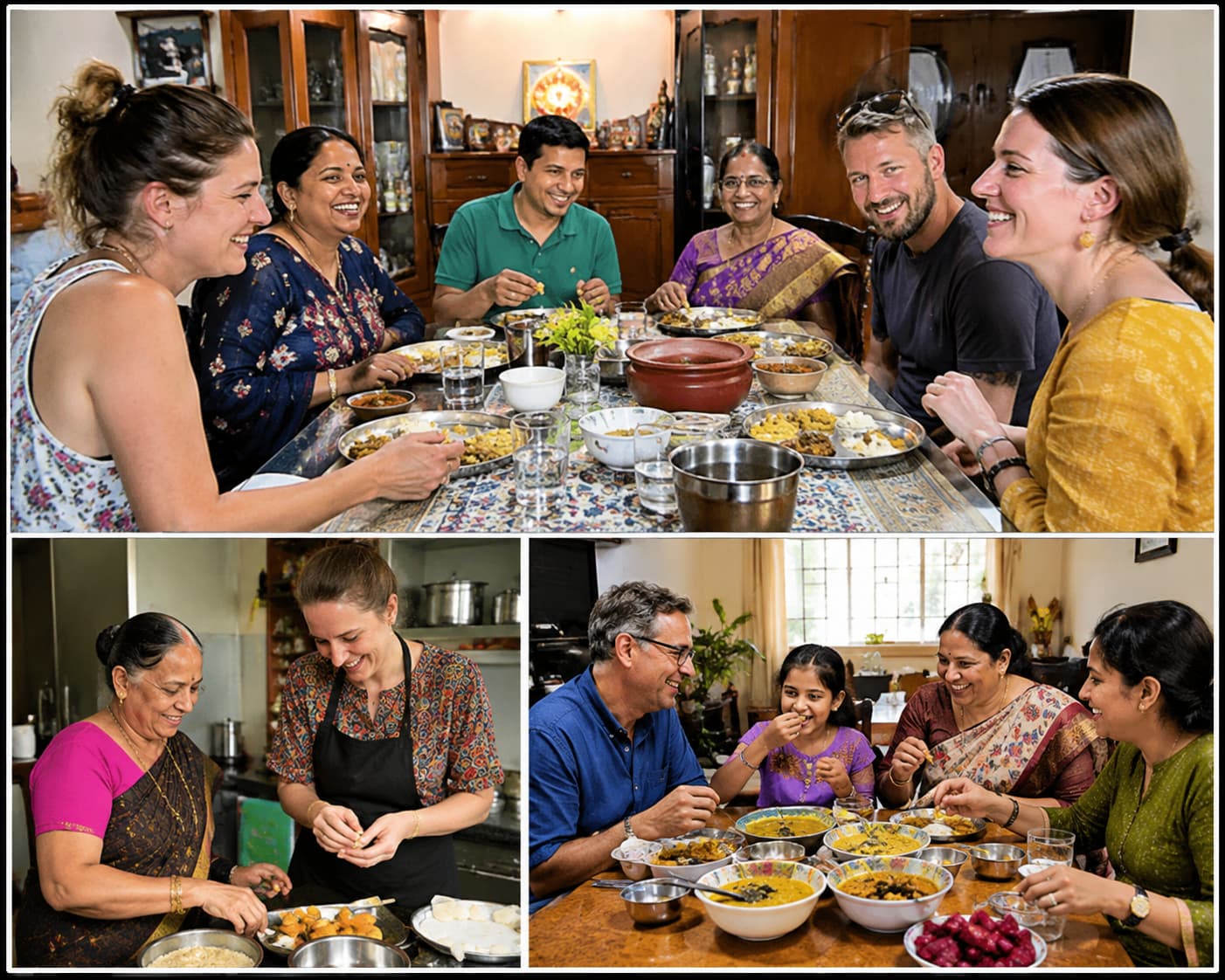
Across India, hospitality often begins long before someone takes the first bite. A warm greeting, a welcoming smile and an invitation to share a meal can turn an ordinary visit into a meaningful cultural experience.
The idea of Atithi Devo Bhava expresses the traditional belief that guests deserve respect and warm hospitality. This principle influences how many Indian families welcome visitors into their homes.
However, hospitality does not look exactly the same everywhere. In some households, hosts prepare elaborate meals for special visitors. In others, they share whatever they have cooked for the family that day. Both experiences can offer an authentic understanding of Indian food culture.
Moreover, eating together creates opportunities for conversations that travellers might not experience during conventional sightseeing. Hosts may explain the ingredients in a dish, share memories of learning a recipe from their parents or describe how a particular meal connects with a local festival.
Why Travellers Should Experience Traditional Meals in India
Why Travellers Should Experience Traditional Meals in India
Discover India's regional traditions, local communities, authentic culinary experiences and cultural journeys. Let us help you experience the country through its people, flavours and stories.