
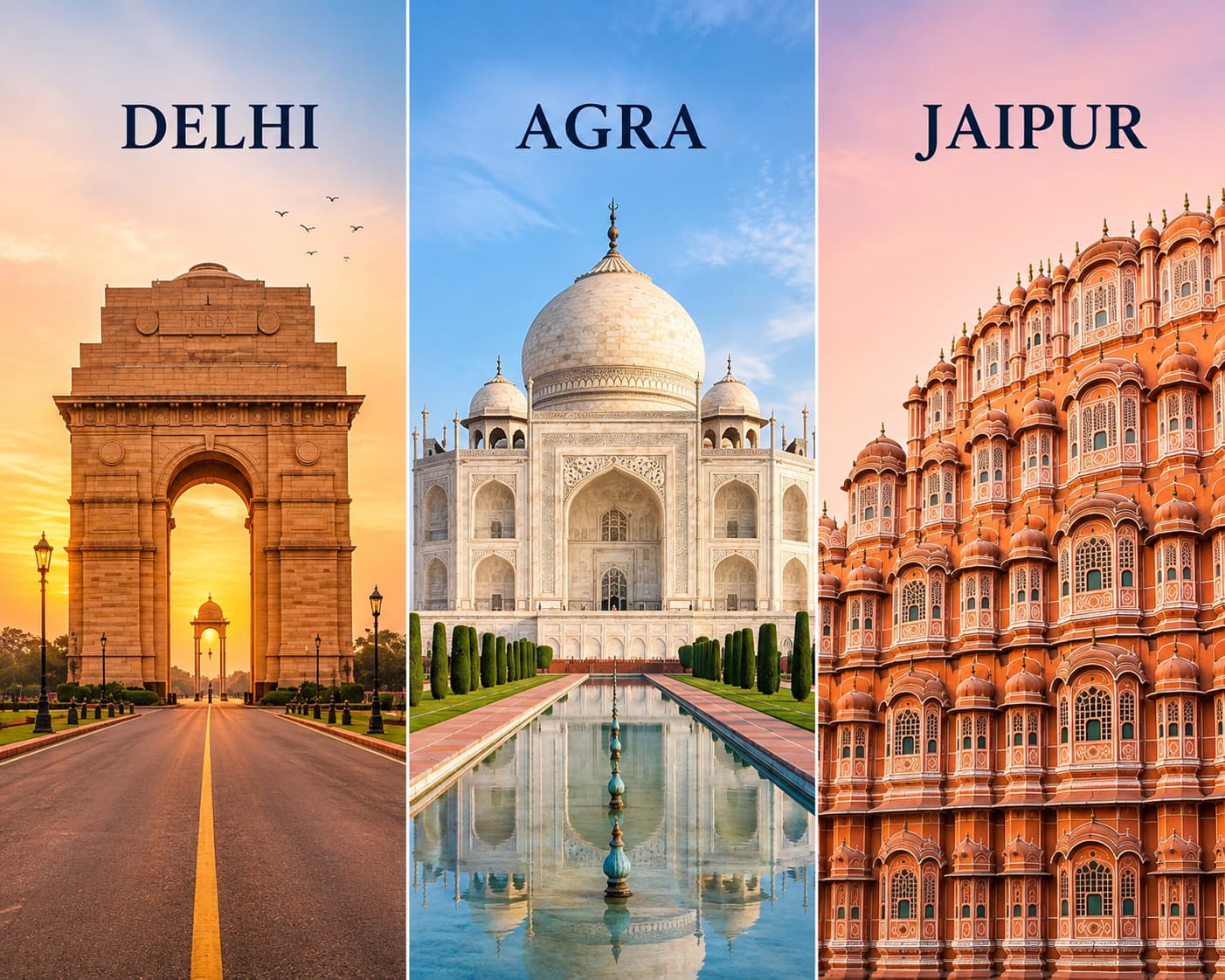
India is a country where history, culture and traditions come together to create extraordinary travel experiences. From centuries-old monuments and royal palaces to colourful markets and traditional neighbourhoods, every destination reveals a different part of its identity. Among the country's most celebrated travel routes, the Golden Triangle Tour India offers an unforgettable introduction to this diversity through three remarkable cities: Delhi, Agra and Jaipur.
Located across northern India, these destinations create a fascinating journey through different historical periods and architectural styles. You can begin by exploring the historic streets of Delhi, admire the magnificent Taj Mahal in Agra and experience Rajasthan's royal heritage in Jaipur. Moreover, each city offers opportunities to discover local food, traditional craftsmanship and everyday community life.
For international travellers visiting India for the first time, the Golden Triangle provides an excellent way to understand the country's heritage and cultural diversity. However, the experience goes beyond visiting famous monuments. It is equally about exploring traditional bazaars, meeting local artisans, tasting regional dishes and discovering stories that have shaped these destinations over generations.
Delhi – Discover India's History, Culture and Modern Lifestyle
Delhi is a fascinating starting point for exploring India's Golden Triangle. As the country's capital, it brings together centuries of history, diverse communities, religious traditions and contemporary urban life. The city's character changes dramatically as you move between the historic lanes of Old Delhi and the wide avenues of New Delhi.
Old Delhi offers an opportunity to experience the city's Mughal heritage. Its narrow streets, traditional markets and historic buildings create an atmosphere that feels different from modern urban India. A walk around Chandni Chowk introduces visitors to colourful shops, traditional eateries and centuries-old trading streets. Nearby, Jama Masjid stands as one of India's most impressive historic mosques.
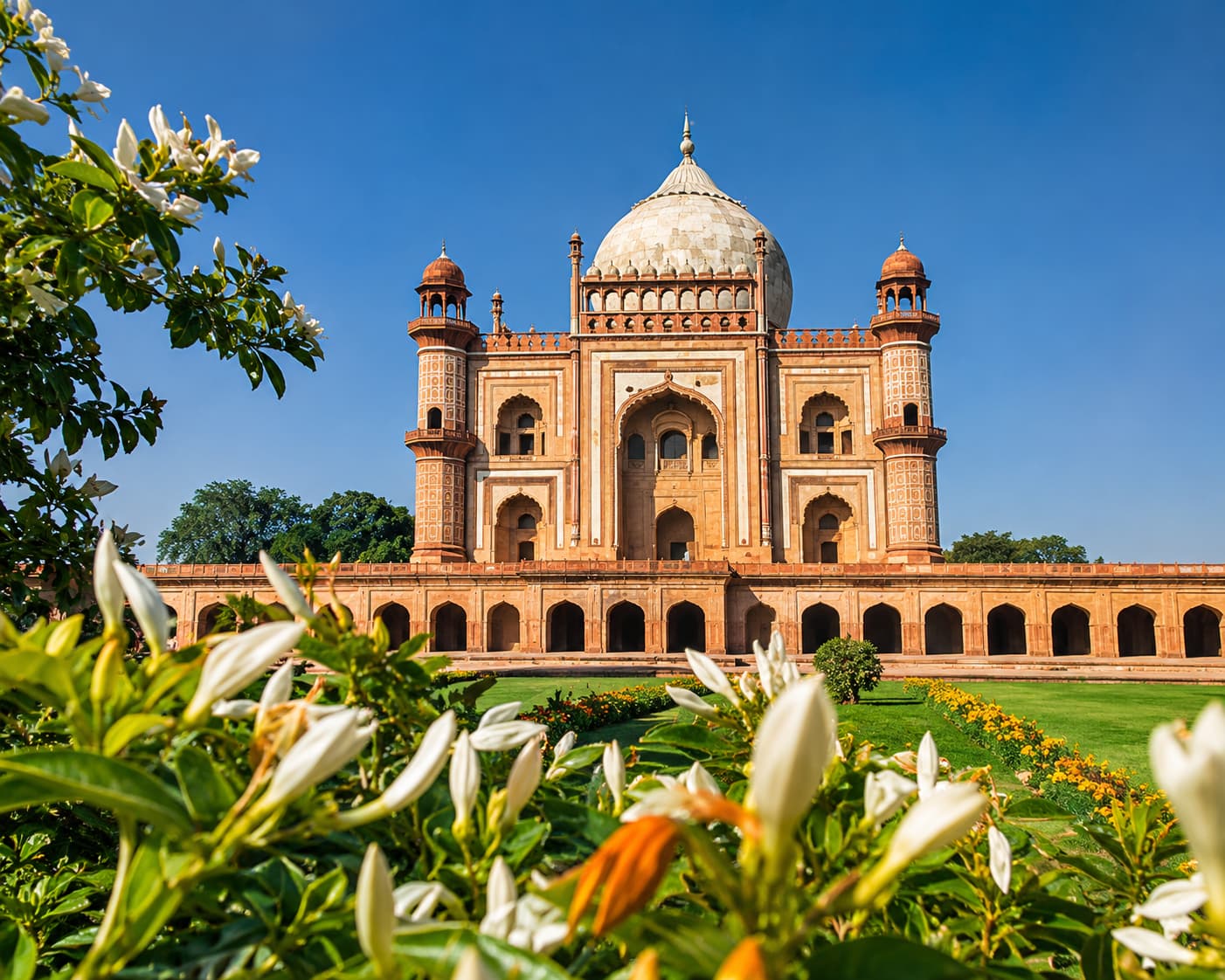
Meanwhile, New Delhi showcases another chapter of the country's history. India Gate, designed by Sir Edwin Lutyens, stands as an important war memorial, while Rashtrapati Bhavan reflects the city's colonial-era architectural heritage. Humayun's Tomb and Qutub Minar further reveal the remarkable development of Indo-Islamic architecture.
What makes Delhi special:
Agra – Experience the Timeless Beauty of the Taj Mahal
Agra is one of India's most recognised heritage destinations, celebrated for its extraordinary Mughal architecture and historical significance. Located on the banks of the Yamuna River in Uttar Pradesh, the city was once an important centre of the Mughal Empire. Today, its monuments offer visitors a glimpse into the artistic achievements and royal traditions of that period.
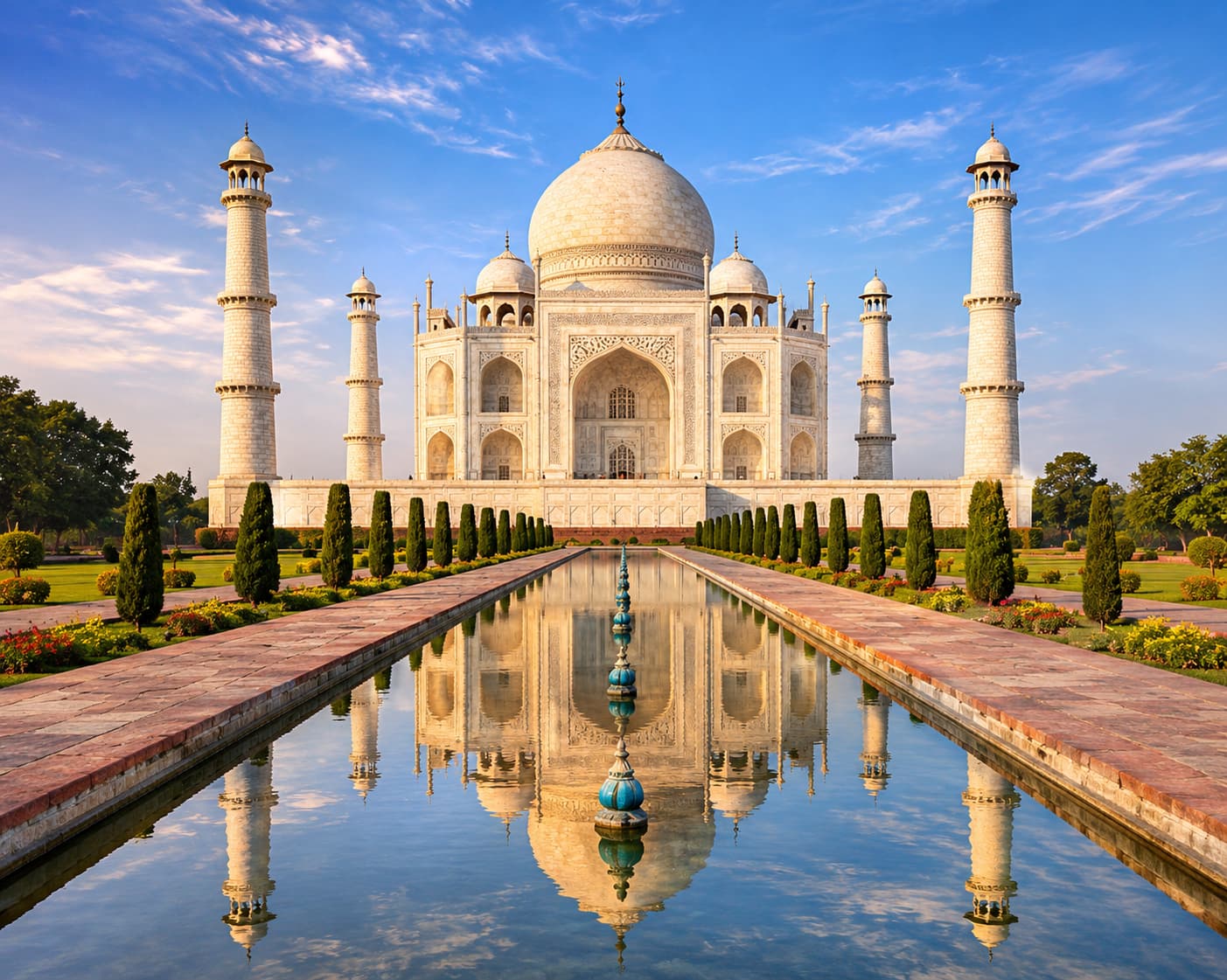
The Taj Mahal is undoubtedly Agra's most famous attraction. Built by Emperor Shah Jahan in memory of his wife Mumtaz Mahal, this magnificent white marble mausoleum represents one of the finest examples of Mughal architecture. Its symmetrical gardens, intricate marble inlay work and beautiful domes create an unforgettable sight. Watching the changing sunlight across the marble during the early morning is particularly memorable.
However, Agra's heritage extends far beyond the Taj Mahal. Agra Fort is another remarkable attraction, featuring impressive red sandstone walls, royal courtyards and historic palaces. The fort once served as an important imperial residence and offers beautiful views towards the Taj Mahal.
Another fascinating place is Itimad-yd-Daulah's Tomb, often called the Baby Taj. Its delicate marble decoration and detailed stone inlay work make it an interesting example of Mughal craftsmanship. Meanwhile, Mehtab Bagh provides a different perspective of the Taj Mahal from across the Yamuna River.
What makes Agra special:
Jaipur – Explore Rajasthan's Royal Heritage and Colourful Traditions
Jaipur, popularly known as the Pink City, is one of India's most fascinating heritage destinations. Founded in 1727 by Maharaja Sawai Jai Singh II, the city is celebrated for its magnificent forts, royal palaces, traditional markets and distinctive architecture. Unlike Delhi and Agra, Jaipur introduces travellers to the royal culture and traditions of Rajasthan.
The city's historic walled area is particularly interesting to explore. Its pink-coloured buildings, traditional shopfronts and beautifully designed streets create a distinctive atmosphere. Hawa Mahal, one of Jaipur's most recognisable landmarks, stands out with its intricate facade and hundreds of small windows. Historically, these windows allowed royal women to observe street celebrations without being seen from outside.
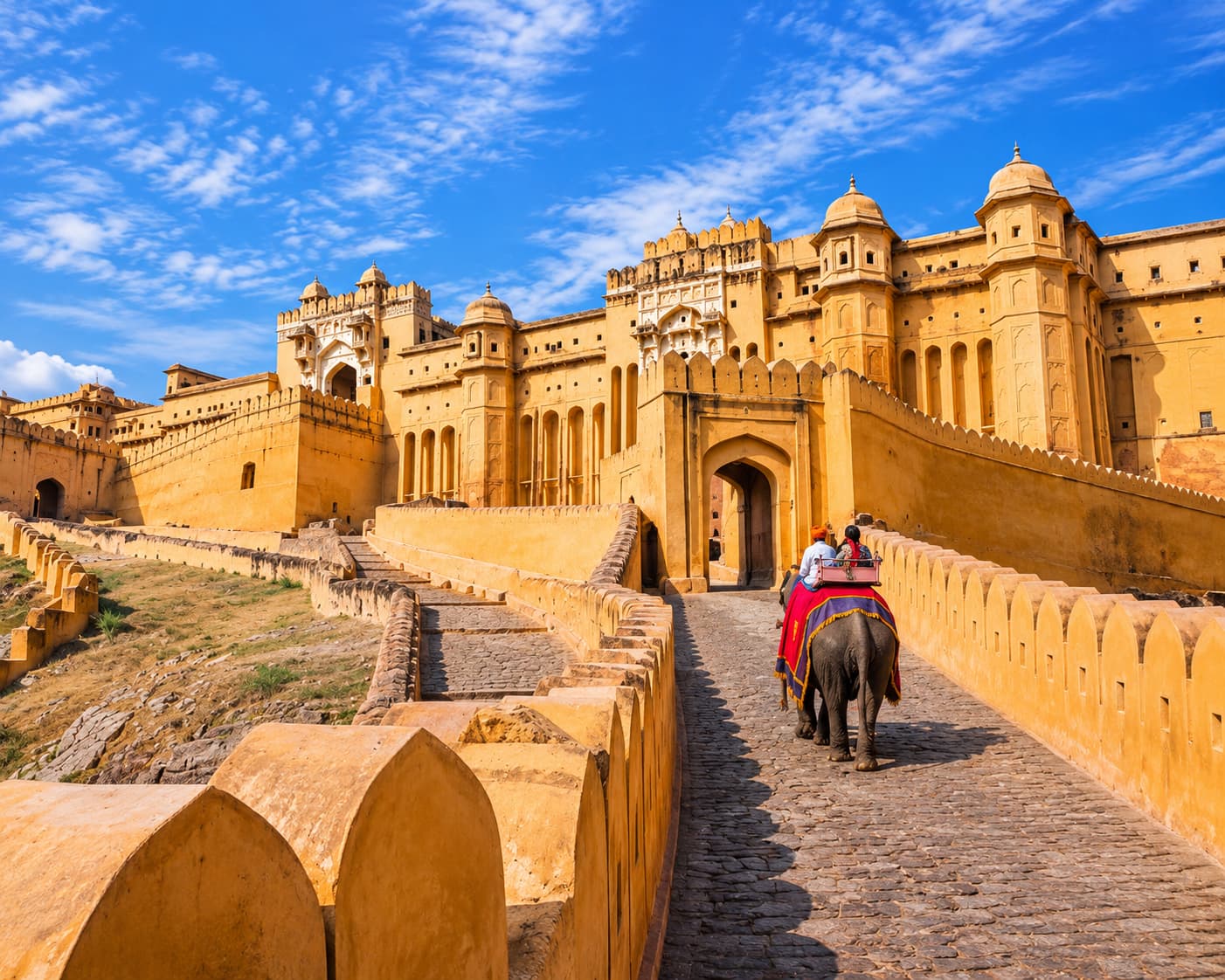
Amer Fort is another highlight of Jaipur. Located on a hill overlooking Maota Lake, this magnificent fort features grand courtyards, decorated halls, beautiful gateways and intricate mirror work. Exploring its different sections provides an insight into the lifestyle and architectural preferences of Rajasthan's royal families. City Palace offers another opportunity to discover Jaipur's royal heritage. Its courtyards, museums and decorative architecture reflect the history of the former rulers of Jaipur. Nearby, Jantar Mantar introduces visitors to India's historic scientific achievements through an extraordinary collection of astronomical instruments.
Jaipur is also a wonderful destination for discovering traditional Indian craftsmanship. Johari Bazaar is known for jewellery, while Bapu Bazaar offers colourful textiles, footwear and handicrafts. Visitors can also explore blue pottery, block printing and miniature paintings to understand the artistic traditions that continue to shape Rajasthan's cultural identity.
What makes Jaipur special:
How to Choose the Best Experiences on Your Golden Triangle Tour
For First-Time Visitors to India
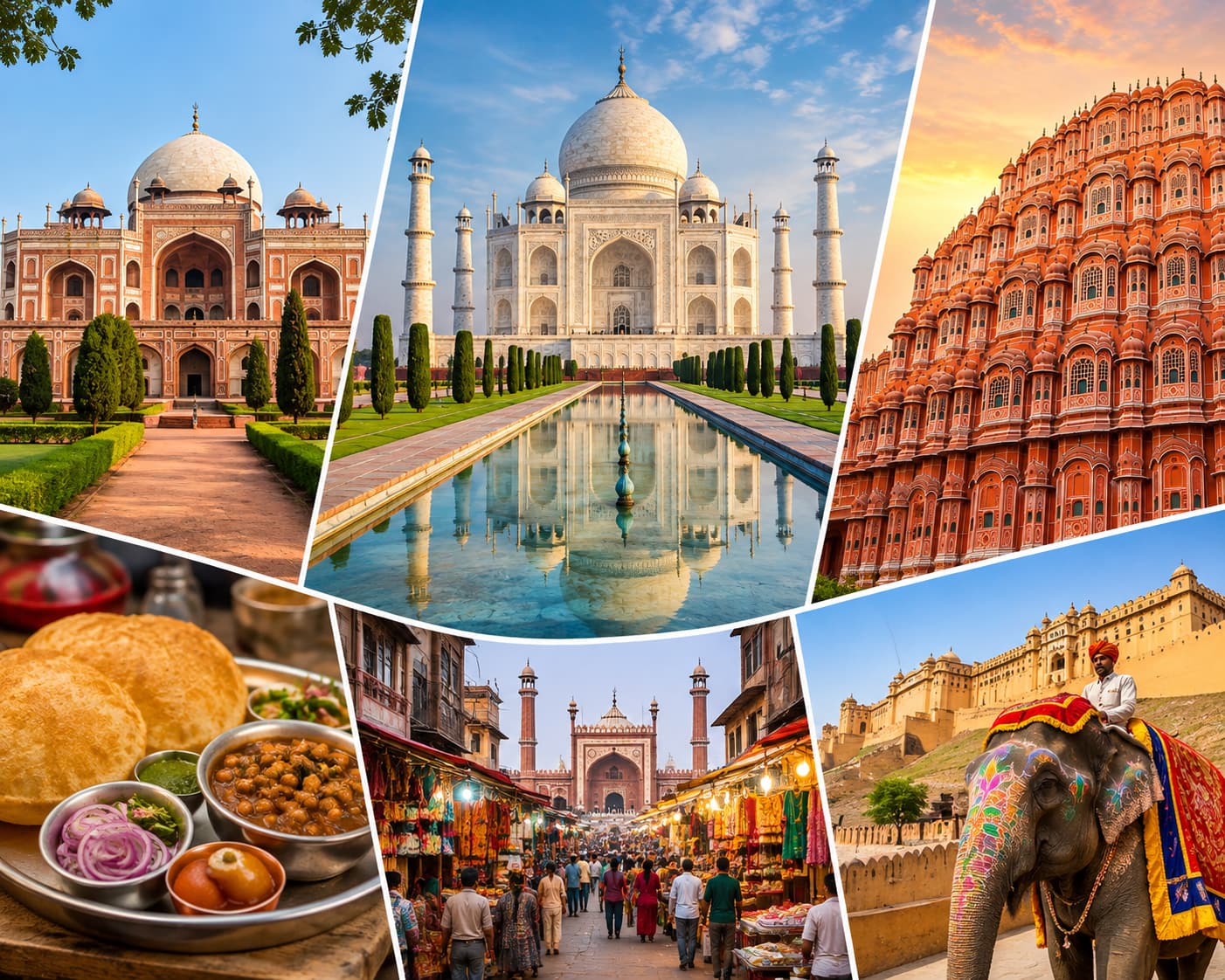
Delhi, Agra and Jaipur together offer an excellent introduction to Indian history, architecture, food and traditions. Explore Old Delhi, visit the Taj Mahal and experience Jaipur's royal heritage to understand three different aspects of the country.
For History and Architecture Enthusiasts
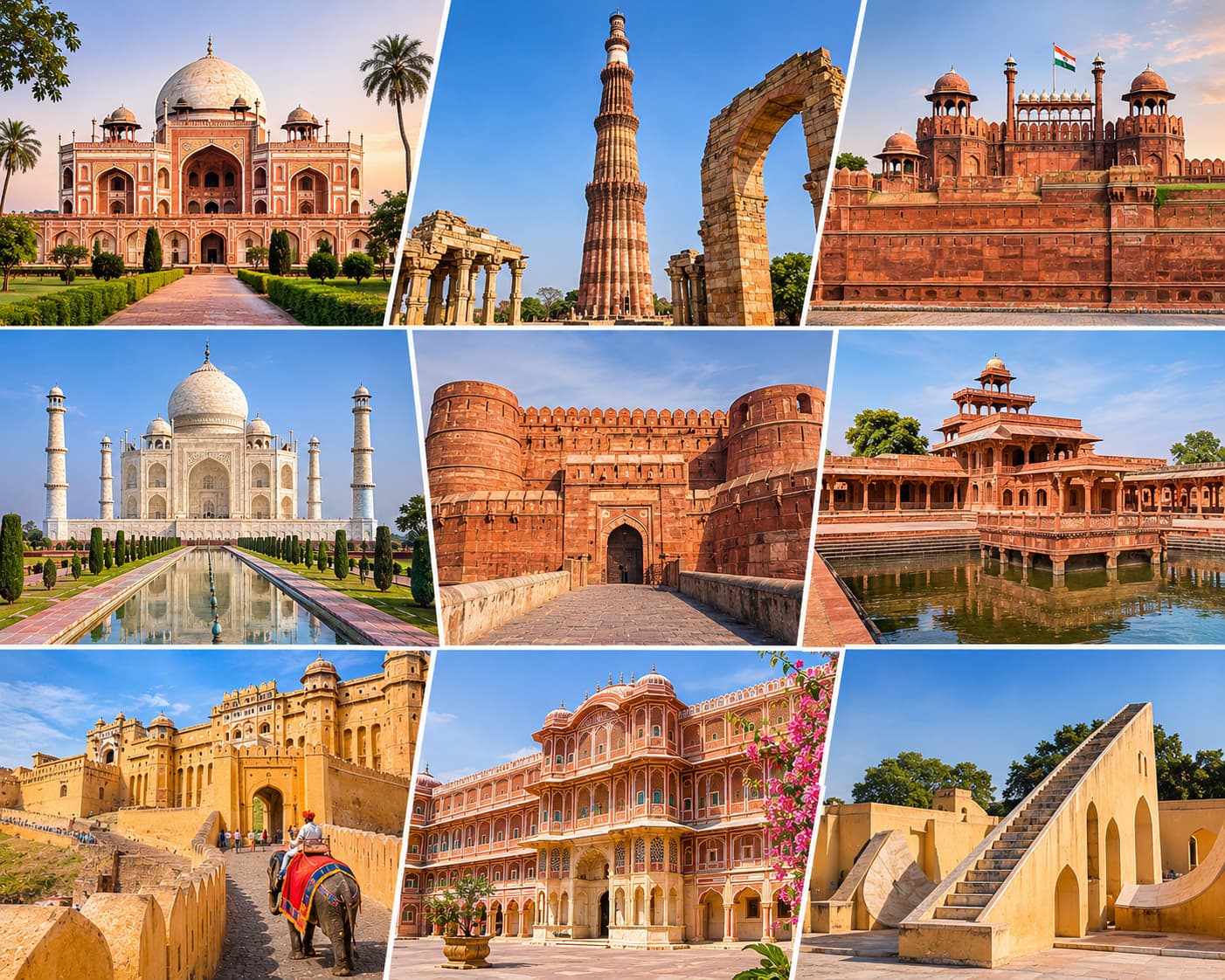
Explore Humayun's Tomb, Qutub Minar and Red Fort in Delhi. In Agra, discover the Taj Mahal, Agra Fort and Fatehpur Sikri. Meanwhile, Jaipur offers Amer Fort, City Palace and Jantar Mantar.
For Cultural and Local Experiences
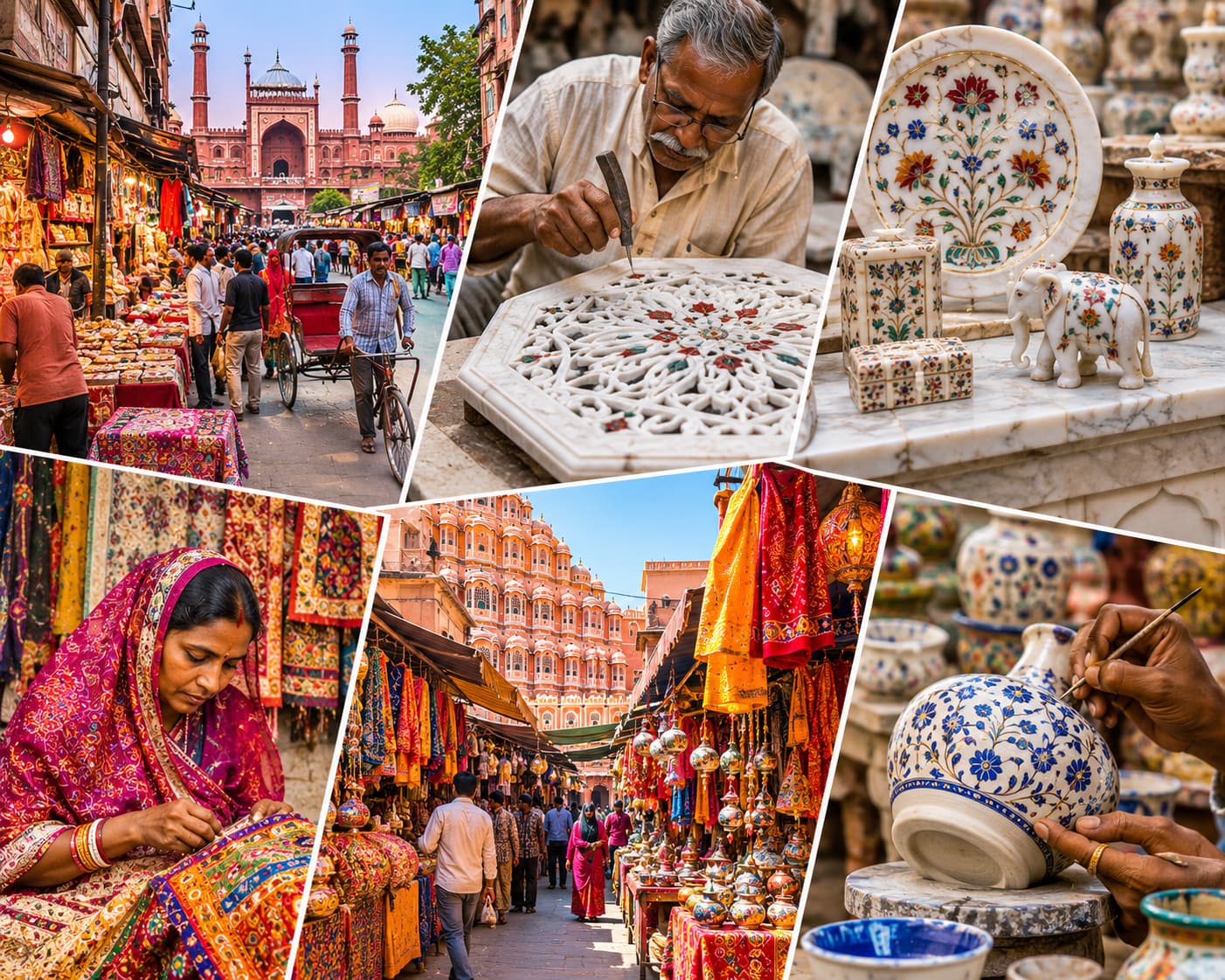
Explore Chandni Chowk's traditional markets, discover marble craftsmanship in Agra and visit Jaipur's colourful bazaars. Additionally, consider meeting local artisans to understand traditional Indian crafts and their importance to local communities.
For Food Lovers
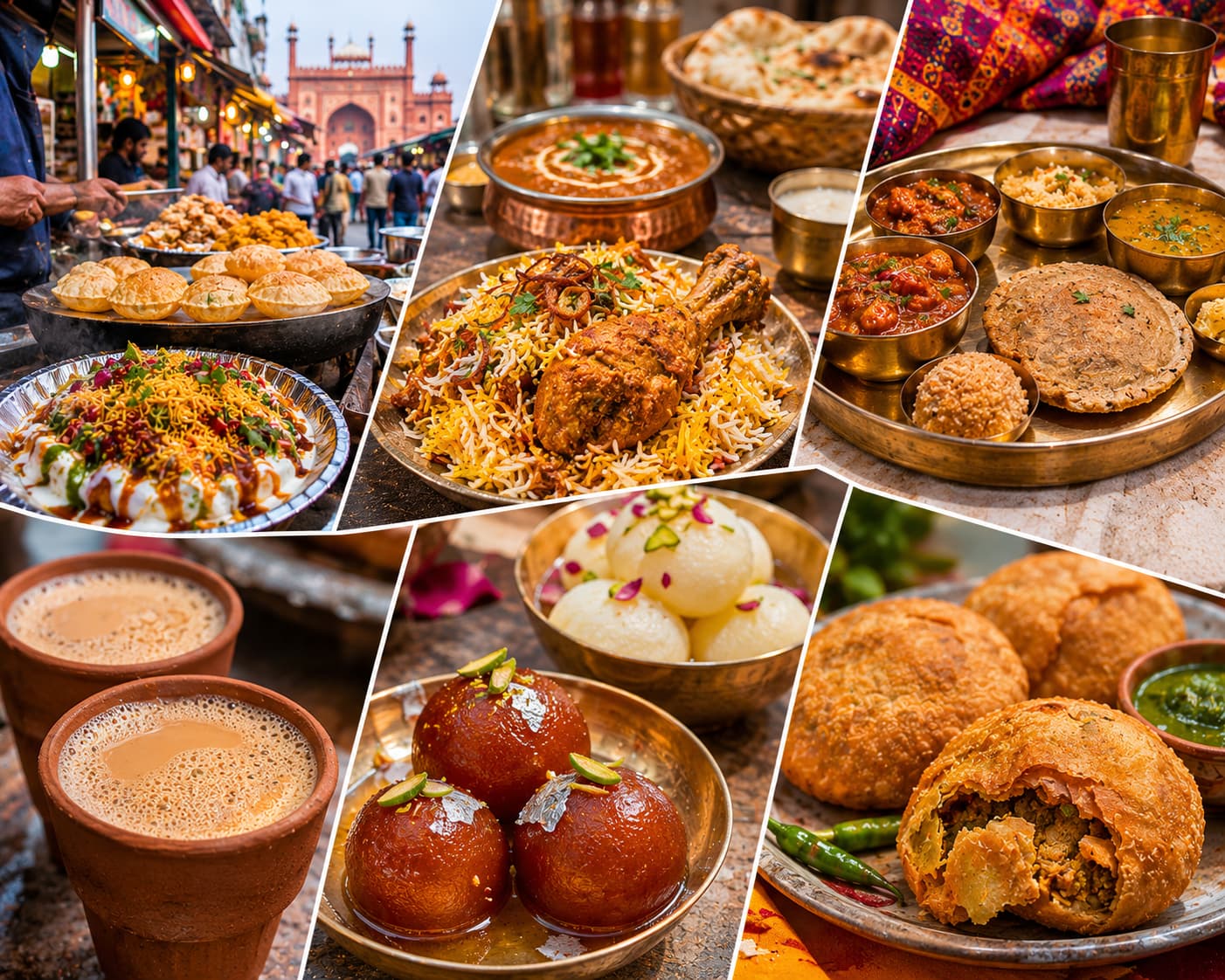
Delhi offers a diverse street food culture, Agra introduces visitors to Mughlai-inspired dishes and traditional sweets, while Jaipur is known for its distinctive Rajasthani cuisine. Together, these cities provide a wonderful culinary journey through North India.
What Is the Best Time to Visit Delhi, Agra and Jaipur?
The best time for a Golden Triangle Tour India is between October and March, when the weather is generally pleasant for sightseeing. October and November offer comfortable temperatures and a festive atmosphere, while December to February are popular months for exploring historic monuments and traditional markets.
March is also a good time to visit before summer temperatures rise. However, April to June can be extremely hot, particularly in Agra and Jaipur. The monsoon season, from July to September, brings rainfall and occasional travel disruptions but offers a different perspective of these historic cities.
For international travellers, November to February is generally an ideal period to discover Delhi, Agra and Jaipur comfortably.
Discover India's Golden Triangle with Great India Travel
The Golden Triangle is more than a journey connecting three famous Indian cities. It is an opportunity to discover the country's remarkable history, architectural heritage, cultural traditions and everyday lifestyles.
From the historic streets of Delhi to the timeless beauty of the Taj Mahal and the royal charm of Jaipur, every destination introduces a different story. Moreover, the most meaningful travel memories often come from experiences beyond the famous attractions: enjoying a traditional meal, meeting local craftspeople, exploring colourful bazaars and understanding the communities that give these cities their identity.
At Great India Travel, we believe that exploring India should be about experiencing its culture, discovering its hidden stories and connecting with the people who make every destination special.
Ready to experience India's Golden Triangle? Get in touch with Great India Travel and start planning an unforgettable journey through Delhi, Agra and Jaipur.