
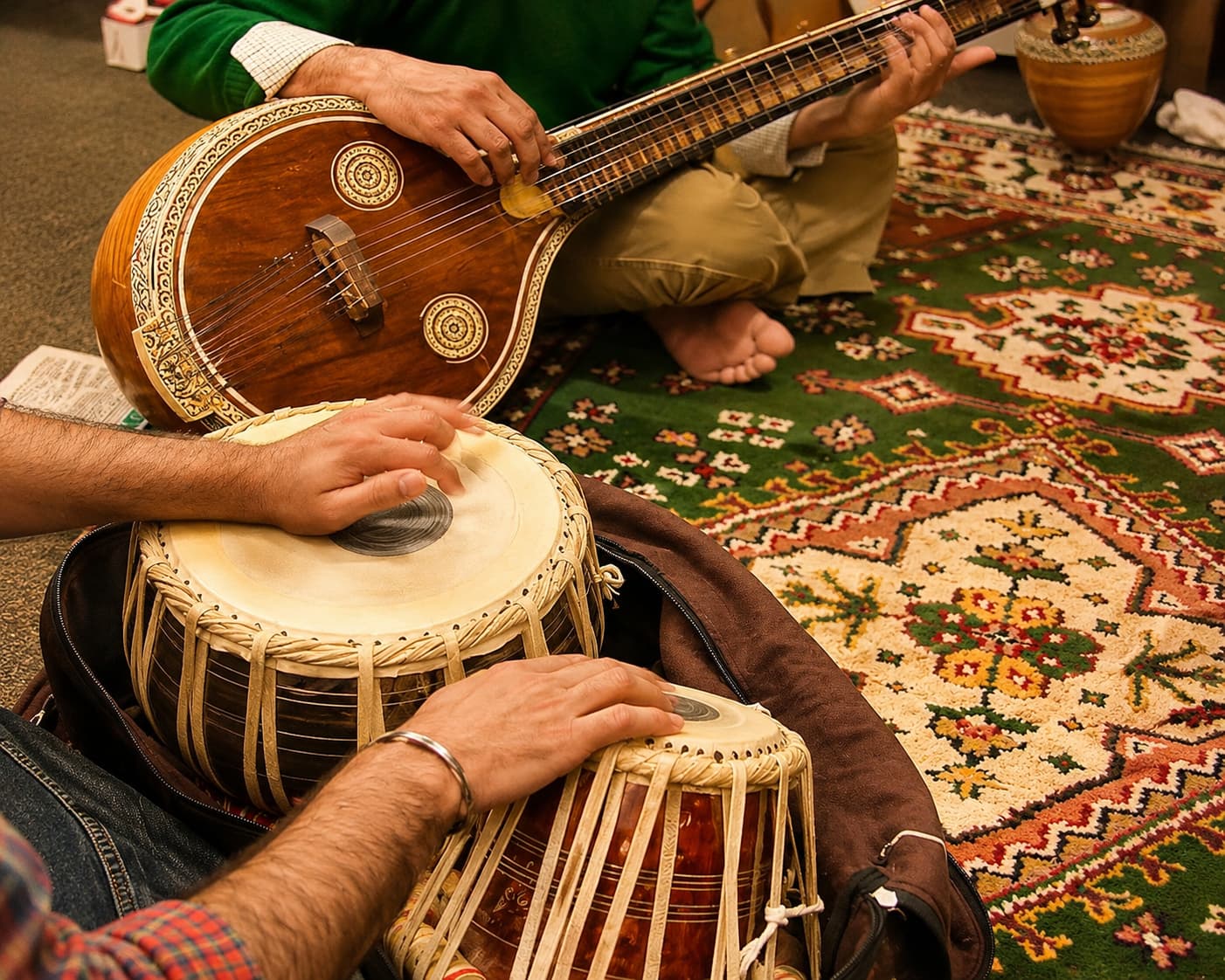
India is often introduced through its magnificent monuments, historic forts, ancient temples and beautiful landscapes. However, beyond these familiar landmarks lies another side of the country, one that reveals itself through music, dance, festivals and traditions passed down through generations. From the rhythmic beats of Rajasthan's folk musicians to the energetic celebrations of Punjab and the graceful movements of Kerala's traditional performers, India's cultural identity lives in its communities.
The folk dances of India offer a fascinating way to understand this diversity. Every region has its own rhythms, movements, costumes and stories, reflecting the lifestyle, beliefs and history of the people who call it home. Similarly, traditional music and community celebrations preserve memories that written history cannot always capture.
For travellers interested in cultural tourism in India, these experiences provide an opportunity to connect with the country beyond conventional sightseeing. Rather than simply visiting a destination, visitors can discover how people celebrate, express themselves and preserve their heritage through everyday traditions.
Understanding the Cultural Diversity of India Through Music and Dance
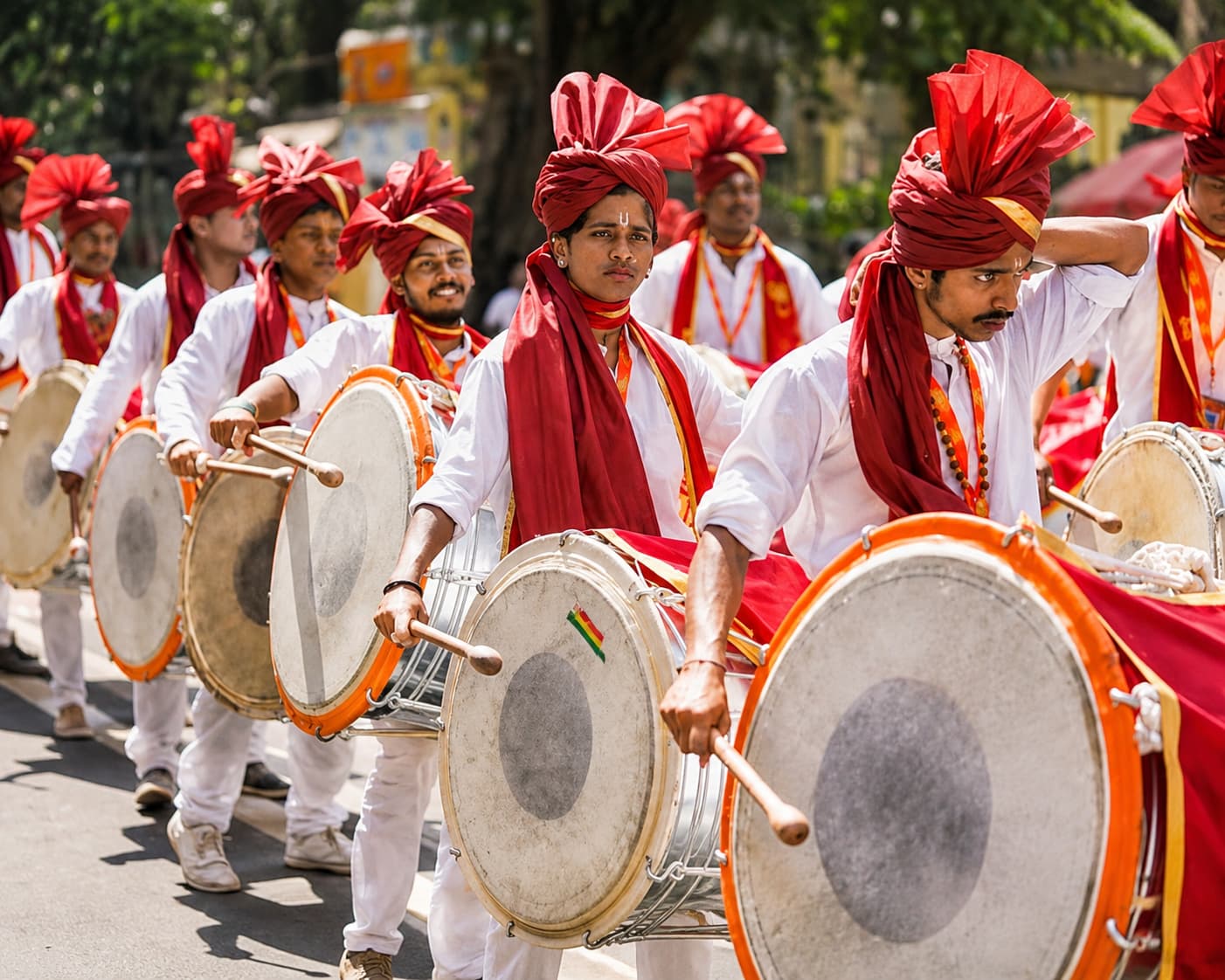
India's cultural diversity is reflected in its languages, food, clothing, festivals, music and performing arts. Each region has developed distinctive traditions influenced by its geography, history, communities and local beliefs.
In Rajasthan, folk performances often reflect stories of royalty, desert life and community celebrations. Meanwhile, Punjab's energetic dances celebrate harvests and social gatherings. In the Northeast, traditional music and dance frequently express a deep relationship with nature, agriculture and community identity.
Moreover, these traditions are not simply performances created for visitors. Many continue to play an important role in weddings, seasonal festivals, religious gatherings and village celebrations. Music and dance therefore offer more than entertainment. They provide a window into how different communities understand their surroundings, remember their past and express their identities.
Folk Dances of India: Stories Told Through Movement
The folk dances of India are among the country's most expressive cultural traditions. Although their movements and styles vary considerably, they share a common purpose: bringing communities together through rhythm, storytelling and celebration.
Here are some remarkable traditional dance forms that help reveal India's regional character.
Ghoomar – The Graceful Rhythms of Rajasthan
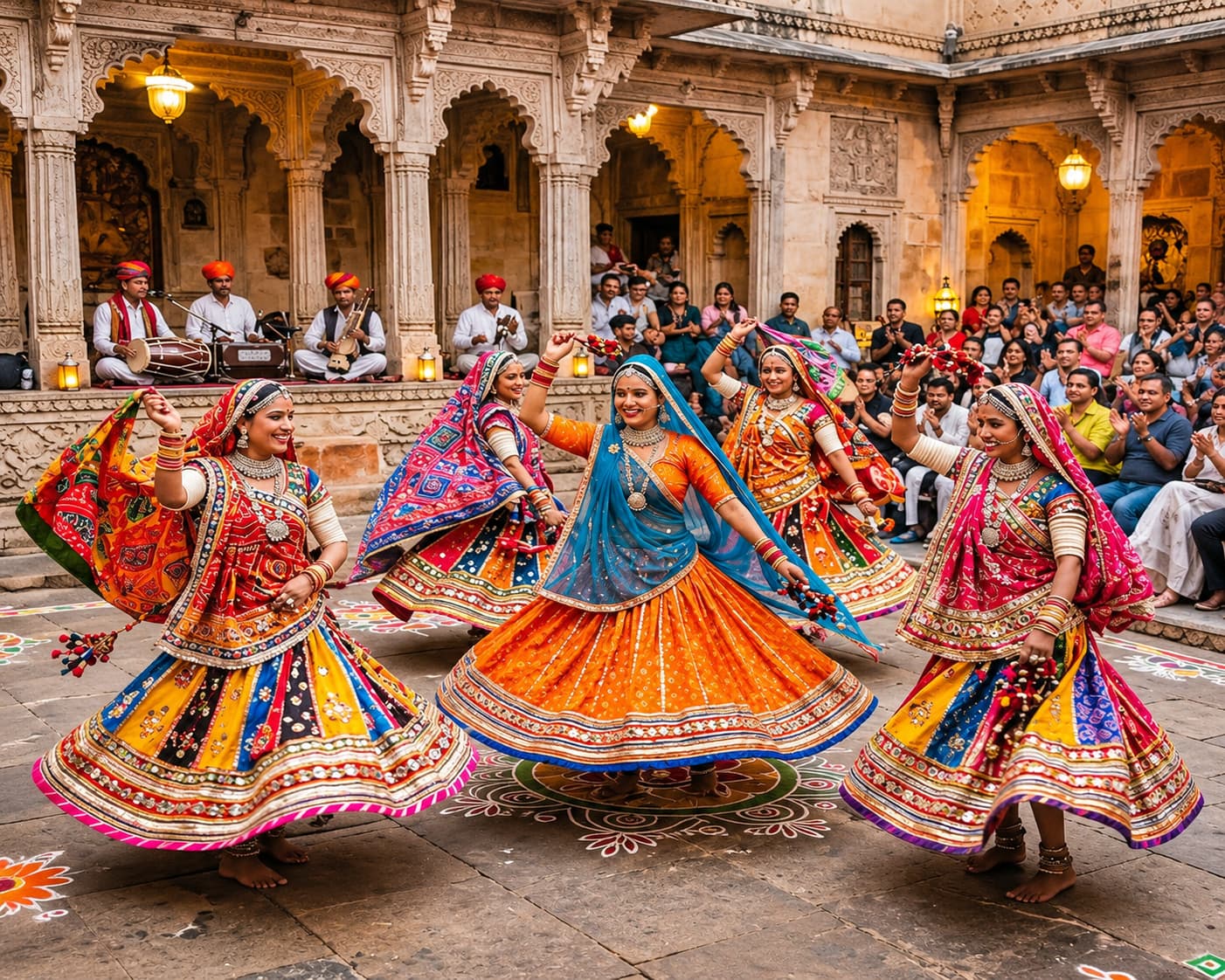
Ghoomar is one of Rajasthan's most recognisable folk dances, traditionally performed by women during festivals, weddings and special celebrations. Its graceful circular movements, colourful ghagras and rhythmic footwork create a beautiful visual spectacle.
As dancers move together in circles, their flowing skirts create patterns of colour and motion. Accompanied by traditional folk music, Ghoomar reflects the celebratory spirit and cultural heritage of Rajasthan.
Bhangra and Giddha – The Celebratory Spirit of Punjab
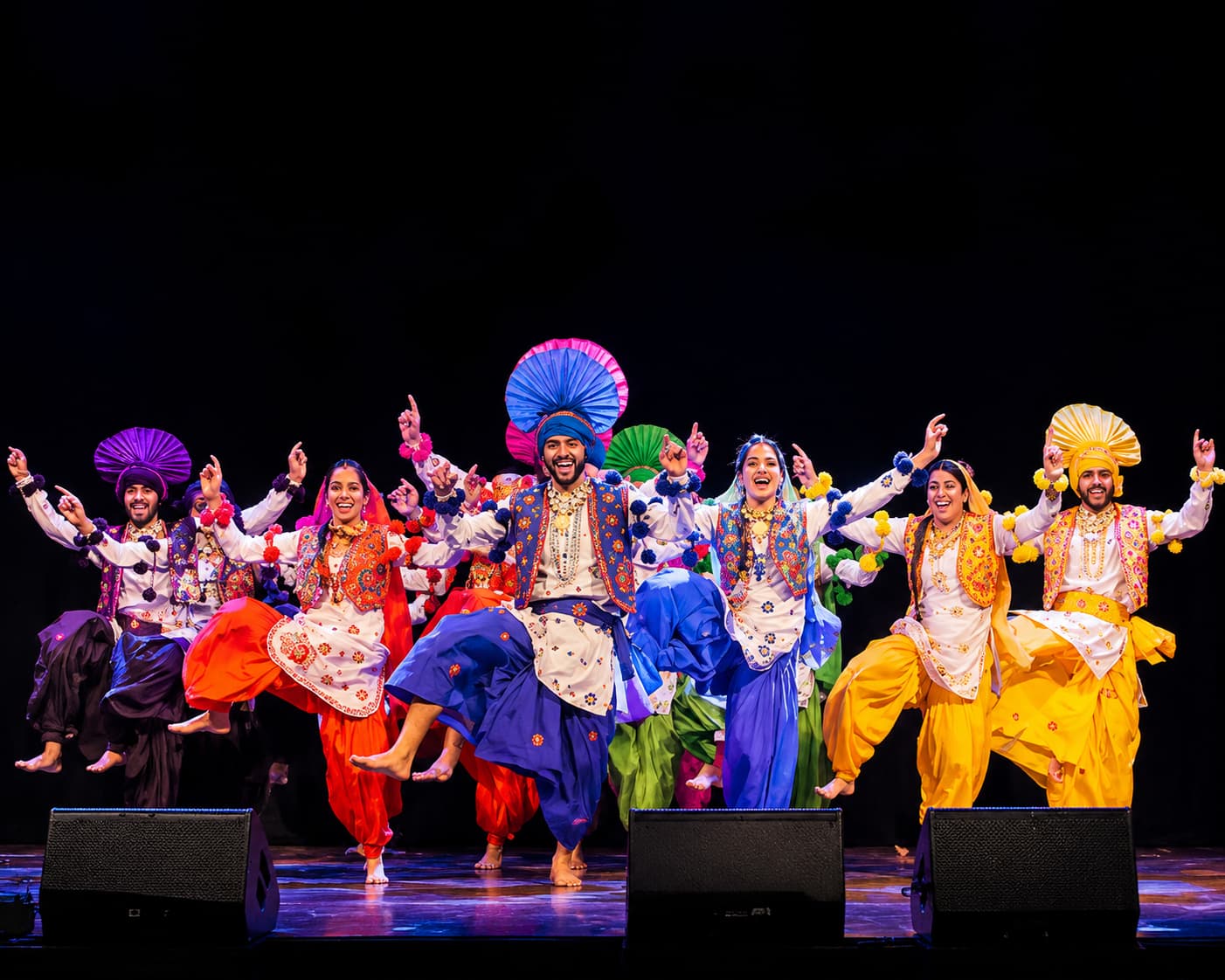
Punjab's folk traditions are closely connected with agriculture, seasonal celebrations and community life.
Bhangra is a lively dance traditionally associated with the harvest season, particularly Baisakhi. Its energetic movements, powerful beats and rhythmic expressions reflect the joy of agricultural celebrations.
Giddha, traditionally performed by women, offers a different form of expression. Through clapping, graceful movements and boliyan (short traditional verses), performers share stories about relationships, everyday experiences and social life.
Together, Bhangra and Giddha reveal the vibrant and welcoming spirit of Punjabi culture.
Bihu – Celebrating Life in Assam
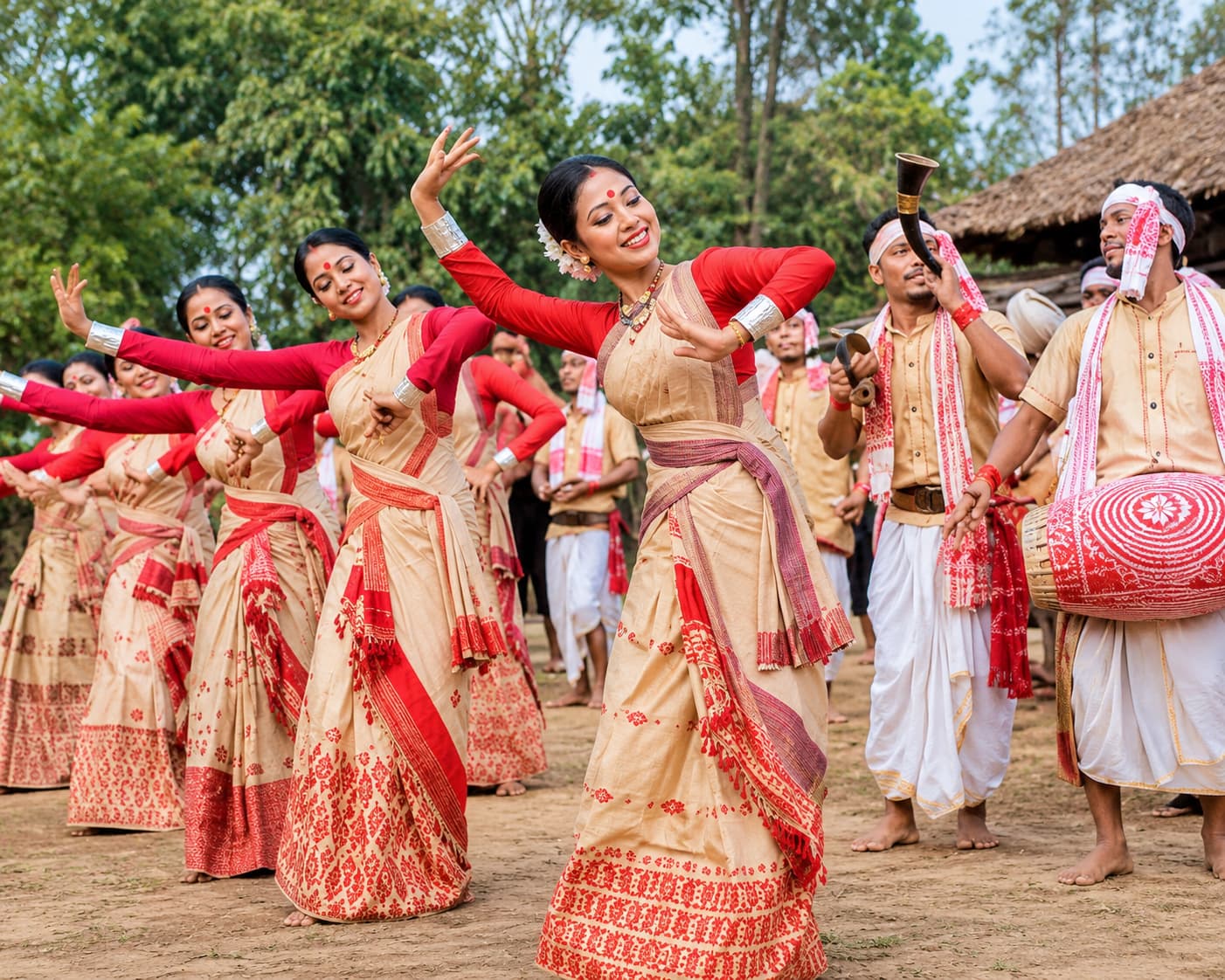
Bihu is one of Assam's most important cultural celebrations, with music and dance playing a central role in its festivities.
Rongali Bihu, celebrated in spring, marks the Assamese New Year and the beginning of the agricultural season. During this celebration, young men and women perform Bihu dance accompanied by traditional instruments such as the Dhokla, pepa and gogona.
The lively movements, colourful traditional attire and cheerful music express joy, renewal and the close relationship between Assamese communities and nature.
Garba and Dandiya Rags – The Festive Traditions of Gujarat
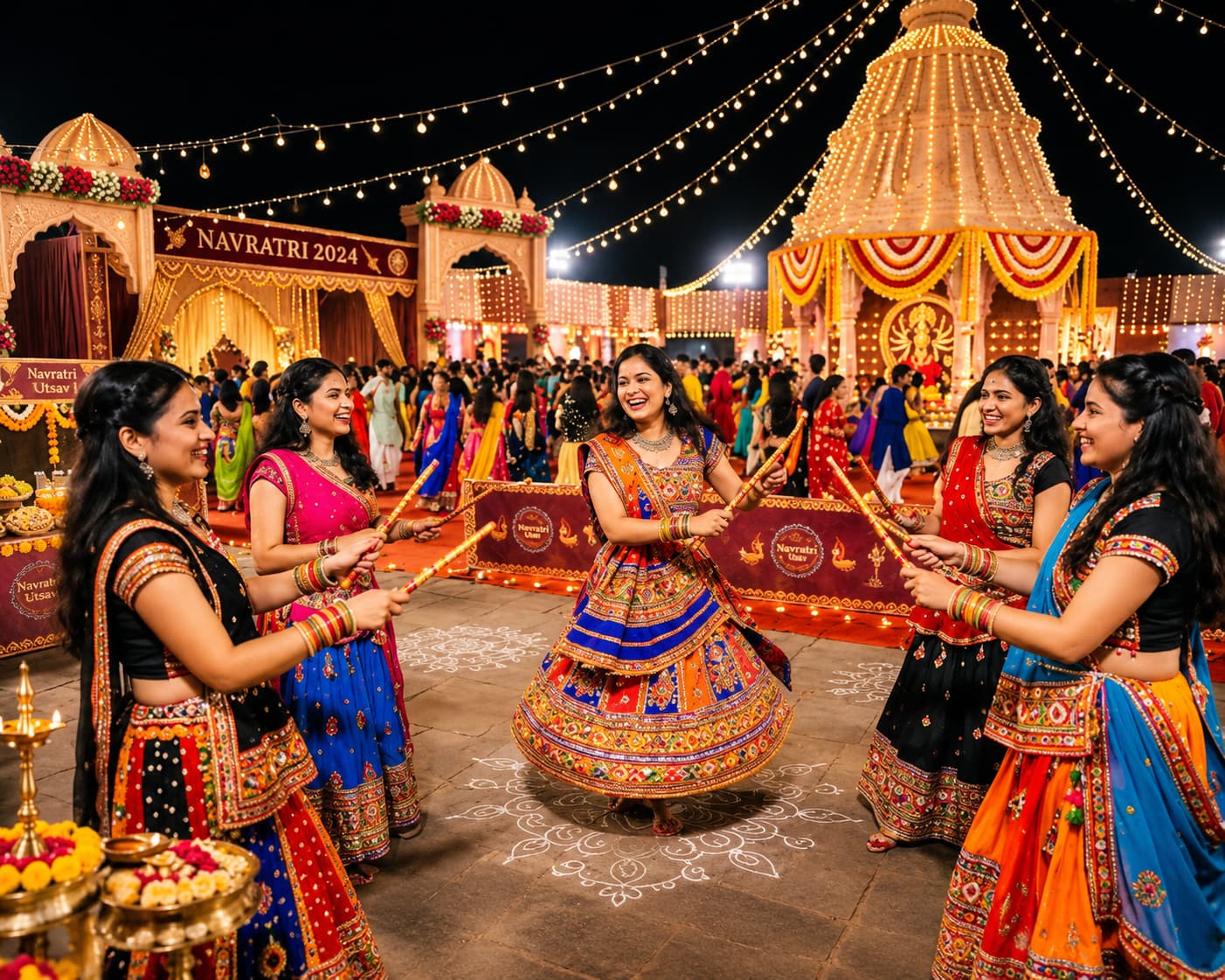
Gujarat's Garba and Dandiya Rags are among India's most recognisable community dance traditions. Garba is traditionally performed in circular formations around a centrally placed lamp or symbolic representation of the divine feminine. Its movements reflect devotion, unity and the celebration of life.
Dandiya Rags, on the other hand, involves dancers moving in coordinated patterns while striking decorated wooden sticks to the rhythm of traditional music. Both dance forms are especially associated with Navratri, when communities gather for several nights of music, devotion and celebration.
Lavani – The Expressive Folk Tradition of Maharashtra
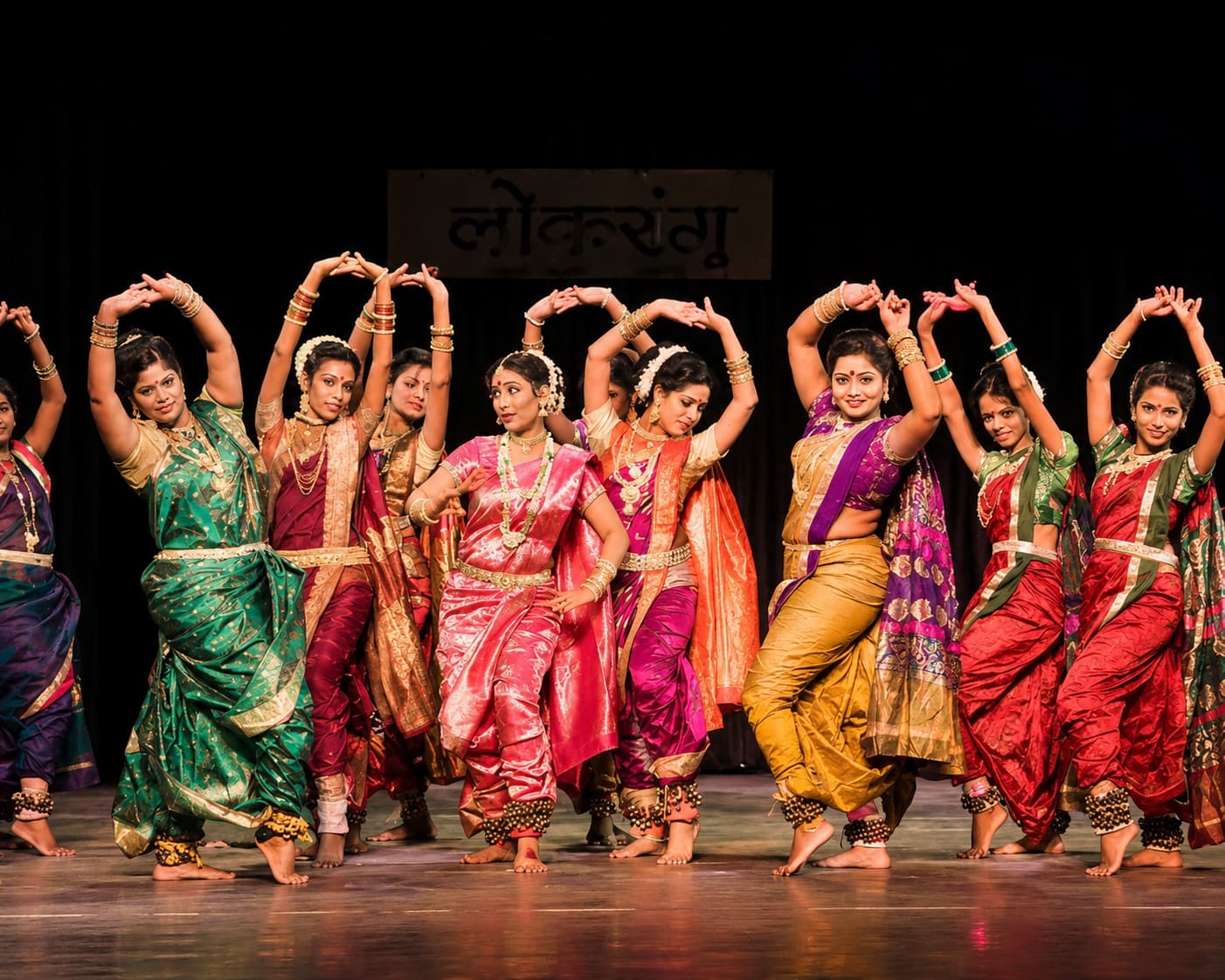
Lavani is a traditional performance art from Maharashtra, known for its expressive movements, rhythmic music and powerful storytelling.
Traditionally accompanied by the dholki, Lavani combines dance, poetry and music. Performers often wear the traditional nine-yard Nauvari saree, which adds to the distinctive visual character of the performance.
Beyond its entertainment value, Lavani reflects social themes, emotions and aspects of everyday life through its lyrics and expressive presentation.
Beyond Dance: The Folk Music That Gives India Its Rhythm
While dance is one of the most visible expressions of India's cultural identity, folk music provides the rhythm and stories behind many of these traditions.
Across the country, traditional musicians use locally developed instruments, regional languages and oral storytelling to preserve their cultural heritage.
Some notable examples include:
Manganiyar and Langa Music – Rajasthan
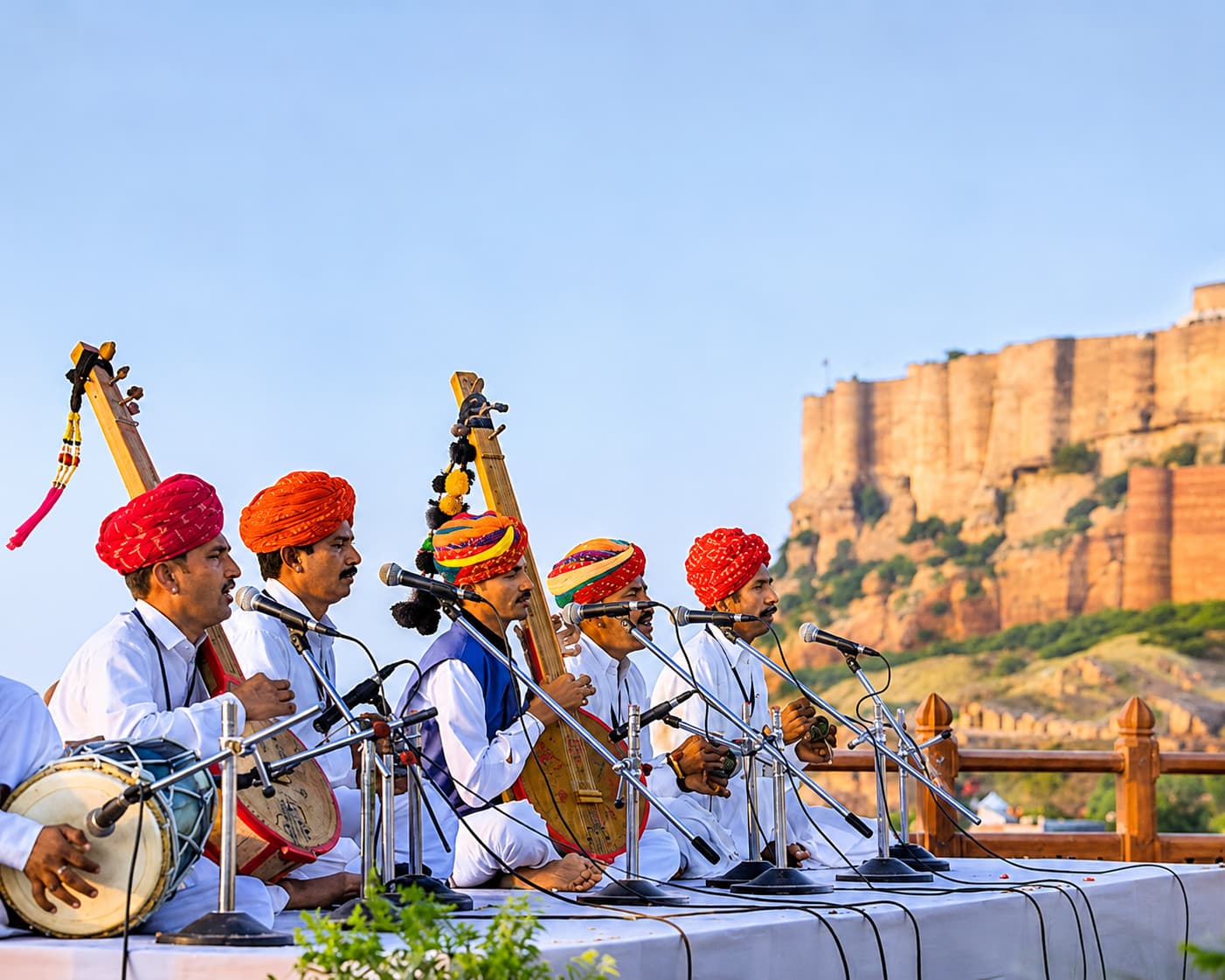
The Manganiyar and Langa communities are known for their rich musical traditions. Their performances often feature instruments such as the kamaicha, sarangi, khartal and dholak. Their songs reflect devotion, local history, celebrations and stories passed between generations.
Baul Music – Bengal
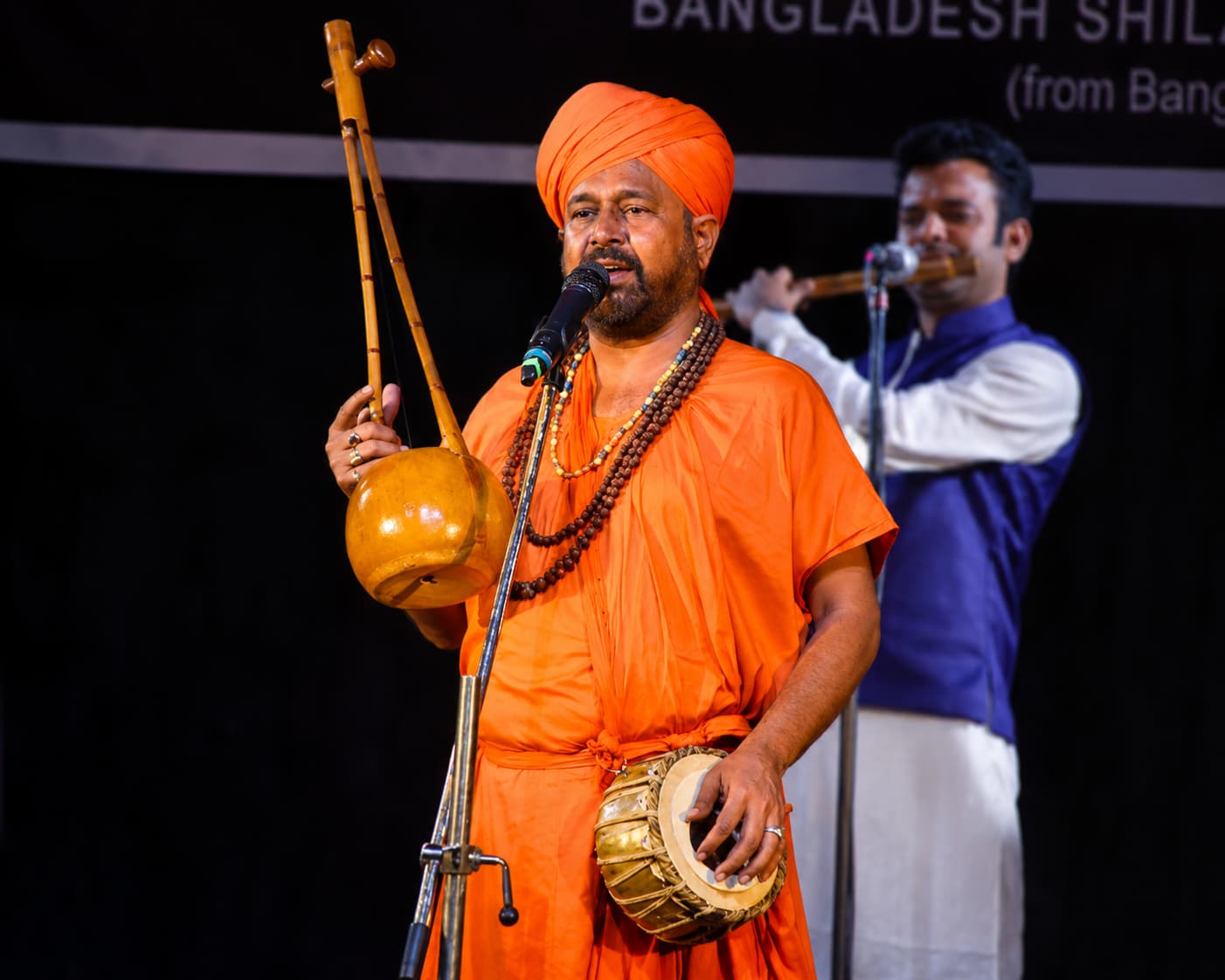
Baul music comes from the spiritual and philosophical traditions of Bengal. Baul singers often travel with simple instruments such as the ektara, sharing songs about humanity, spirituality and the search for inner truth.
Bihu Music – Assam
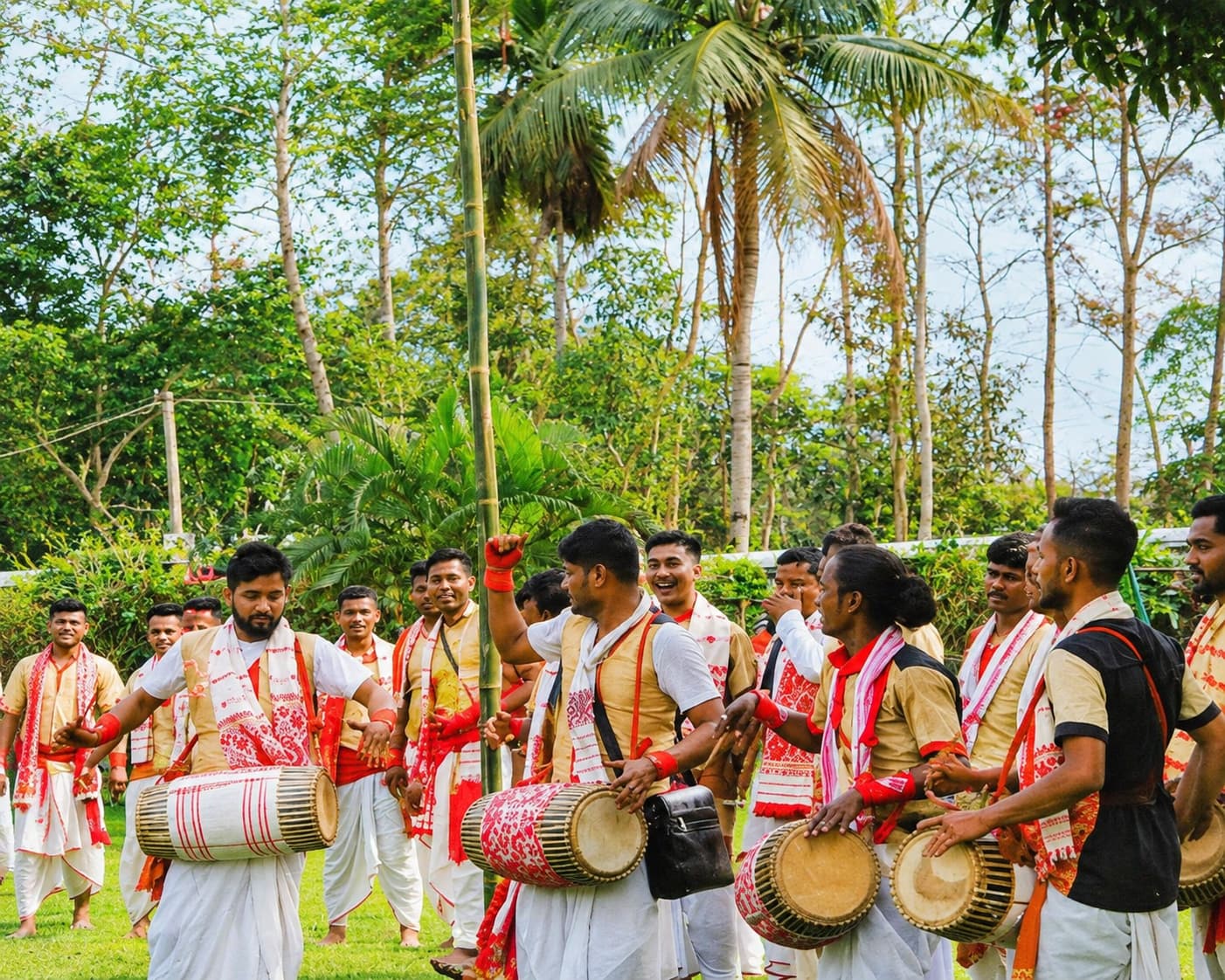
Traditional Bihu music features instruments such as the Dhokla, pepa and taal. Its lively rhythms accompany seasonal celebrations and express the joy of Assamese rural life.
Pandavani – Chhattisgarh
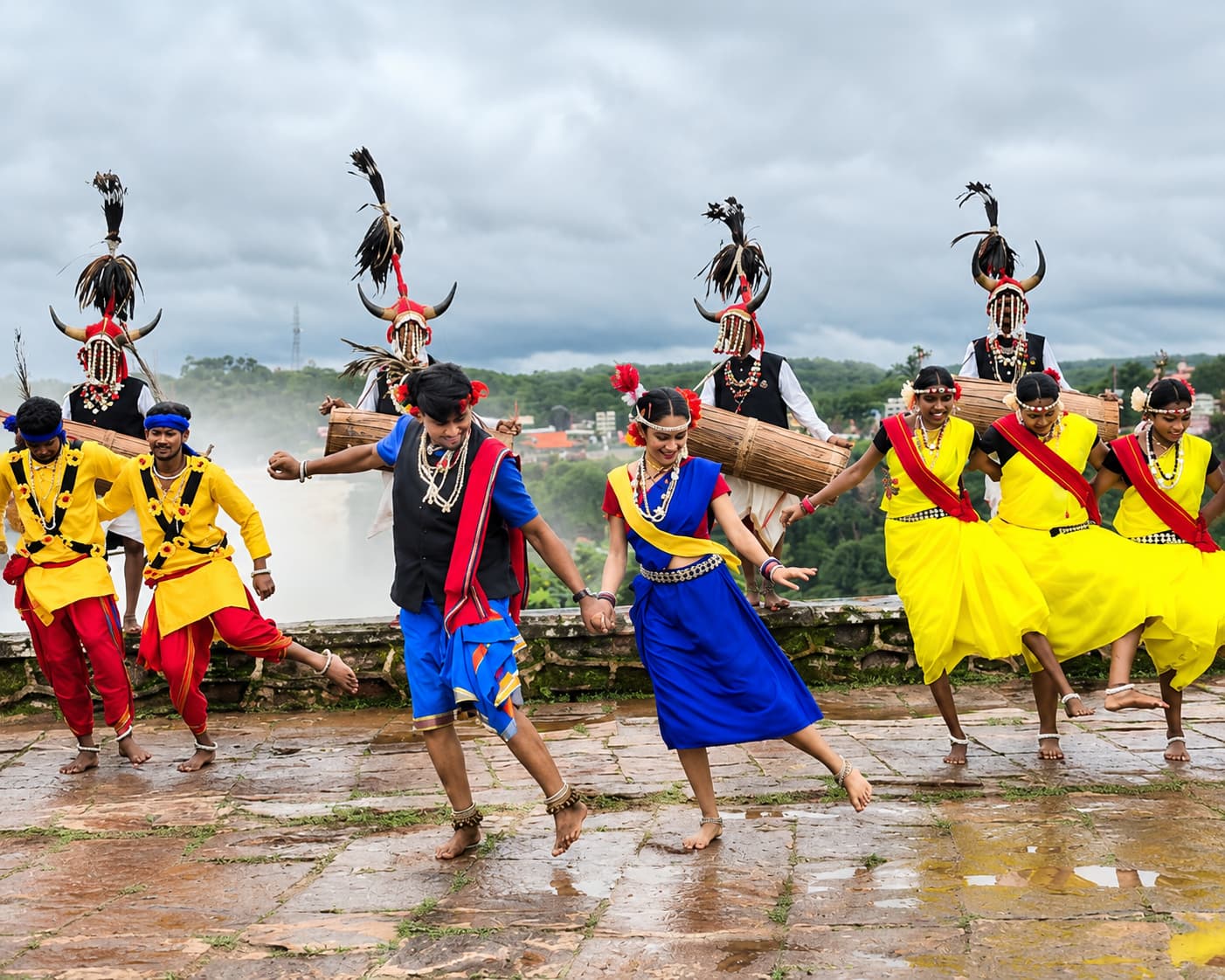
Pandavani is a traditional storytelling performance based on episodes from the Mahabharata. Performers narrate stories through singing, dialogue and expressive gestures, often using the ektara or tambura as a musical accompaniment. These musical traditions demonstrate how folk music continues to preserve regional languages, stories and community memories.
Why India's Living Traditions Deserve to Be Experienced
India's cultural heritage is not limited to monuments, museums or historical records. It continues to exist in village celebrations, family gatherings, seasonal festivals, traditional songs and performances that bring communities together.
However, as lifestyles change and younger generations move towards different forms of entertainment and expression, preserving traditional knowledge becomes increasingly important.
Many communities continue to pass their music, dance and storytelling traditions from one generation to another. Cultural organisations, local artists and festivals also play an important role in keeping these art forms visible.
For travellers, experiencing these traditions offers a deeper understanding of India. It creates opportunities to appreciate the people, stories and cultural identities behind each destination.
Experience the India That Lives Beyond Its Landmarks
India is a country that reveals itself in many ways. It can be found in the rhythm of a Rajasthani folk performance, the joyful movements of Bhangra, the spiritual songs of Bengal and the colourful celebrations of Assam and Gujarat.
The folk dances of India and its regional music traditions are more than artistic expressions. They are living connections to history, community and identity.
Through cultural tourism in India, travellers can discover these stories beyond the familiar sightseeing routes and develop a deeper appreciation of the country's cultural diversity.
At Great India Travel, we believe that meaningful journeys are about more than the places you visit. They are about the people you meet, the traditions you experience and the stories you carry home.
Because the real beauty of India is not only found in the landmarks you see, but also in the traditions you feel and the stories you experience.