
Planning an India holiday and wondering about the best time to visit India? The answer depends on where you want to go, what you want to experience and how you feel about heat, rain and crowds. India covers a vast area, so its weather changes significantly from one region to another.
For most first-time visitors planning a classic journey through Delhi, Agra, Jaipur, Rajasthan and Varanasi, October to March offers comfortable conditions. Meanwhile, Kerala, Goa and other parts of South India follow a different seasonal pattern, while the Himalayas and Ladakh have their own travel windows.
Therefore, instead of choosing one month for the whole country, it makes sense to match your travel dates with your destinations and interests. This month-by-month guide explains the best time to visit India, what the weather feels like, which regions work well in each season and how to plan a smoother first trip.
What Is the Best Time to Visit India?
For many first-time travellers, October to March is the best time to visit India. During these months, much of northern and central India experiences cooler, drier weather, which makes sightseeing more comfortable.
However, India does not have one universal travel season. Southern states can remain warm through winter, the monsoon transforms landscapes between June and September, and high-altitude destinations such as Ladakh follow a very different calendar.
As a result, the ideal travel period depends on your itinerary. A Rajasthan tour may work beautifully in December, whereas a Ladakh journey suits the warmer months. Similarly, Kerala can be rewarding during different seasons depending on whether you prefer drier weather, lush landscapes or a quieter atmosphere.
Best Time to Visit India by Season
October to November: A Great Start to the Travel Season
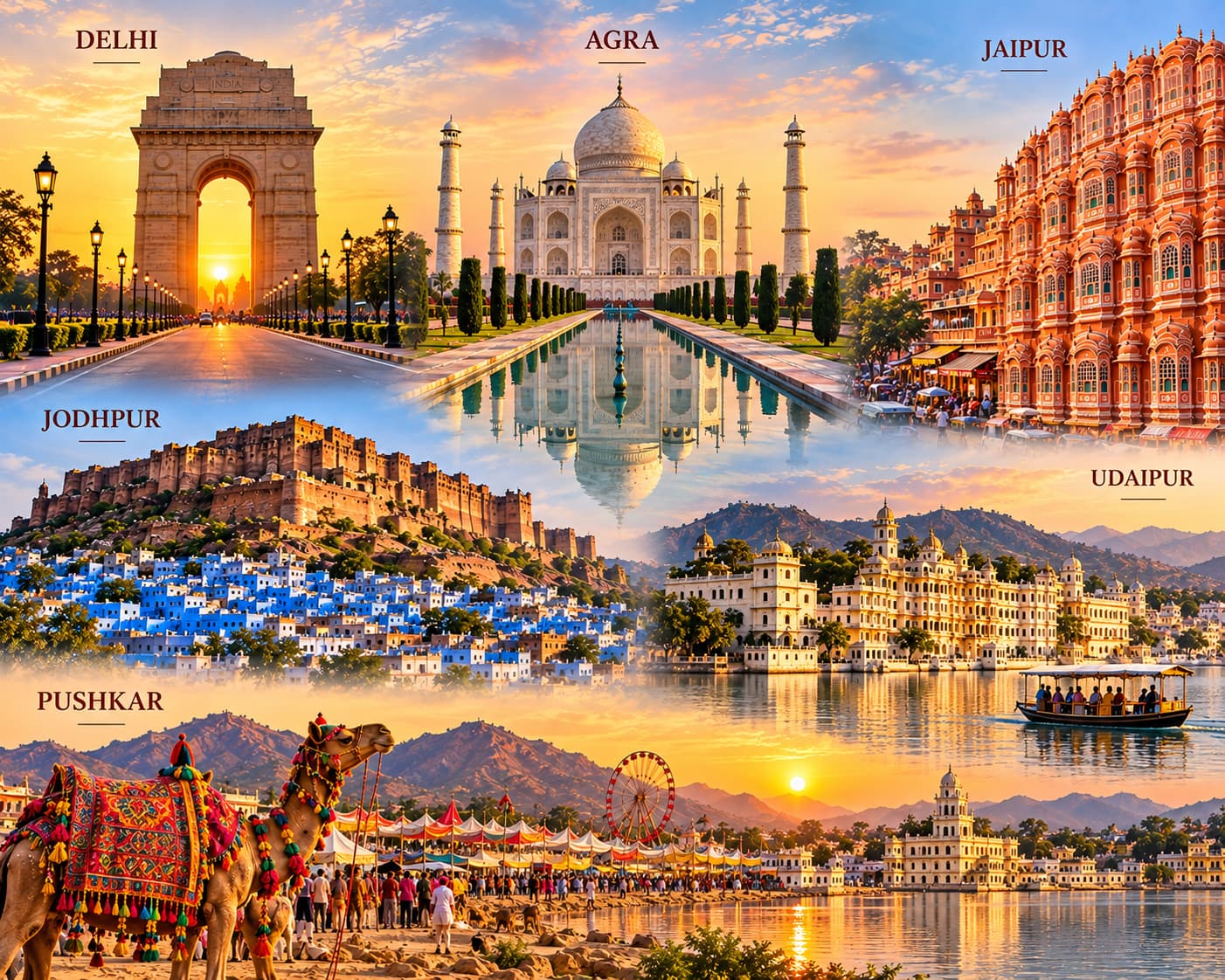
October often marks the beginning of the popular travel season across northern India. The monsoon usually starts to withdraw, skies become clearer and temperatures gradually become more comfortable.
Moreover, November brings excellent conditions for destinations such as Delhi, Agra, Jaipur, Jodhpur and Udaipur. Rajasthan also hosts the famous Pushkar Camel Fair around this period, although the exact dates change each year.
This period works especially well for travellers who want to combine sightseeing, cultural experiences and outdoor exploration. Nevertheless, popular cities and attractions can become busy, so booking accommodation and key experiences ahead of time makes sense.
December to February: The Most Popular Months
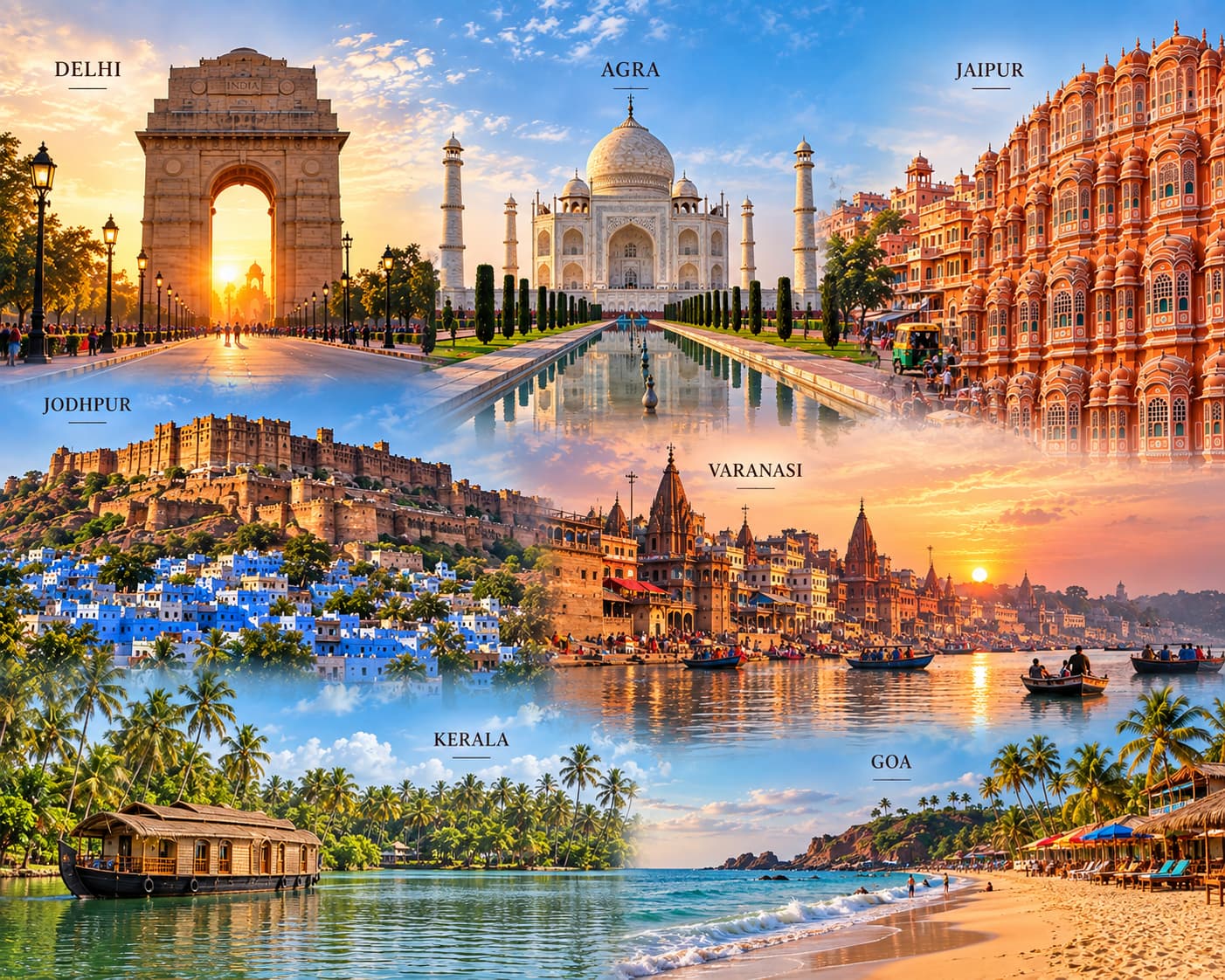
December, January and February are among the most popular months for a classic India holiday. Northern destinations generally enjoy cooler daytime temperatures, although mornings and evenings can feel quite cold, particularly in northern Rajasthan, Delhi and areas farther north.
Consequently, these months suit travellers who want to explore the Golden Triangle, Rajasthan and Varanasi without facing the intense heat of late spring.
At the same time, southern destinations such as Kerala and Goa offer a warmer winter escape. This makes December to February particularly attractive for travellers who want to combine northern India's heritage with beaches, backwaters or tropical landscapes.
March: Pleasant Weather and Colourful Festivals
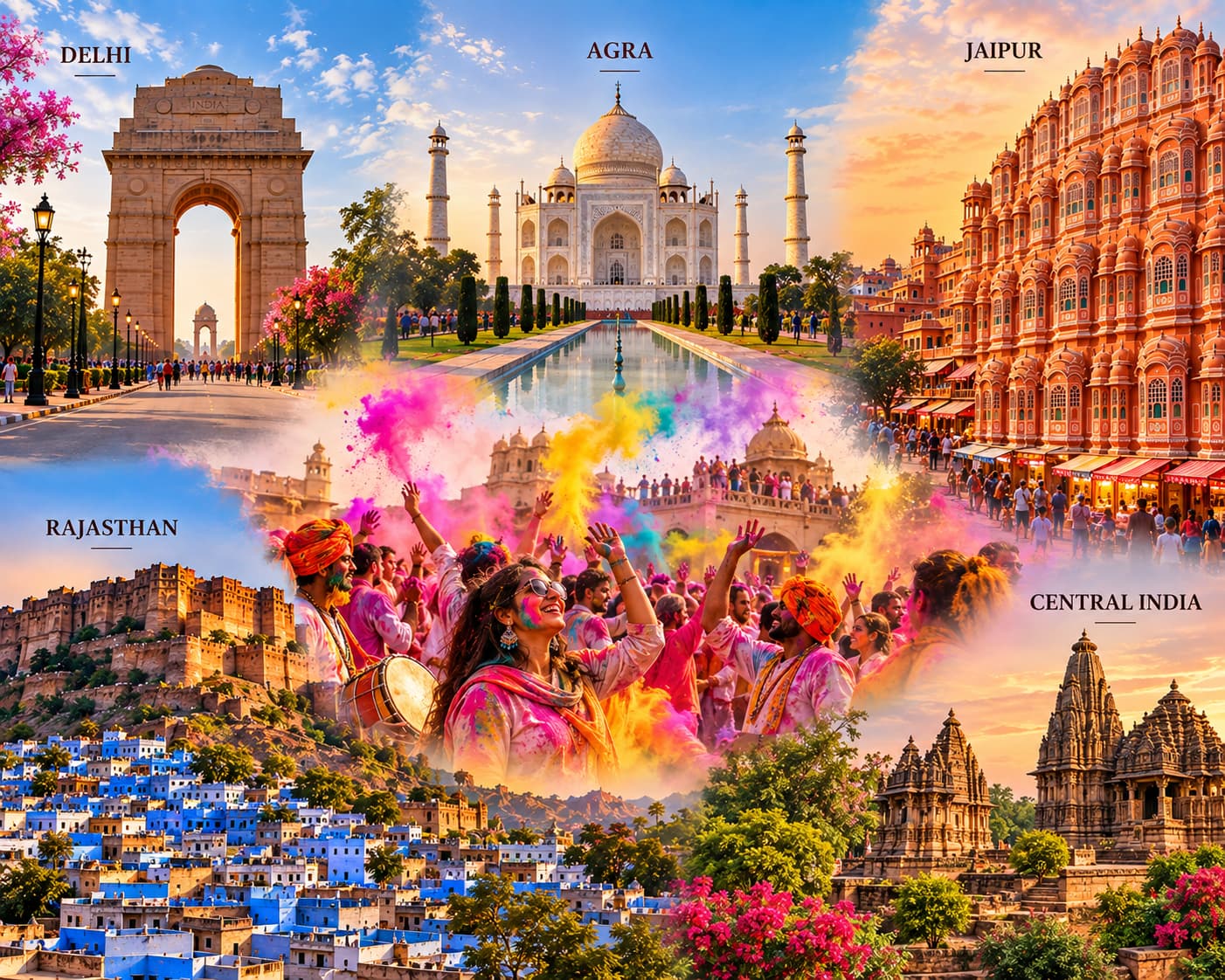
March offers a fascinating combination of comfortable travel conditions and vibrant cultural experiences. Temperatures begin to rise, yet many northern destinations remain manageable for sightseeing during the earlier part of the month.
Most importantly, Holi usually takes place in March, although the exact date changes each year. Experiencing Holi can add an unforgettable cultural dimension to an India journey.
Furthermore, March can work well for travellers who want to explore Rajasthan, Delhi, Agra and parts of central India before the hotter months arrive.
April to May: Hotter Weather, Better for Selected Regions
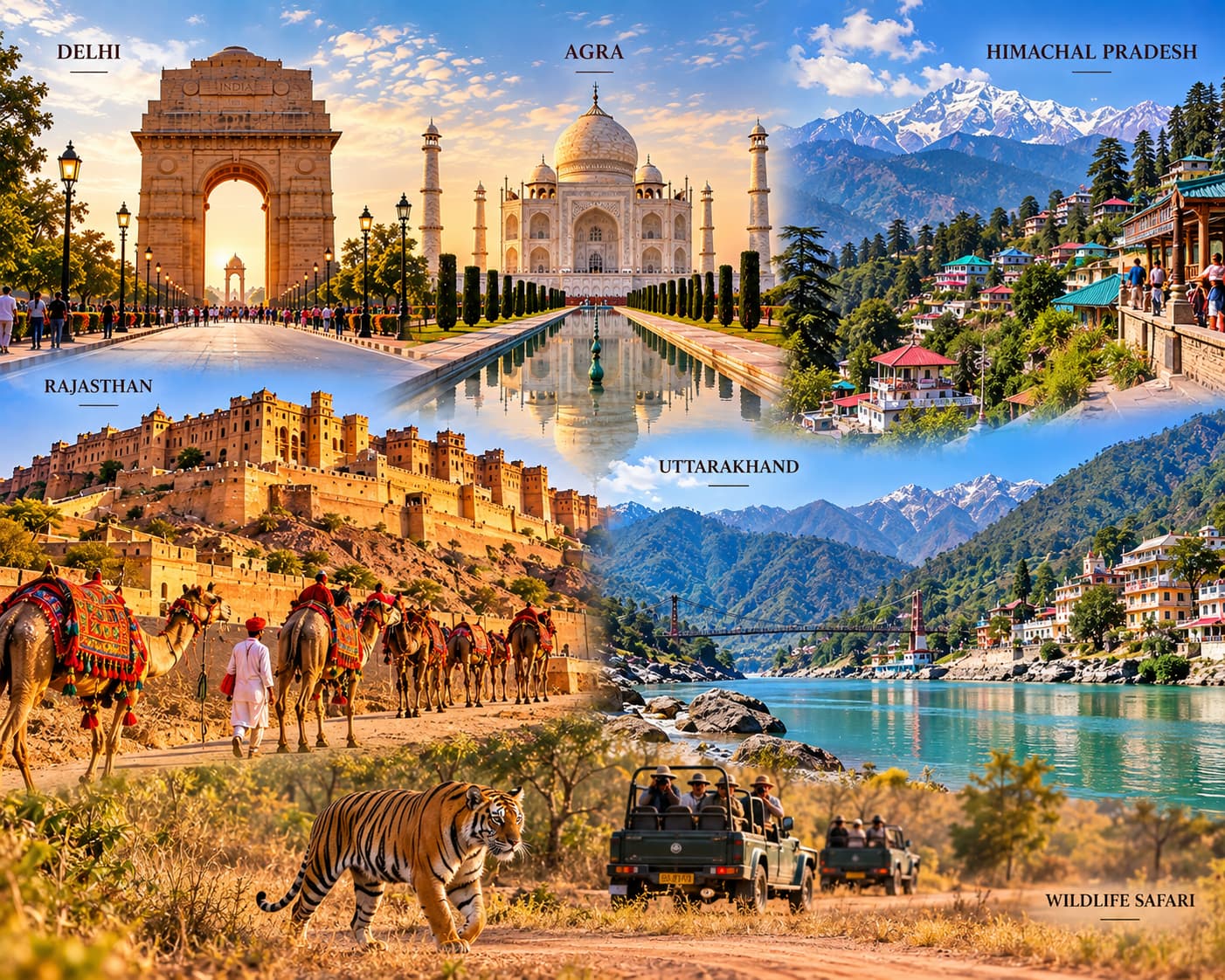
April and May bring rising temperatures across much of India. In Rajasthan, Delhi, Agra and other northern plains, daytime heat can become intense. Nevertheless, these months can still work well if you choose your destinations carefully. Himalayan regions, hill stations and some wildlife areas can offer very different conditions from the plains.
For example, travellers may consider Himachal Pradesh, Uttarakhand or selected higher-altitude destinations during this period. Wildlife enthusiasts may also find April and May rewarding for safaris because animals often gather around remaining water sources, although temperatures can be high.
If you plan to travel during these months, start sightseeing early, take regular breaks and choose accommodation with reliable air conditioning.
June to September: Monsoon Season
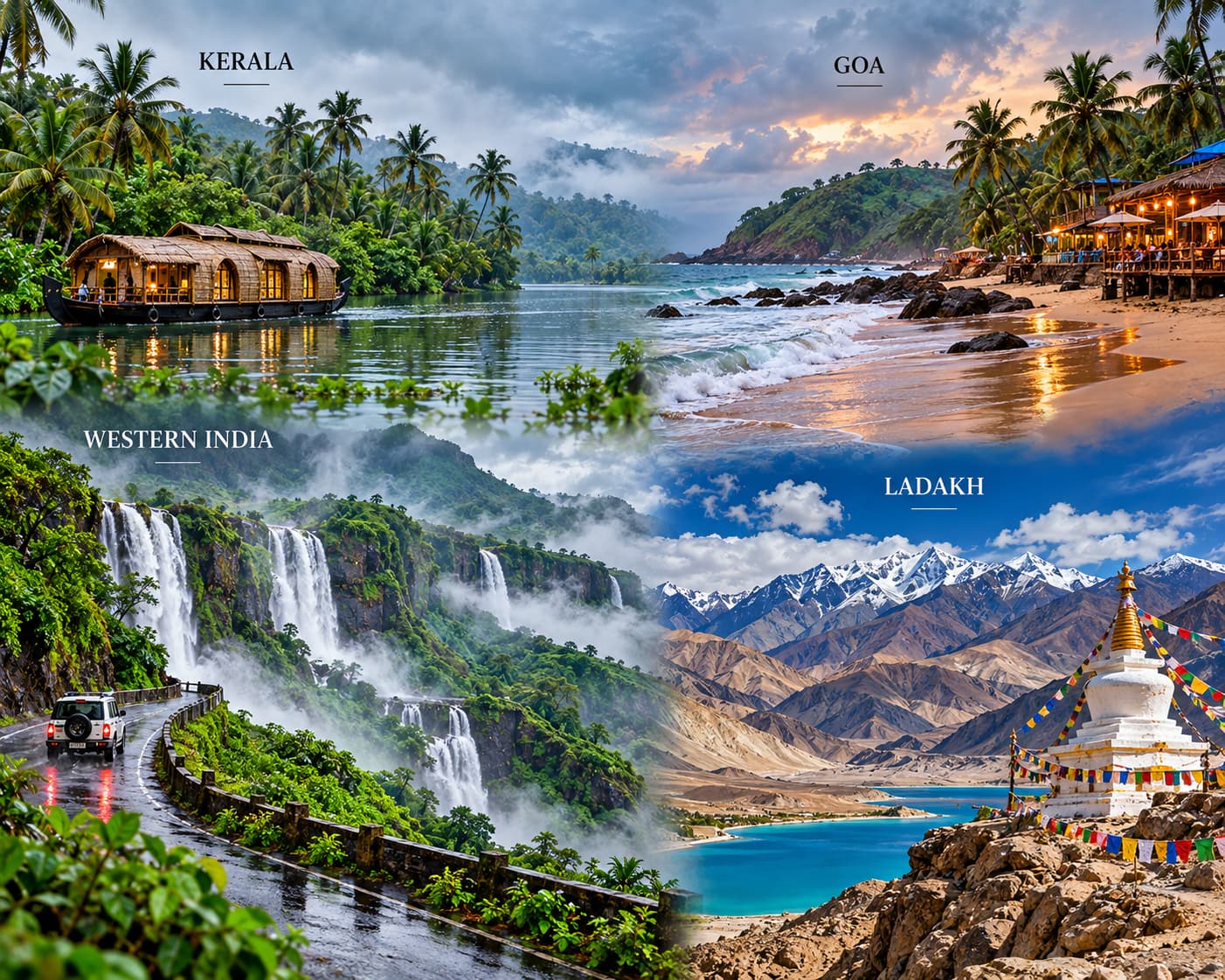
The Indian monsoon generally brings widespread rainfall from June onwards, although timing and intensity vary across regions. Rather than treating the monsoon as a reason to avoid India completely, consider it another way to experience the country.
Kerala, Goa and parts of western and southern India can become exceptionally green during the rainy season. Waterfalls become more dramatic, landscapes look fresh and some destinations feel quieter.
Meanwhile, Ladakh offers a major exception. Its location in the rain shadow of the Himalayas means that the region receives far less monsoon rainfall than many other parts of India. The summer months therefore provide one of the main windows for visiting Ladakh.
Best Time to Visit India for Different Regions
Best Time to Visit Rajasthan
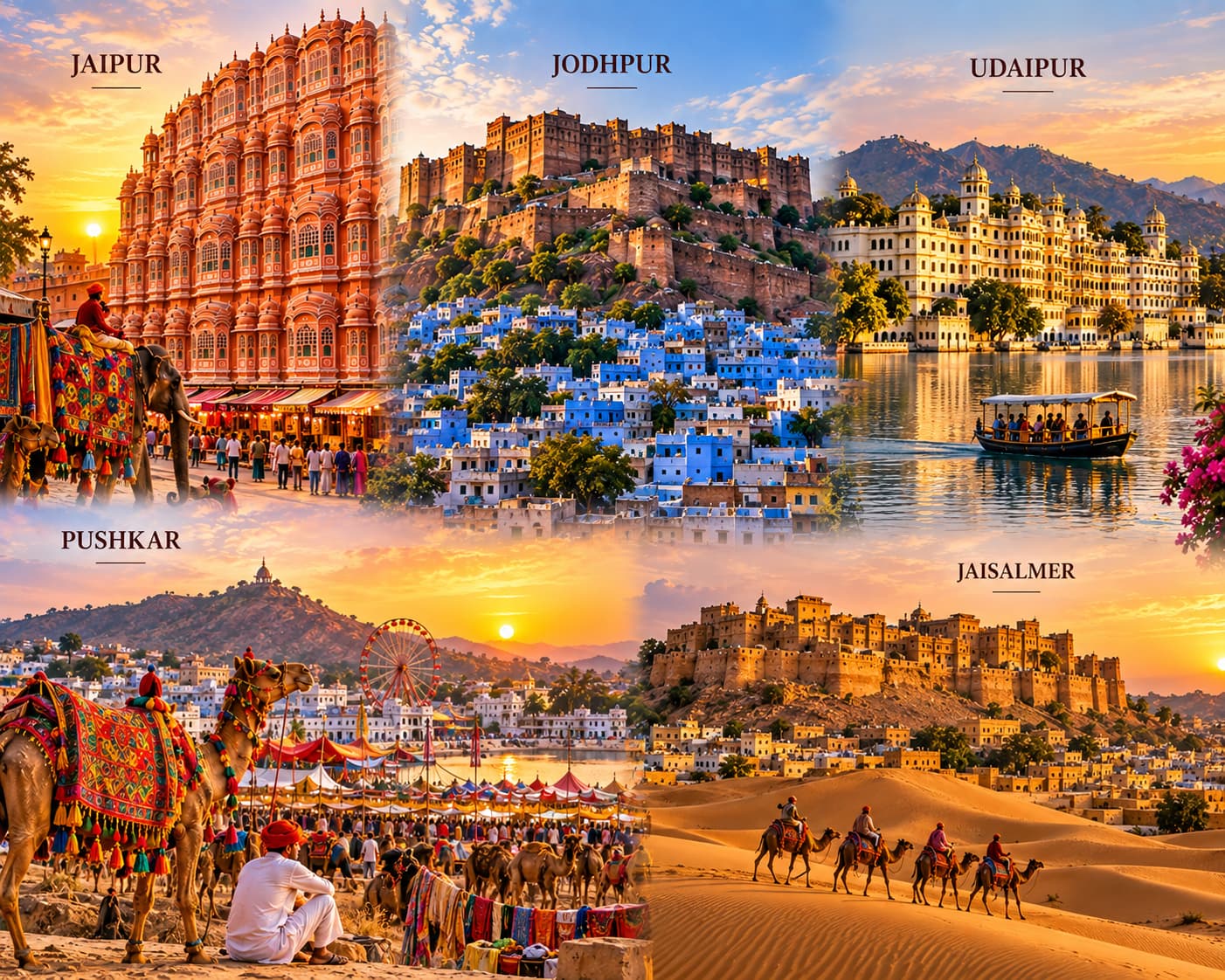
October to March generally works well for Rajasthan. The cooler months make sightseeing in Jaipur, Jodhpur, Udaipur, Pushkar and Jaisalmer more comfortable than the hotter part of the year.
Furthermore, this period allows travellers to enjoy forts, palaces, markets and cultural experiences without dealing with the extreme summer heat.
Best Time to Visit Kerala
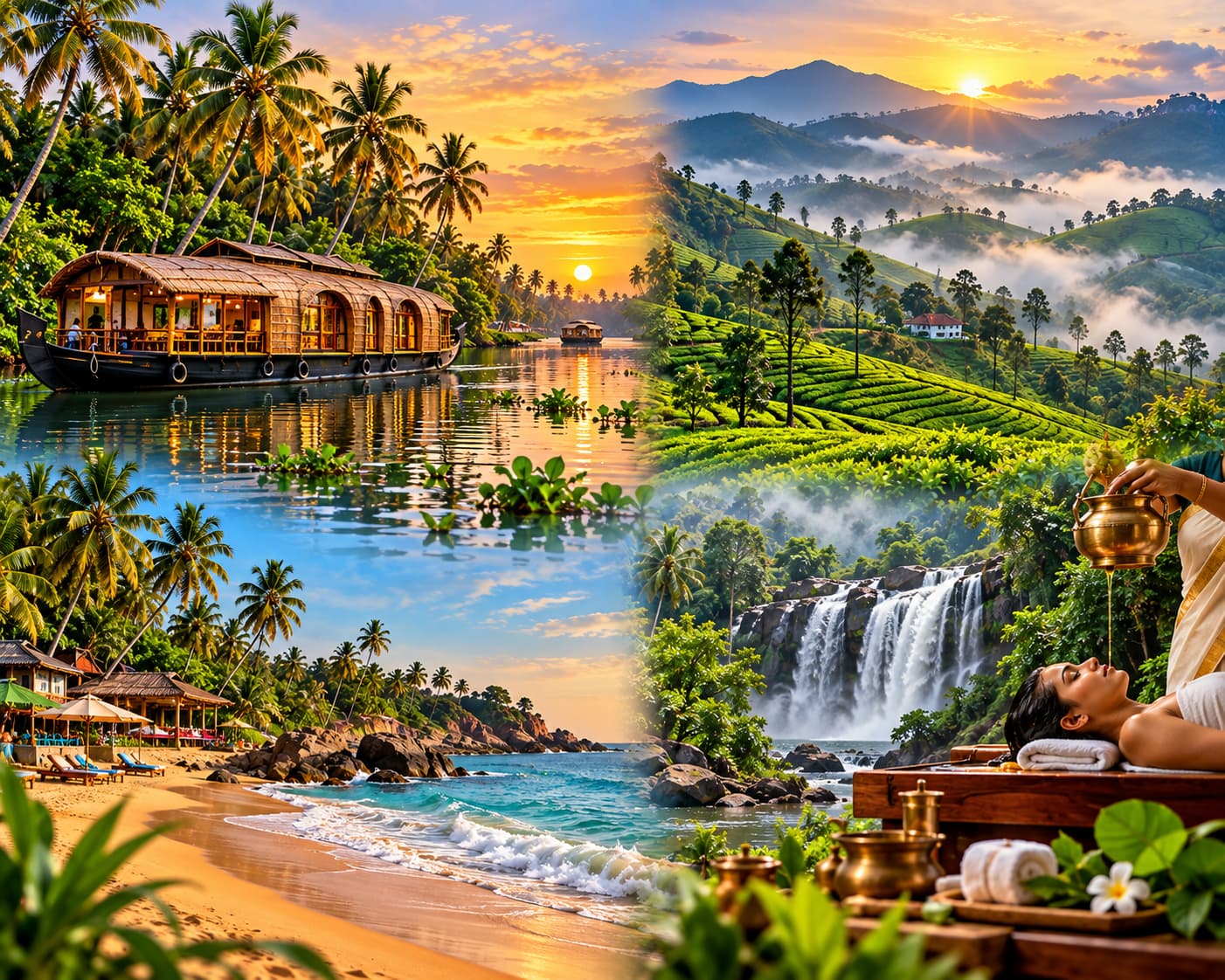
Kerala has a warm tropical climate, so the ideal period depends on your interests. The drier winter months can suit sightseeing and beach holidays, while the monsoon creates lush scenery and supports experiences such as Ayurveda and wellness retreats.
Consequently, Kerala can offer a rewarding experience beyond the traditional peak season.
Best Time to Visit Goa
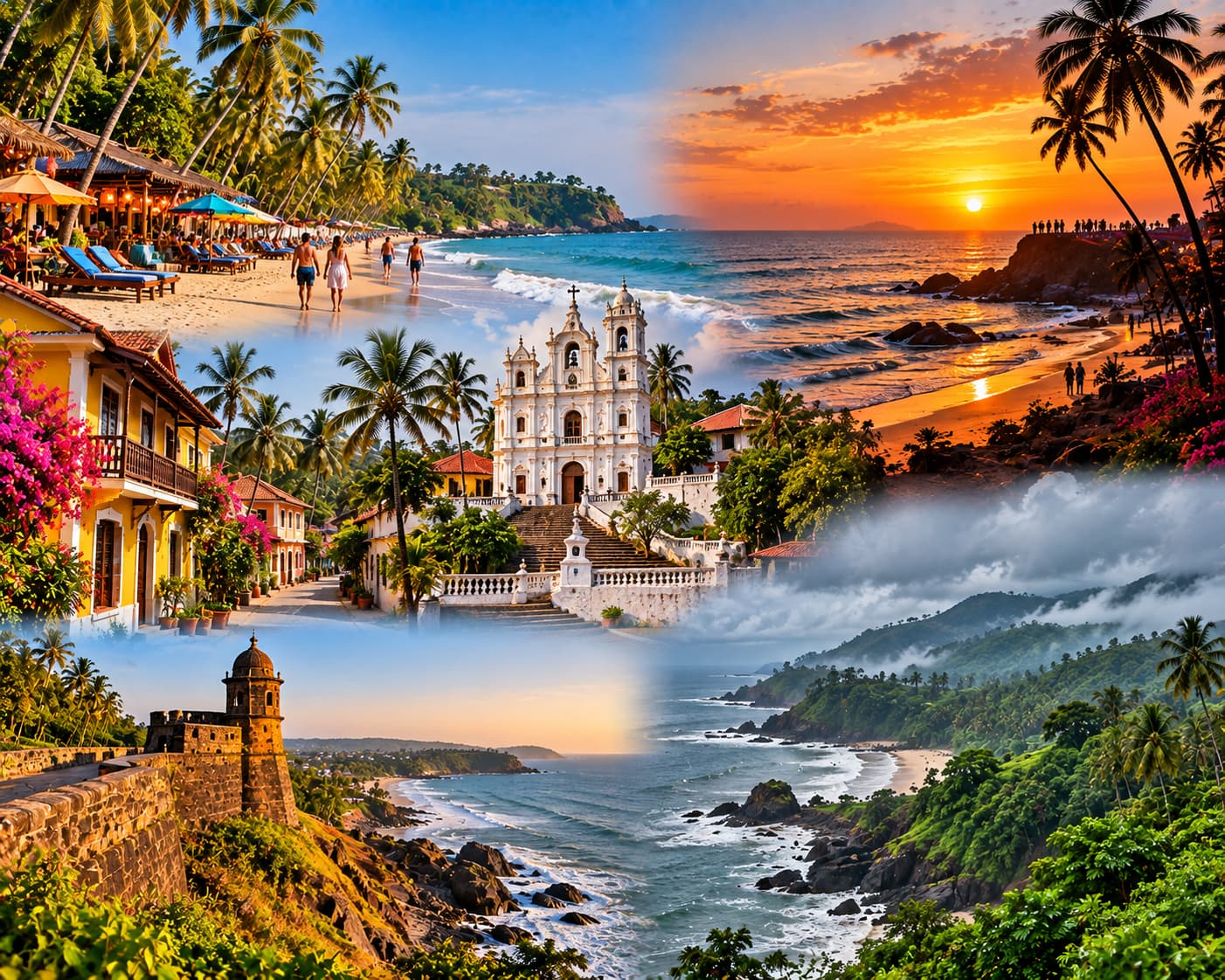
Goa's popular beach season generally falls during the drier winter months. December and January are particularly busy, so travellers who prefer a quieter atmosphere may consider the shoulder months.
Meanwhile, the monsoon gives Goa a greener and more atmospheric appearance, although rainfall can affect beach activities.
Best Time to Visit the Golden Triangle
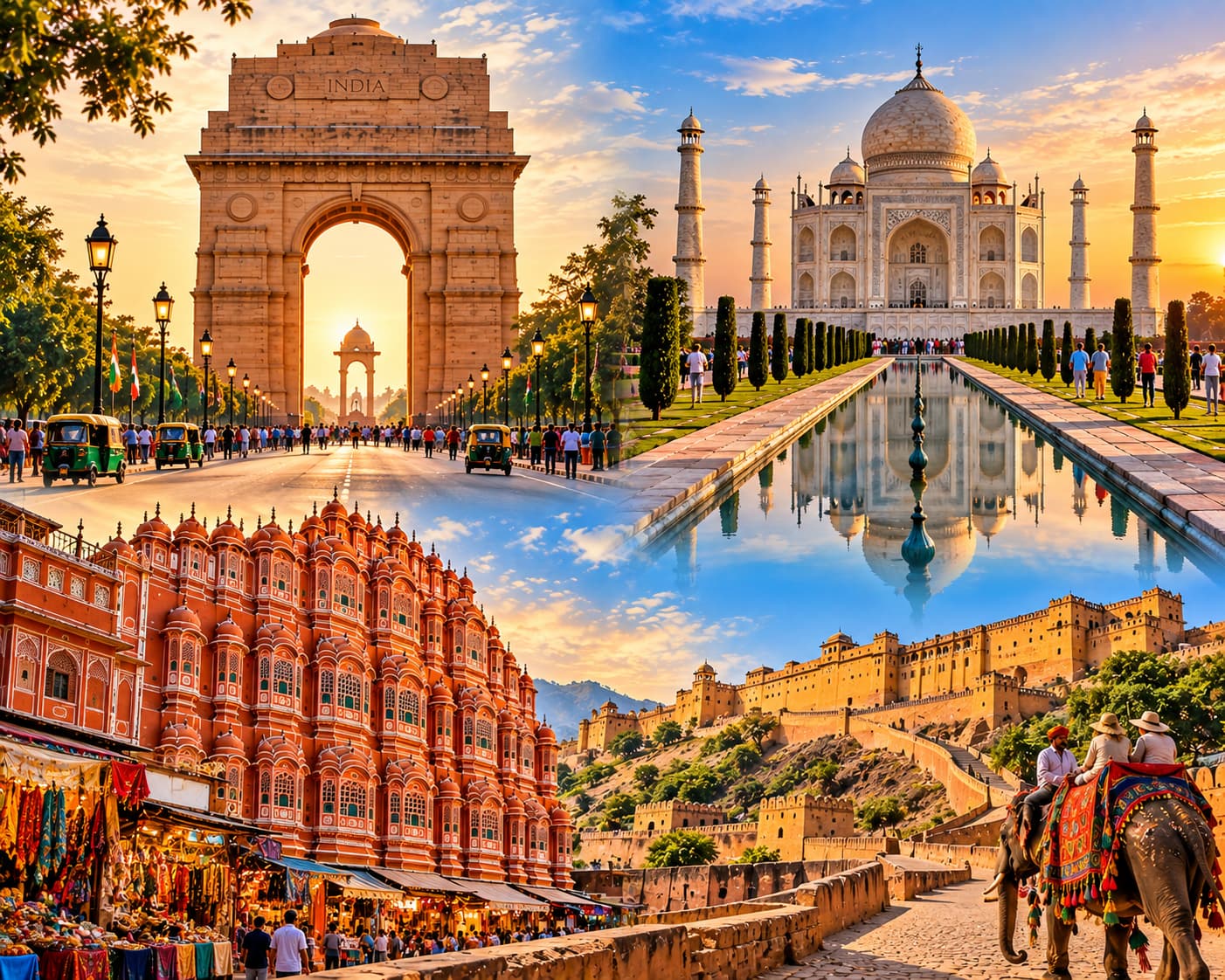
October to March is generally a comfortable period for exploring Delhi, Agra and Jaipur. These months allow travellers to spend more time outdoors without the extreme heat that can affect the region in late spring.
For first-time visitors, the Golden Triangle also works well as an introduction to India's history, architecture, food and culture.
Best Time to Visit Varanasi
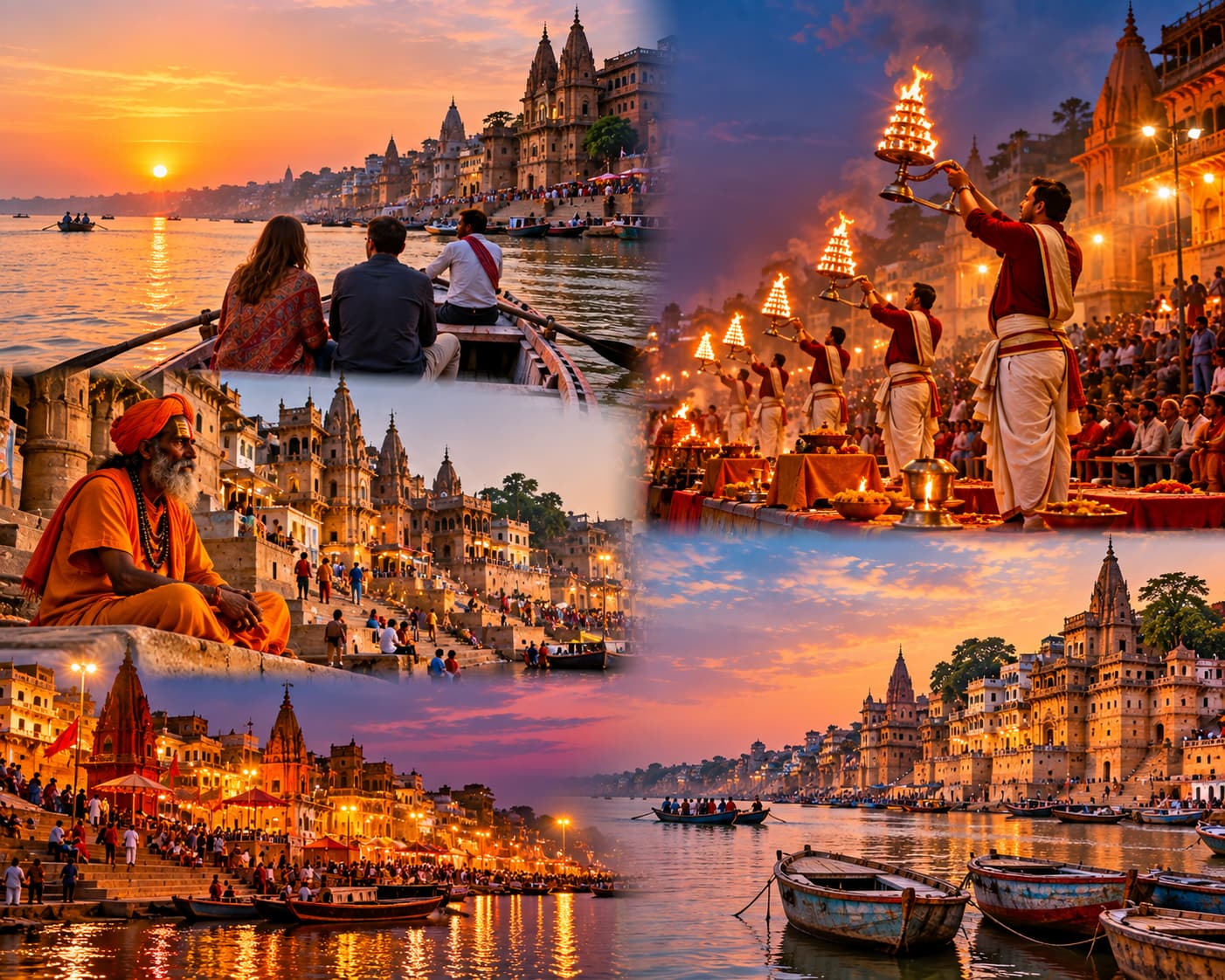
October to March is generally comfortable for exploring Varanasi. Cooler temperatures can make walking around the ghats and exploring the city's historic areas more enjoyable.
Additionally, the cooler season can make early-morning boat rides and evening Ganga Aarti experiences more comfortable.
Best Time to Visit Ladakh
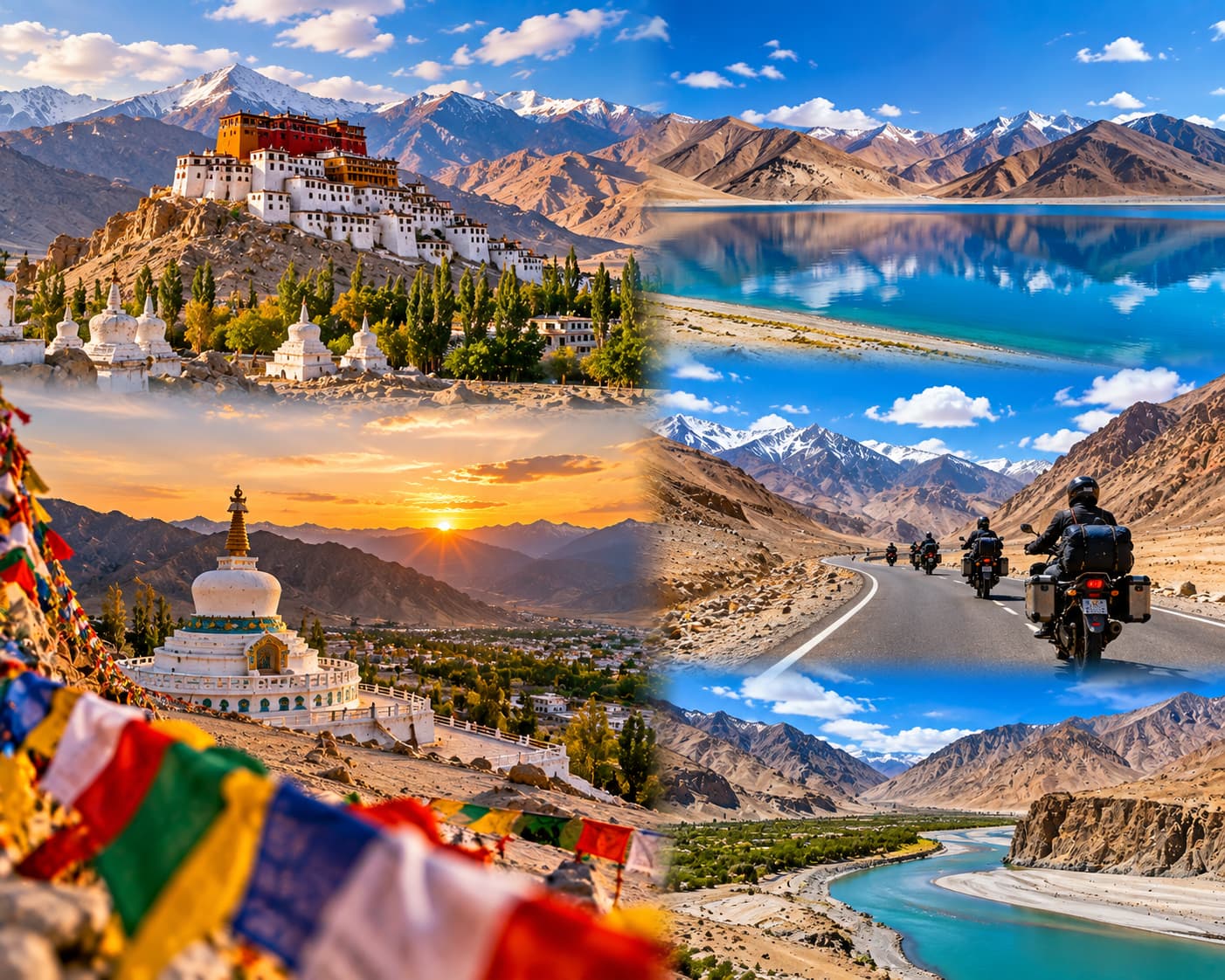
The main travel window for Ladakh generally falls during the warmer months, particularly from late spring through early autumn. Because weather can change quickly at high altitude, travellers should plan carefully and allow time for acclimatisation.
Unlike many parts of India, Ladakh remains relatively dry during the monsoon because of its location in the rain shadow of the Himalayas.
Best Time to Visit India for Festivals
India's festivals can transform an ordinary journey into a memorable cultural experience. However, many major festivals follow lunar calendars, so their dates change each year.
For example, Holi usually falls in March, Diwali often occurs in October or November, and the Pushkar Camel Fair generally takes place in November. Durga Puja typically takes place around September or October, while Onam usually falls between August and September.
For travellers interested in Indian culture, planning around a major festival can turn a sightseeing holiday into a much deeper cultural experience.
Plan Your India Journey With Great India Travel
Choosing the best time to visit India is only the first step. Your experience also depends on choosing the right destinations, travel pace, accommodation and local experiences.
At Great India Travel, we create thoughtfully planned India journeys for international travellers who want to experience the country comfortably and authentically. From the Golden Triangle and Rajasthan to Kerala, Varanasi and beyond, our itineraries can be shaped around your travel dates and interests.
Whether you are visiting India for the first time, travelling as a couple, planning a small-group journey or looking for deeper cultural experiences, we can help you build an itinerary that fits the season and the way you want to travel.
India is not just one destination, and there is no single perfect month for everyone. With the right planning, every season can reveal a different side of the country.
Your journey. Your India. Beautifully planned.