
Planning your first trip to India can be exciting, but choosing the right destinations can also feel overwhelming. India offers everything from historic cities and magnificent forts to tropical beaches, Himalayan landscapes, spiritual centres and diverse regional cuisines.
The good news? You do not need to see all of India on your first trip.Instead, choose a region or a combination of destinations that matches your interests, travel style and available time. For first-time visitors, destinations such as Delhi, Agra, Jaipur, Rajasthan, Kerala, Varanasi, Goa and the Himalayas offer very different ways to experience India.
Whether you want to discover India's famous heritage, experience local culture, relax in tropical landscapes or explore life beyond the major tourist routes, there is an Indian destination for you.In this guide, we explain where to go in India for your first trip and how to choose the right destinations for your journey.
If you are visiting India for the first time and want to experience its famous landmarks, the Golden Triangle of Delhi, Agra and Jaipur is one of the most straightforward places to begin.
The route connects three destinations, each with a different character.
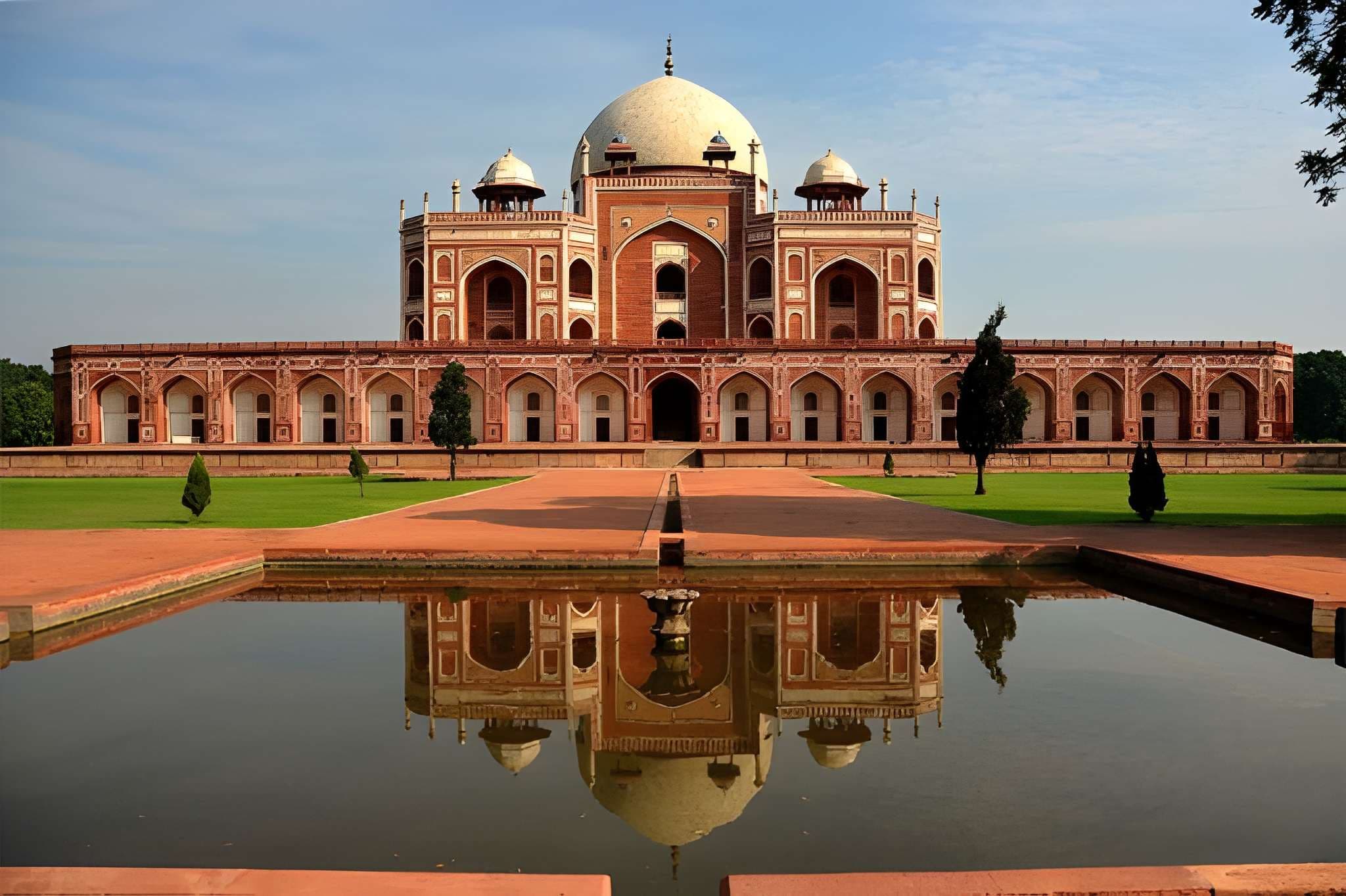
Delhi – India's Historic Capital
Start your journey in Delhi, where old and new India meet.
Explore historic monuments, colourful markets, grand avenues, traditional neighbourhoods and contemporary cafes. The city also introduces you to India's incredible food culture.
Delhi works particularly well as the starting point because you can experience several sides of India before travelling onward.
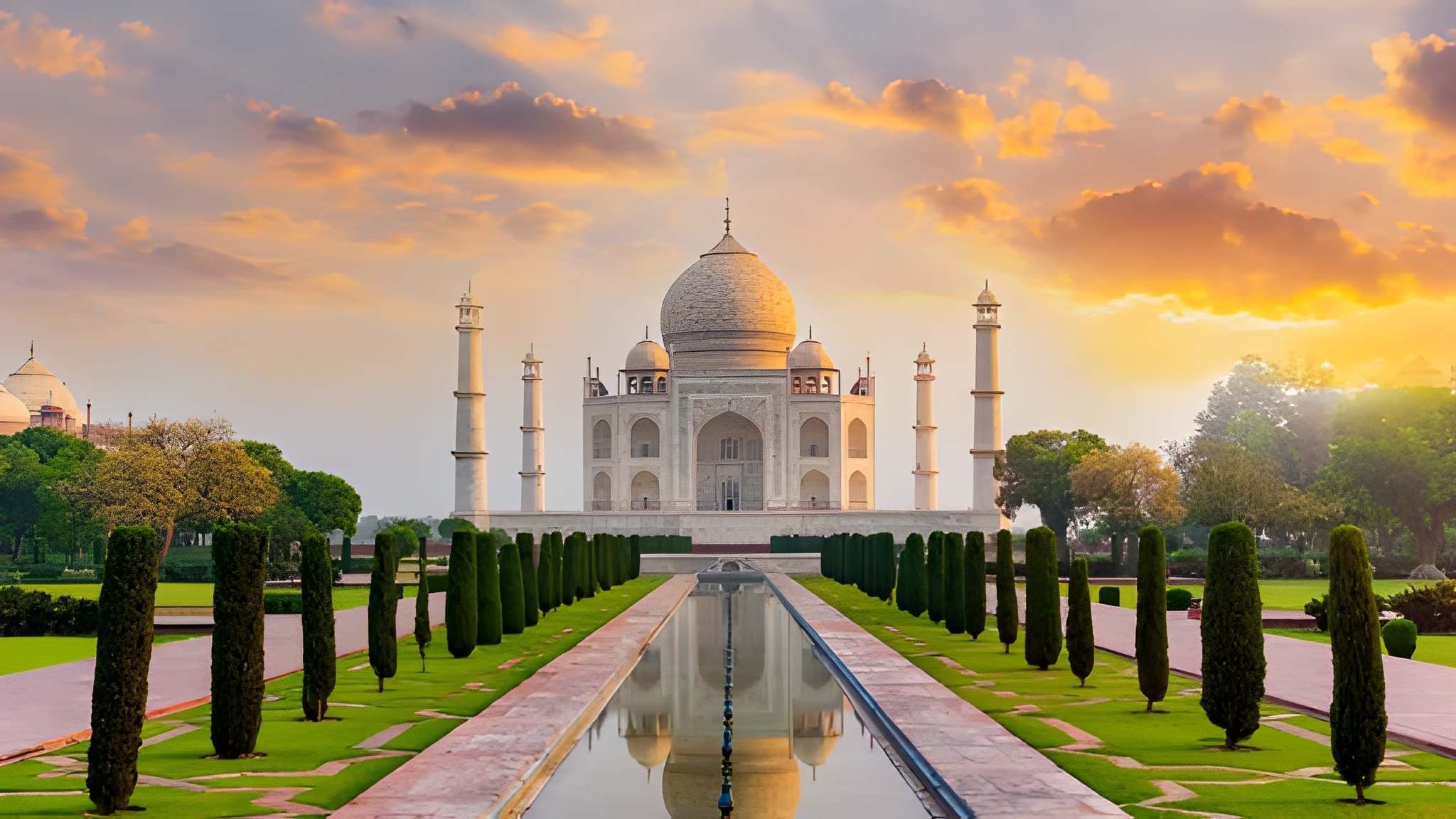
Agra – Home of the Taj Mahal
Next comes Agra, best known for the Taj Mahal.
The monument remains one of India's most recognisable sights, but Agra offers more than one landmark. The city's Mughal history, architecture and local markets add depth to the experience.
Agra – Home of the Taj Mahal
Jaipur brings Rajasthan's royal heritage into the journey.
Explore magnificent forts, palaces, colourful bazaars and traditional architecture. The city's distinctive culture also makes it an excellent introduction to Rajasthan.
Best for: First-time visitors, history, architecture, photography and culture.
If you want to experience India's royal past, Rajasthan deserves a place on your itinerary.
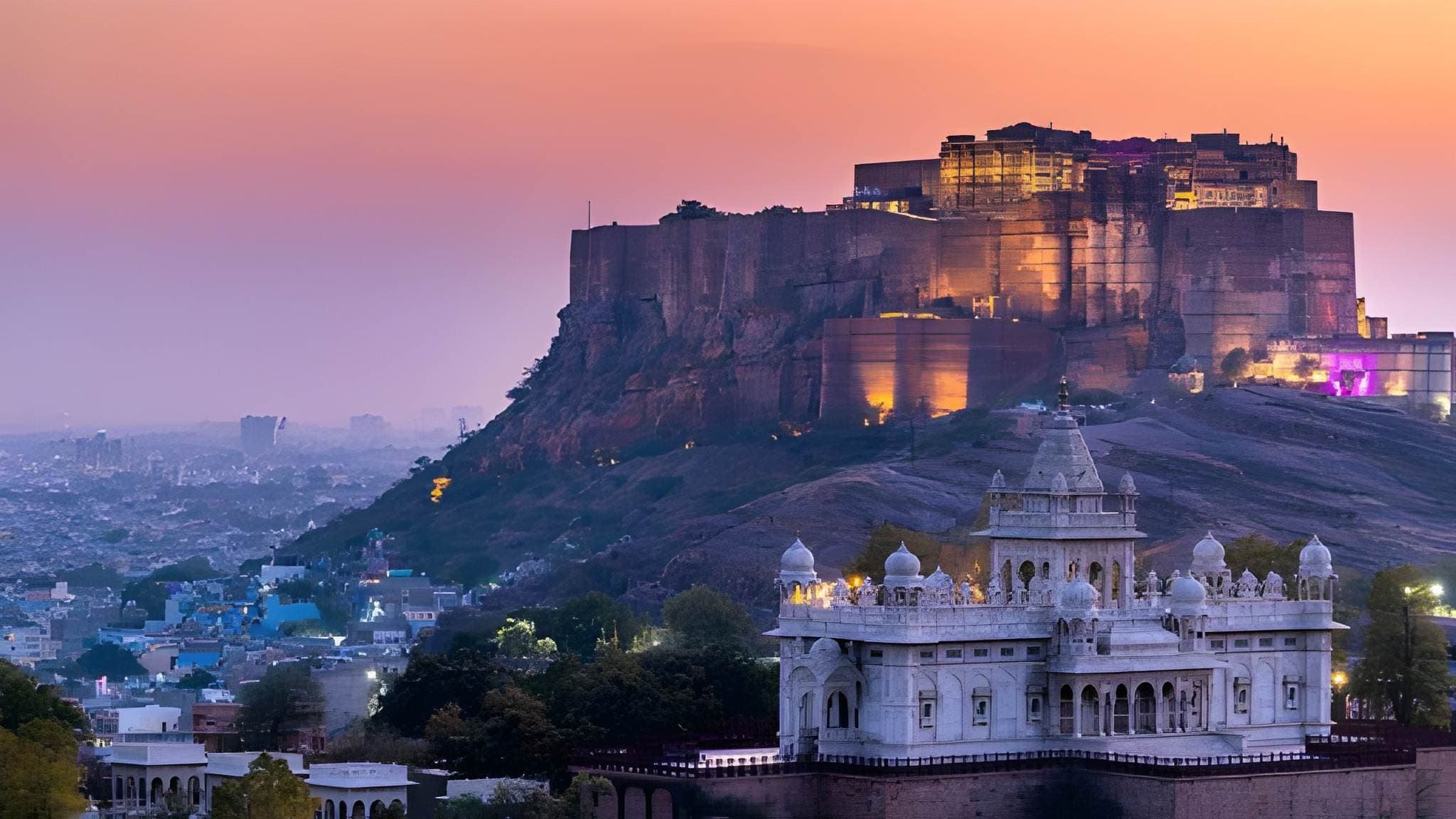
The state offers a fascinating combination of forts, palaces, desert landscapes, colourful markets, traditional crafts and historic cities.You can explore destinations such as Jaipur, Jodhpur, Udaipur, Pushkar, Jaisalmer, Bikaner. Each destination brings a different atmosphere.
Jodhpur is famous for its blue-painted old city and imposing Mehrangarh Fort.
Udaipur offers lakes, palaces and a more relaxed atmosphere.
Pushkar provides a glimpse into India's spiritual traditions and colourful local life.
Jaisalmer introduces travellers to the dramatic landscapes of the Thar Desert.
For travellers who want culture, history, architecture and local experiences, Rajasthan can turn a first trip to India into a deeper cultural journey.
Looking for a different side of India?
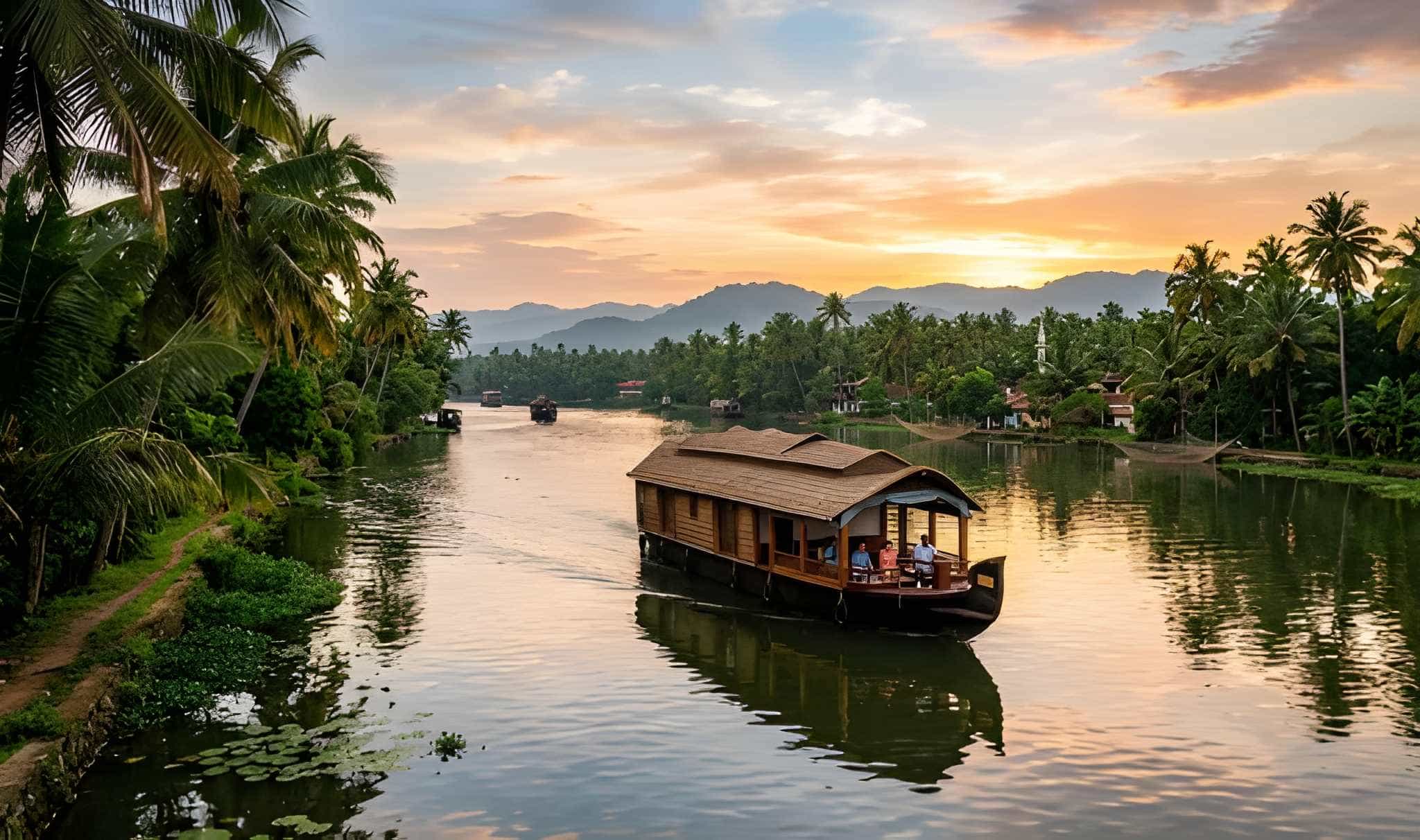
Head south to Kerala, a state known for its lush landscapes, backwaters, tropical scenery, tea plantations and distinctive food culture. A Kerala itinerary can include destinations such as Kochi, Munnar, Thekkady and Kumarakom or Alleppey.
Kochi combines historic streets and coastal culture. Munnar takes you into the Western Ghats and tea-growing landscapes. Thekkady offers forests and wildlife experiences, while the backwaters provide a slower way to experience rural Kerala.Kerala also works well after a busy North India itinerary.
After exploring cities, forts and monuments, you can slow down, enjoy nature and experience a quieter rhythm of travel. Best for: Nature, relaxation, food, landscapes, couples and travellers who prefer slower journeys.
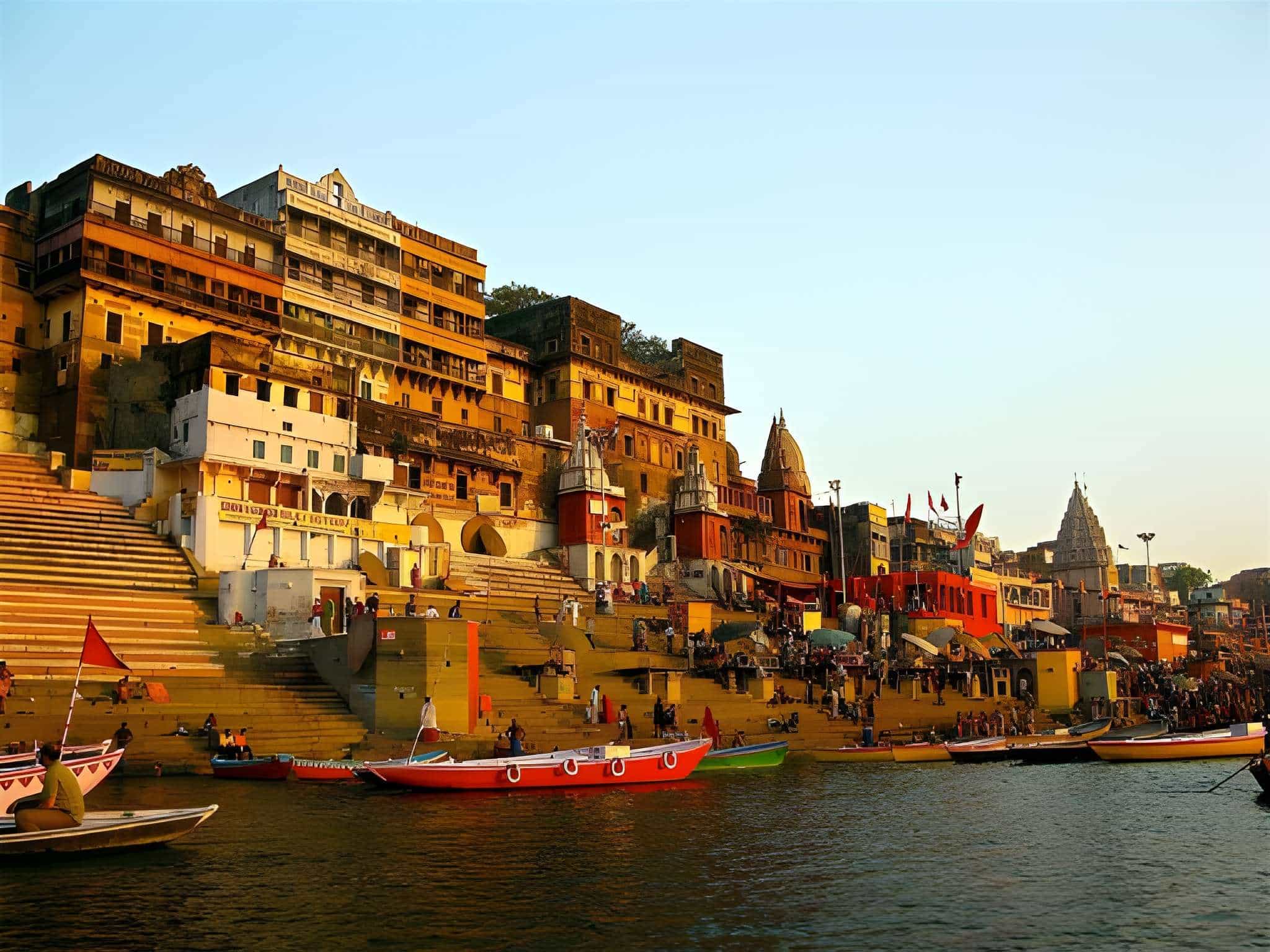
Few places provide an experience quite like Varanasi.
Located on the banks of the Ganges, the city has long held an important place in India's spiritual and cultural traditions. Walk through the ancient lanes, visit the ghats, take a boat ride on the Ganges and witness the evening Ganga Aarti.
Varanasi can feel intense and completely different from destinations such as Jaipur or Kerala. That contrast is precisely what makes it memorable. If your idea of an India holiday includes culture, spirituality, photography and authentic local experiences, consider adding Varanasi to your itinerary.
Best for: Culture, spirituality, photography and travellers looking for a deeper India experience.
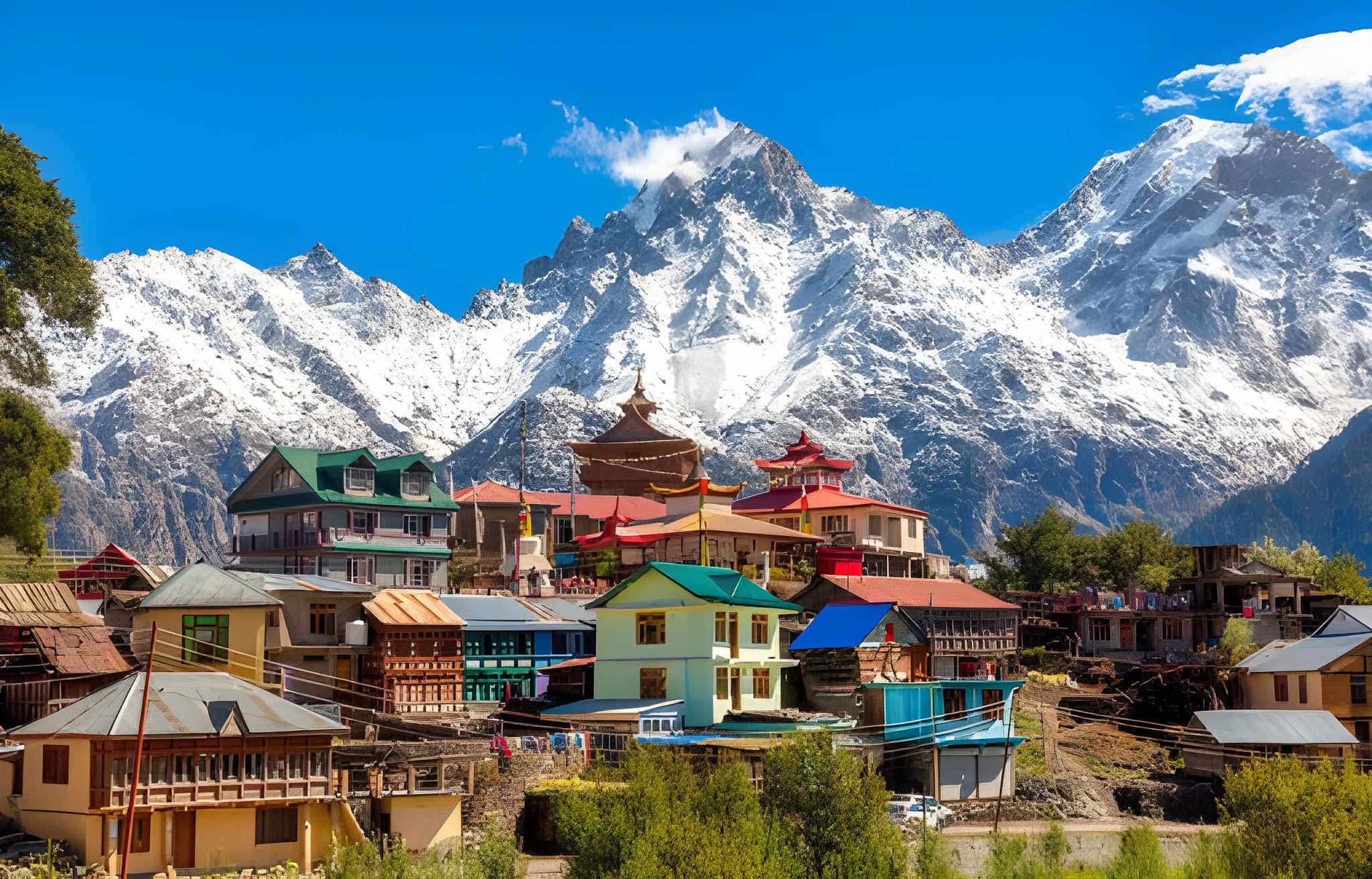
If mountains attract you more than monuments, India's northern Himalayan regions offer a completely different journey.
Depending on the season and your travel style, you can explore destinations across Himachal Pradesh, Uttarakhand, Ladakh and other Himalayan regions. Expect mountain villages, valleys, forests, monasteries, winding roads and spectacular landscapes.
However, the Himalayas require more careful planning than a standard Golden Triangle itinerary. Altitude, weather, road conditions and travel distances can affect your plans. Therefore, choose your Himalayan destination based on the season and the type of experience you want.
Best for: Mountains, photography, hiking, adventure and nature.
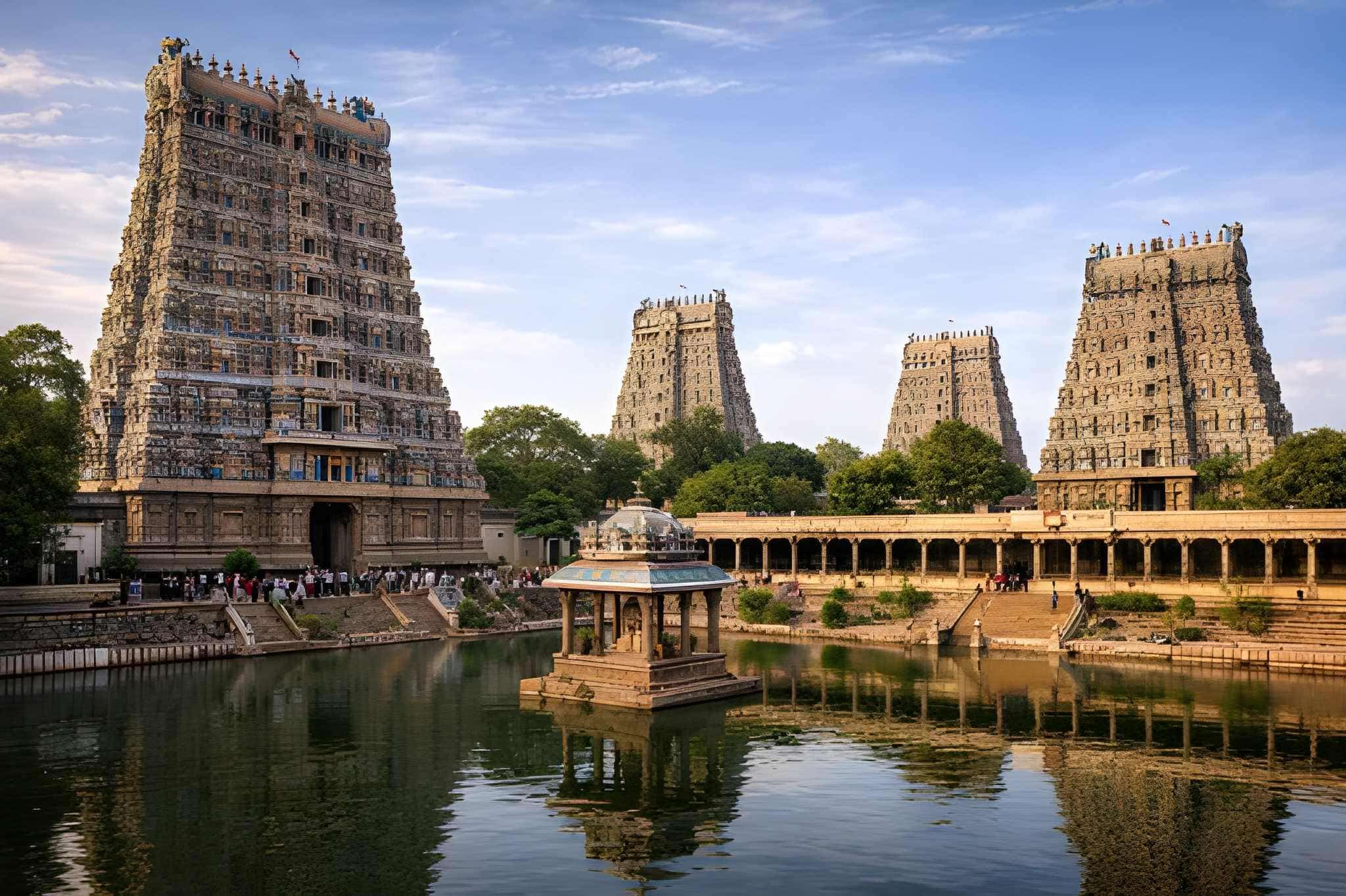
South India offers another fascinating introduction to the country.
Tamil Nadu, Kerala, Karnataka, Andhra Pradesh and Puducherry each have their own traditions, architecture, cuisine and landscapes. Tamil Nadu stands out for its magnificent temple architecture and rich cultural heritage. Puducherry combines Indian culture with French colonial influences, while Karnataka offers a mixture of historic sites, cities and natural landscapes.
Food also plays a major role in the South Indian experience. From dosa and idli to elaborate banana-leaf meals, regional cuisine can become one of the highlights of your journey.
Best for: Temples, architecture, food, history, culture and travellers who want to explore beyond India's classic routes.
When Is the Best Time to Visit India?
India has several climate zones, so the ideal travel season depends on where you plan to go.
For many popular North Indian destinations, the cooler months from October to March offer comfortable conditions for sightseeing.
Kerala and South India have different seasonal patterns, while Himalayan destinations require more specific planning.
Before booking your trip, check the climate of every region on your itinerary rather than relying on one nationwide travel season. This becomes particularly important when you combine North India, South India and the Himalayas in one trip.
India Is More Than Its Famous Landmarks
One of the biggest mistakes first-time visitors can make is treating India as a checklist of monuments.
The Taj Mahal is extraordinary. Rajasthan's forts are spectacular. Kerala's backwaters are beautiful.
But India becomes even more memorable when you experience the moments between the major attractions.Watch a morning unfold beside the Ganges.
Walk through a local market.
Try a regional dish.
Spend time in a small village.
Travel through changing landscapes.
Talk to local people.
Take a slower afternoon instead of rushing to the next attraction.
India is not one experience. It is many experiences connected together.That is why choosing the right region matters so much.
Plan Your First Trip to India with Great India Travel
Planning India for the first time can feel complicated, especially when you are travelling from overseas and want to combine multiple destinations without making the journey exhausting.
At Great India Travel, we create India journeys around your interests, travel style, available time and preferred pace.
From the Golden Triangle and Rajasthan to Kerala, Varanasi and destinations beyond the classic tourist routes, we help international travellers experience India with thoughtful planning and local insight.
Ready to plan your first India holiday? Explore India with Great India Travel and discover the places that fit your journey.